US strikes Iranian military targets for 10th consecutive night
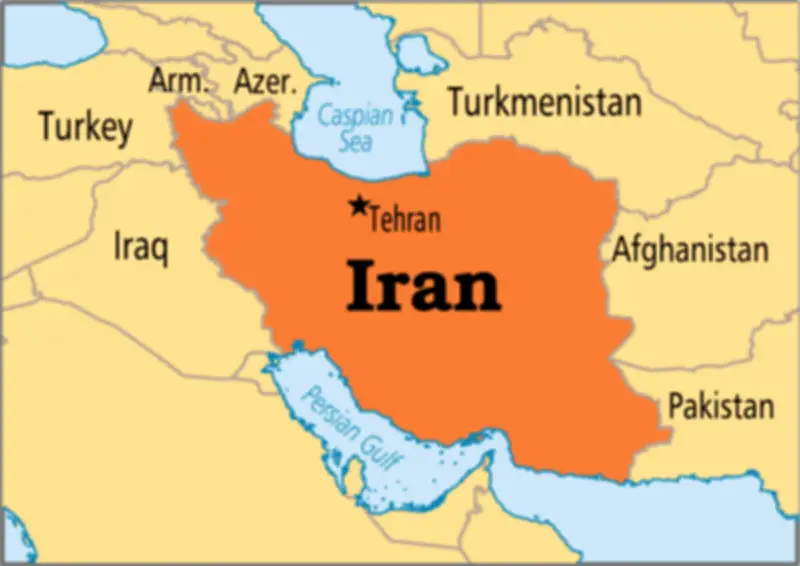
The United States continued its military campaign against Iran on Monday night, marking the 10th straight night of attacks. Explosions were reported in multiple locations across Iran, including near Sirik, Bandar Abbas, Qeshm Island, Chabahar, and Konarak. US Central Command (CENTCOM) stated in a post on X that it struck Iranian military command centers, maritime capabilities, missile and drone launch sites, and air defense systems. The campaign aims to degrade Iran's ability to attack commercial vessels in the Strait of Hormuz.
Commercial shipping continues amid strikes
Despite the ongoing strikes, CENTCOM emphasized that commercial vessels continue to transit through the vital international maritime corridor. Since early May, CENTCOM forces have facilitated the transit of approximately 900 commercial vessels and 450 million barrels of crude oil, according to a statement. However, Iran has dismissed US claims that vessels can pass freely through the Strait, insisting that ships must obtain Iranian approval to transit. Tehran has warned that alternative routes remain dangerous due to mines and other hazards.
Houthis announce maritime blockade on Saudi ships
The Houthi rebels, an Iranian-backed faction in Yemen, announced a maritime blockade on Saudi Arabian ships and threatened to open a new front in the war. The Houthis described the blockade as retaliation for an attack on Sanaa International Airport last week and the continuous blockade of the airport. Tensions escalated after the internationally recognized Yemeni government, backed by Saudi Arabia, bombed the runway at Sanaa airport to prevent an Iranian aircraft from landing. The plane was carrying a Houthi delegation returning from Iran. The Houthis responded by attacking a Saudi airport.
Yemen remains divided between rival authorities
Yemen remains split between the Iran-aligned Houthi rebels, who control the capital Sanaa and much of the north, including the Red Sea port of Hodeidah, and the internationally recognized government, backed by Saudi Arabia and other Gulf states, which operates from the southern coastal city of Aden. While it is unclear how the Houthis will implement the blockade, any disruption in the Strait of Hormuz could further destabilize the global energy market.
Iran retaliates across Gulf states
Iran has continued to carry out retaliatory strikes across Gulf states. According to Al Jazeera, the Islamic Revolutionary Guard Corps (IRGC) announced on Tuesday morning that it targeted major US installations in Bahrain and Kuwait. The IRGC described the US as terrorists who have disrupted security in the Middle East. Iranian President Masoud Pezeshkian previously stated that Iran considers itself engaged in a “full-scale war” with the US. Foreign ministry spokesperson Esmail Baghaei also said Iran is counting down to a US ground invasion on its territory, stating that state authorities are “counting down the minutes to welcome” US forces in any ground invasion.
Strait of Hormuz remains flashpoint
Ships that have passed through the Strait of Hormuz since the latest strikes began have done so through the Iranian part of the waterway, likely with Iran's permission, according to ship monitors. Iran views control of the Strait as its key leverage in the conflict with the US and has stated that the Strait will never return to being totally free as it was before the US invasion of Iran in February.