
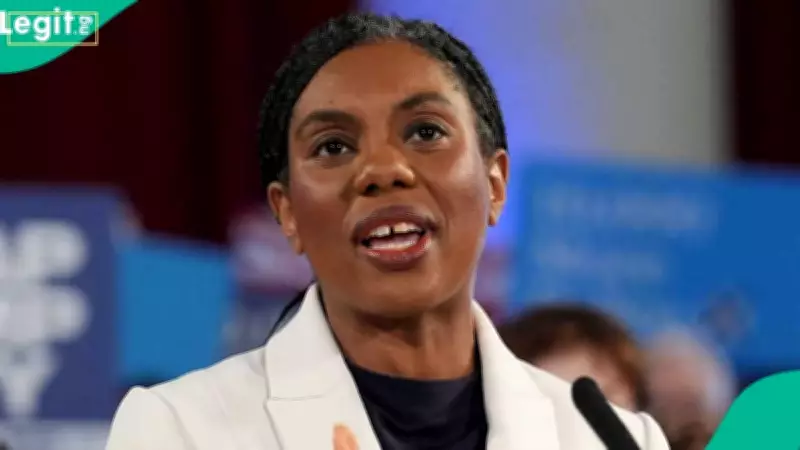
Conservative Leader Condemns UK's UN Abstention on Slavery Reparations
Kemi Badenoch, the leader of the United Kingdom's Conservative Party, has publicly criticized the British government for its decision to abstain from a recent United Nations resolution on slavery reparations. In a strongly worded statement, Badenoch asserted that Britain should have voted against the resolution, which she claims demands trillions of pounds from British taxpayers.
Resolution Details and International Response
The UN General Assembly passed the resolution, introduced by Ghana, which formally recognizes the transatlantic slave trade as the greatest crime against humanity in history. The resolution calls for the establishment of a reparations fund to address the historic damage caused by centuries of forced labor and systemic abuse, though it does not specify any monetary amount.
International voting patterns revealed significant divisions:
- 123 countries voted in favor of the resolution
- Only three nations – Argentina, Israel, and the United States – voted against it
- 52 countries, primarily European nations including Britain, Portugal, and Spain, chose to abstain
African nations, including Nigeria, overwhelmingly supported the resolution.
Badenoch's Controversial Position
In a social media post on platform X, Badenoch expressed her frustration with the UK government's decision: "Russia, China, and Iran vote with others to demand trillions in reparations from UK taxpayers…and the Labour government abstain! Why didn’t Starmer’s representative vote against this? Ignorance…or cowardice?"
The Conservative leader defended Britain's historical record, noting that the UK played a leading role in abolishing the slave trade during the 19th century. She argued that this historical context should exempt Britain from financial liability for reparations.
"Britain led the fight to end slavery," Badenoch stated. "We shouldn’t be paying for a crime we helped eradicate and still fight today."
Historical Context of the Transatlantic Slave Trade
The resolution addresses one of history's most devastating human rights violations. Historical records indicate that approximately 15 million Africans were forcibly transported across the Atlantic between the 15th and 19th centuries. Countless individuals perished during the treacherous Middle Passage, while survivors faced generations of forced labor and systematic oppression.
Badenoch's Personal Background and Previous Statements
Born in Wimbledon, London in 1980, Badenoch spent part of her childhood in Lagos, Nigeria, and later lived in the United States before returning to the UK at age sixteen. Her Nigerian heritage has been a subject of public discussion, particularly following her previous comments about her relationship with Nigeria.
The Conservative leader has made controversial statements regarding her Nigerian identity, including describing herself as "Yoruba, not Nigerian" and expressing that she has "nothing in common with the people from the north of the country." She has also noted that she hasn't held a Nigerian passport for two decades, though she maintains an interest in Nigerian affairs.
Badenoch's unique perspective – as both a British political leader and someone with Nigerian heritage – adds complexity to her position on this international issue involving former colonial powers and African nations.




