
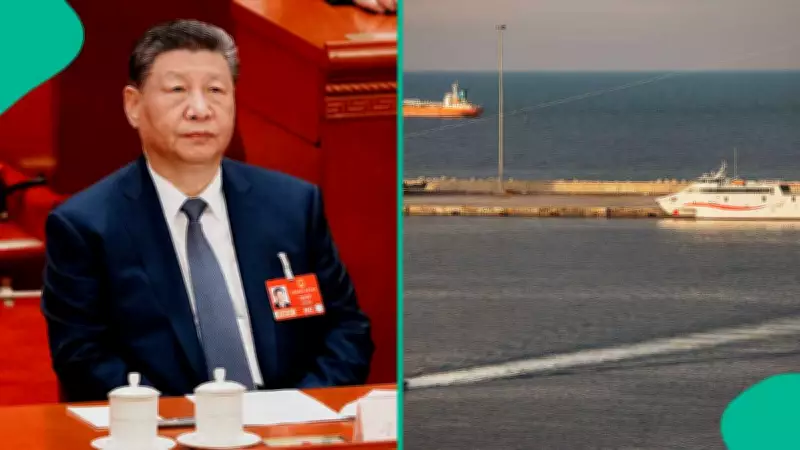
Chinese Vessels Successfully Navigate Strait of Hormuz Amid Regional Conflict
China has officially confirmed that three of its commercial ships have successfully passed through the strategically vital Strait of Hormuz, marking a significant development in global maritime trade amid ongoing regional hostilities. This passage represents the first container vessels to exit the Persian Gulf since the commencement of the U.S.-Israeli military conflict with Iran, which has severely disrupted one of the world's most critical energy supply routes.
First Container Ships to Exit Since Conflict Began
According to detailed ship-tracking data from MarineTraffic, two Chinese container vessels successfully crossed the strait on Monday following an earlier unsuccessful attempt on March 27. These vessels sailed in close formation into open waters, with data analyst Rebecca Gerdes from Kpler confirming that "both vessels successfully crossed on a second attempt today, marking the first container vessels to leave the Persian Gulf since the start of the conflict, excluding Iranian flag vessels." Both ships are now proceeding at elevated speed toward the Gulf of Oman.
The Chinese foreign ministry spokesperson Mao Ning addressed the situation during a daily press briefing, stating that "the Strait of Hormuz and the surrounding waters are an important route for global trade and energy supplies." She emphasized China's diplomatic position, calling for an immediate ceasefire, an end to the fighting, and restoration of peace and stability in the Gulf Region.
Global Trade Disruption and Energy Market Impact
The Strait of Hormuz has been effectively closed since February 28 when the U.S.-Israeli war with Iran began, creating substantial disruptions to global energy supplies. This critical waterway normally carries nearly one-fifth of the world's traded oil through the Gulf, and its closure has sent global oil prices soaring while halting energy exports including Saudi crude oil and Qatari liquefied natural gas.
The conflict has left hundreds of commercial vessels and approximately 20,000 seafarers stranded in the region. Iran has launched attacks on Gulf shipping and threatened further military action, creating a high-risk environment for maritime traffic despite some discussions about safe passage with neighboring countries.
Other International Shipping Movements
In addition to the Chinese vessels, other international shipping has cautiously resumed movement through the region:
- A Greek-operated oil tanker carrying Saudi crude recently exited the Gulf, marking the third crude tanker operated by Greek firm Dynacom to leave since the conflict began
- Two Indian-flagged liquefied petroleum gas (LPG) tankers crossed the strait on Saturday, following two others that carried critical cooking gas supplies to India in recent days
- The Maltese-flagged tanker Marathi began broadcasting its position off India's coast on March 26 after last reporting inside the Gulf on March 2
Shipping Companies Resume Operations
COSCO, the Chinese shipping group operating the vessels that successfully crossed, has not provided official comment on the specific passage. However, the company confirmed in a March 25 client advisory that it had resumed bookings for general cargo shipments from Asia to Gulf countries including:
- United Arab Emirates
- Saudi Arabia
- Bahrain
- Qatar
- Kuwait
- Iraq
This resumption of operations indicates cautious optimism among shipping companies despite the ongoing security threats in the region, which include floating mines, missiles, and drone attacks.
International Response and Diplomatic Efforts
The successful passage of Chinese and Greek vessels signals tentative movement in Gulf shipping lanes, though risks remain exceptionally high. The global energy market continues to monitor the situation closely for signs of stability in the Strait of Hormuz.
Former United States President Donald Trump has reportedly asked approximately seven countries to send warships to help reopen the vital waterway, with the United States engaging in discussions with nations dependent on Middle East crude to form a coalition to patrol the strait. These diplomatic efforts underscore the international significance of maintaining open maritime routes through this critical chokepoint for global trade and energy security.




