Iran Launches Drone Strikes on US Embassy in Saudi Arabia as Conflict Widens
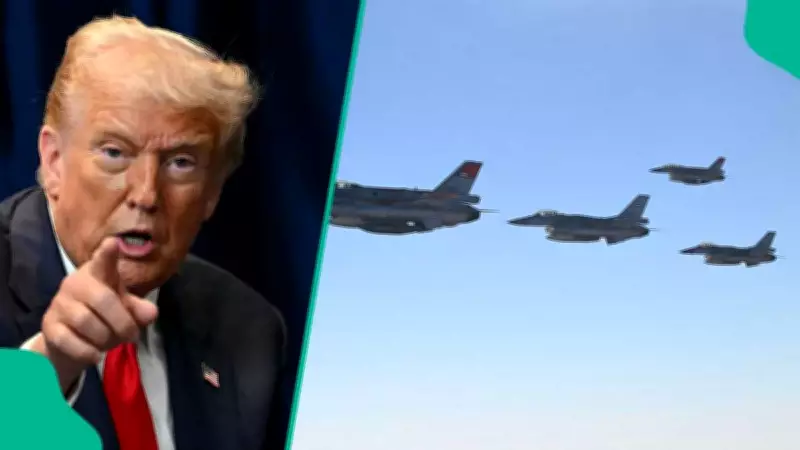
In a significant escalation of regional tensions, suspected Iranian drones targeted the United States Embassy in Riyadh, Saudi Arabia, on Tuesday, prompting a strong warning from former US President Donald Trump. The attack, which caused a limited fire and minor structural damage at the diplomatic compound, marks an expansion of Iran's retaliation amid ongoing hostilities that have disrupted energy supplies and prompted evacuations across the Middle East.
Trump's Vow of Retaliation and US Evacuations
President Donald Trump, in an interview with NewsNation, declared that Washington's response to the attacks would be unveiled "soon." He indicated that details of the US reaction, including measures related to American military personnel deaths in the conflict, would be disclosed shortly. Trump suggested that "boots on the ground" might not be necessary, but operations could last four to five weeks, with readiness for a longer engagement if required.
Meanwhile, the United States has begun evacuating non-emergency personnel from several Middle Eastern countries, including Kuwait, Bahrain, Iraq, Qatar, Jordan, and the United Arab Emirates. The US Embassy in Kuwait announced its closure until further notice following security threats, reflecting the heightened alert across the region.
Details of the Embassy Attack and Regional Fallout
Saudi Arabia's defence ministry confirmed that two drones struck the US Embassy compound in Riyadh, with no immediate casualties reported. This incident occurred as Iran widened its targets on the fourth day of escalating hostilities, striking American and Israeli-linked assets across the Gulf. The conflict has seen sustained US and Israeli airstrikes on Iranian military and nuclear facilities, including the reported killing of Iran's Supreme Leader, Ali Khamenei, in initial strikes—a development that has dramatically altered the conflict's trajectory.
Israeli Prime Minister Benjamin Netanyahu defended the operations as necessary to halt Iran's alleged underground efforts to rebuild atomic weapons capabilities, though Tehran denies pursuing nuclear weapons, insisting its program is peaceful. The International Atomic Energy Agency confirmed damage to Iran's Natanz enrichment facility but reported no expected radiological consequences.
Casualties and Expanding Military Engagements
According to the Iranian Red Crescent Society, at least 787 people have been killed in Iran, while Israeli authorities reported 11 fatalities from Iranian missile strikes. The US military confirmed six American service members have died since hostilities intensified, with additional civilian casualties in the United Arab Emirates, Kuwait, and Bahrain.
In Lebanon, the Iran-backed group Hezbollah fired missiles into Israel, prompting retaliatory Israeli airstrikes and the deployment of additional Israeli ground troops into southern Lebanon, further broadening the conflict's scope.
Economic Disruptions and Global Impact
The conflict has severely disrupted global energy markets, with Iran claiming the strategic Strait of Hormuz—through which roughly one-fifth of global oil shipments pass—had been closed, sending oil and gas prices sharply higher. Energy infrastructure in Qatar and Saudi Arabia has been targeted, while commercial assets, including data centres operated by Amazon in the UAE and Bahrain, were also struck.
Air travel and maritime shipping across the Gulf region have faced widespread interruptions, exacerbating economic instability. Analysts warn that with embassies targeted, energy routes threatened, and ground forces expanding, the spiralling conflict could prove protracted and destabilising for the wider Middle East.
Alleged Saudi Involvement and Diplomatic Tensions
Reports suggest that Mohammed bin Salman, the de facto ruler of Saudi Arabia, allegedly played a direct role in urging President Trump to strike Iran, leading to the killing of Supreme Leader Ali Khamenei. According to sources, the crown prince made multiple private phone calls to Trump over the past month, advocating for military action while publicly promoting diplomacy, warning that inaction would embolden Iran in the region.
As the situation unfolds, US objectives remain ambiguous, with senior officials stating that regime change is not the administration's official aim, despite Trump's initial calls for Iranians to overthrow their government. The targeting of diplomatic facilities and the expansion of military engagements underscore the high stakes and potential for prolonged conflict in the region.