Iran-Linked Attack Destroys Two Oil Tankers Near Iraq, Threatens Global Oil Supply
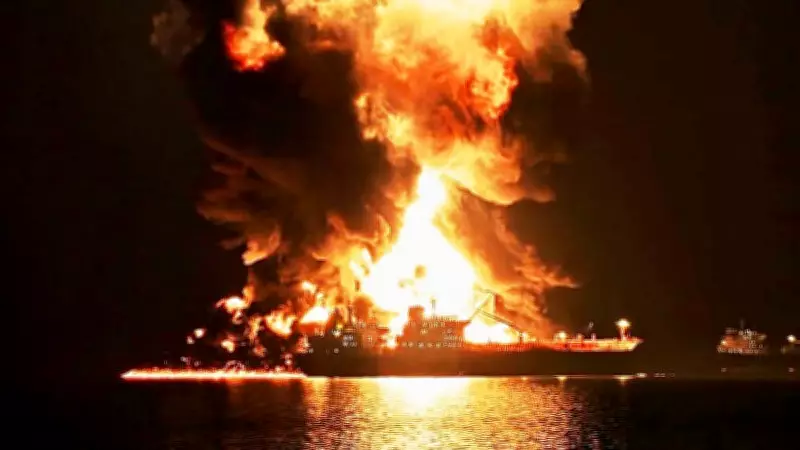
In a significant escalation of regional maritime conflict, two oil tankers were struck by explosives off the coast of Iraq in an attack authorities have linked to Iran. The incident, which occurred in the early hours of the morning, caused both vessels to burst into flames, resulting in one confirmed fatality and prompting a temporary halt to Iraqi port operations for oil imports and exports.
Details of the Maritime Assault
The Marshall Islands-flagged tankers, identified as the Safesea Vishnu and Zefyros, were hit around 1:30 a.m. local time by what the UK Maritime Trade Operations described as an "unknown projectile." Officials suspect the vessels were targeted by unmanned explosive boats, which function similarly to drones but operate on water. Iraqi media reports indicate that 38 crew members were successfully rescued, while one person lost their life in the attack.
Farhan al-Fartousi, head of the General Company for Ports of Iraq, confirmed that the tankers were carrying Iraqi fuel oil when they were struck inside Iraqi territorial waters near the southern port region. The attacks caused both ships to catch fire, leading to an immediate response from Iraqi authorities. Operations at ports involved in oil imports and exports were temporarily suspended, although container shipping facilities remain operational for commercial trade.
Regional Escalation and Broader Impact
This attack is part of a broader pattern of maritime aggression in the region. Overnight, another container vessel was hit off the coast of the United Arab Emirates and caught fire, though all crew members on that ship survived. These incidents have intensified tensions around the Strait of Hormuz, a narrow waterway linking the Persian Gulf to the Indian Ocean that is critical for global oil shipments.
Approximately one-fifth of the world's crude oil passes through the Strait of Hormuz, with around 80 oil and gas tankers crossing daily. Earlier in the week, the United States reported destroying ten Iranian boats allegedly deploying naval mines in this shipping corridor. Iran, which has long asserted control over the waterway, is believed to possess thousands of naval mines that can be deployed from small boats, submarines, or disguised civilian vessels.
Economic Repercussions and Market Reactions
Following the attacks, a spokesperson for Iran's military command issued a stark warning, suggesting that global oil prices could surge dramatically if regional security continues to deteriorate. The spokesperson stated that crude oil could potentially reach $200 per barrel, highlighting the severe economic implications of the ongoing conflict.
The crisis has already rattled energy markets, prompting significant interventions. The International Energy Agency announced a record 400 million-barrel release from strategic reserves in an effort to stabilize oil supplies. The United Kingdom government contributed 13.5 million barrels from its own reserves to this emergency release. Meanwhile, Brent crude prices rose approximately 3.5 percent to $90.87 per barrel, though they remain below the peak levels seen earlier in the week as markets react to the rapidly evolving situation.
Global Response and Future Outlook
The destruction of these oil tankers underscores the fragile security environment in key maritime routes and raises concerns about potential disruptions to global energy supplies. With Iran's involvement suspected and regional tensions mounting, the international community is closely monitoring developments. The temporary halt in Iraqi oil port operations and the strategic reserve releases indicate the immediate economic impact, while the threat of further escalations looms large over the Strait of Hormuz and broader Persian Gulf region.