Iranian-American Woman Voices Complex Emotions Following Reports of Ali Khamenei's Death
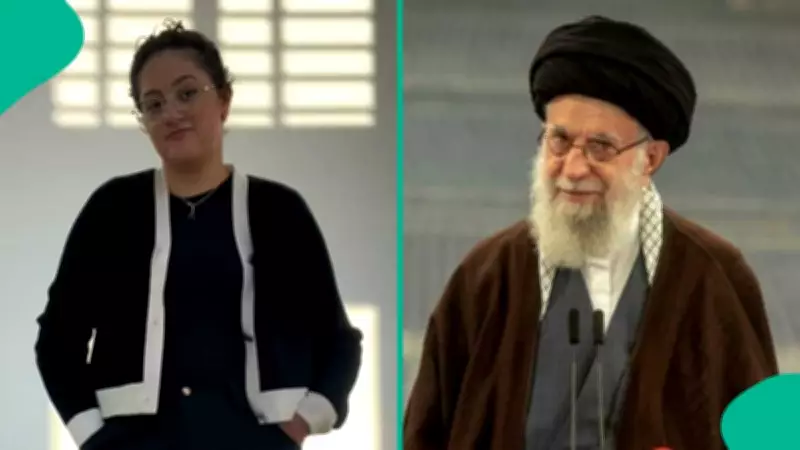
An Iranian-American woman has ignited significant online discussion after expressing deeply mixed feelings regarding the reported death of Iran's Supreme Leader, Ali Khamenei. The woman, who identifies herself on TikTok as @burntdownredlobster, described herself as a first-generation Iranian-American and utilized her social media platform to reflect on the profound emotional and political implications of this development.
Reports of Khamenei's Death in US-Israeli Airstrike
According to reports, Ali Khamenei, who had ruled Iran since 1989, was killed in a joint military operation conducted by the United States and Israel. The airstrike specifically targeted his compound located in Tehran, marking a dramatic escalation in international tensions. This event has triggered widespread reactions across global media platforms and among diaspora communities.
Mixed Reactions to the Supreme Leader's Reported Demise
In her emotional response, @burntdownredlobster acknowledged that numerous Iranians have harbored long-standing desires for the end of Khamenei's leadership, citing decades of alleged oppression and significant hardship experienced under the current Iranian regime. However, she presented a nuanced perspective that strongly rejected the notion that foreign military action by the United States and Israel should be interpreted as genuine liberation for the Iranian populace.
She articulated her position clearly: "But I think it's really easy to get caught up in celebrating that this horrific supreme leader is dead, but we also need to acknowledge where everything is coming from. We need to acknowledge that Trump is not going to liberate us."
According to her analysis, authentic freedom cannot be achieved through external intervention or military bombings. She argued that while some individuals might experience relief at the reported death of the leader, the broader geopolitical circumstances surrounding this development render the situation considerably more complicated and fraught with uncertainty.
Historical Context and Current Challenges
The Iranian-American content creator elaborated that prolonged Western involvement in Middle Eastern affairs has frequently contributed to regional instability rather than fostering genuine freedom and self-determination. She emphasized that many citizens inside Iran currently face severe government censorship and widespread internet blackouts, which significantly hinder their ability to freely express political opinions or access uncensored information.
This situation remains profoundly emotional for members of the Iranian diaspora, many of whom maintain personal connections or family histories deeply shaped by political unrest and persecution. The woman highlighted how these historical and personal contexts inform contemporary reactions to such geopolitical events.
Online Reactions and Broader Debate
The woman's remarks have stimulated vigorous online debate about United States foreign policy involvement and the future trajectory of Iran's political landscape. Various social media users have contributed diverse perspectives to this discussion:
- One commenter named Jewels stated: "Liberation does not come from US bombing IS a truth bomb."
- Another user named Jenny inquired about family safety, noting: "My best friend is from Iran and he can't get in touch with his family back there. He has an interesting perspective on all of this."
- Erayeck posed a critical question: "If the US intervening isn't good, what is a better strategy?"
- lill expressed solidarity: "As a Palestinian Iranian .. LOUDERRRR for the people in the back."
- Yogigal offered a contrasting view: "No change was ever going to happen without outside intervention. It's a sad reality."
Contrasting Perspectives and Official Statements
In related developments, another Iranian woman residing in the United States reacted to reports of the supreme leader's death by sharing a celebratory video online, illustrating the diverse spectrum of responses within diaspora communities. Meanwhile, former US President Donald Trump publicly announced Khamenei's death, characterizing it as justice for both Iranians and Americans impacted by his rule.
Trump further declared that military operations would continue and described the supreme leader's death as "the single greatest chance for the Iranian people to take back their country," adding that many Iranian soldiers have reportedly lost interest in continuing the conflict. These contrasting perspectives highlight the complex and multifaceted nature of international reactions to this significant geopolitical event.