Iran's Supreme Leader Held Extensive Diplomatic Engagements with African Counterparts Prior to Fatal Attack
Ayatollah Ali Khamenei, the Supreme Leader of Iran, conducted meetings with numerous African leaders throughout his leadership before his tragic death in a joint military strike by United States and Israeli forces. These diplomatic interactions were strategically focused on fostering bilateral cooperation and developing methods to reduce reliance on Western nations, according to verified reports from reliable sources.
Detailed Documentation of High-Level Meetings Across the African Continent
Africa View Facts, a reputable analytical platform, has confirmed that the late Iranian leader engaged with no fewer than ten African heads of state and government. The comprehensive list of these documented meetings provides insight into Iran's foreign policy priorities in Africa over multiple years.
The recorded engagements include:
- Algeria - President Abdelaziz Bouteflika (meetings in 2008 and 2010)
- South Africa - President Jacob Zuma (2016)
- Benin - President Boni Yayi (2012, who also served as African Union Chair)
- Burundi - President Pierre Nkurunziza (2013)
- Sudan - President Omar al-Bashir (2011)
- Zimbabwe - President Robert Mugabe (2006)
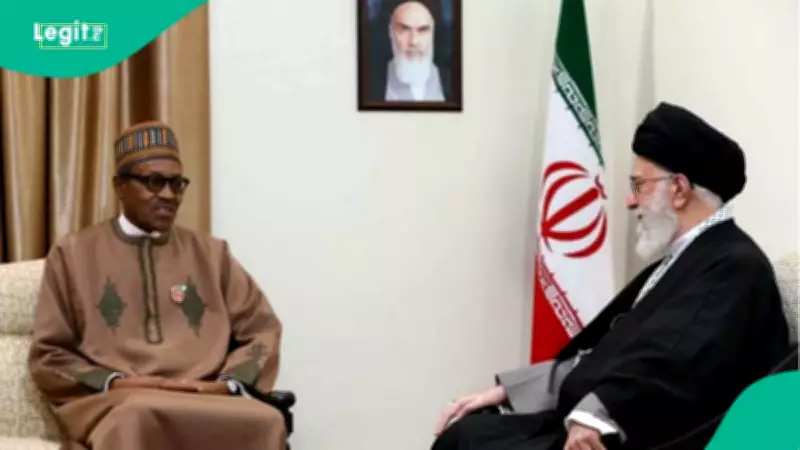
- Nigeria - President Muhammadu Buhari (2015)
- Ghana - President John Dramani Mahama (2016)
- Eritrea - President Isaias Afwerki (2008)
- Djibouti - President Ismail Omar Guelleh (2006)
International Reactions and Regional Fallout Following the Supreme Leader's Death
The confirmation of Khamenei's death has triggered significant international responses and regional instability. In Iran, authorities have declared forty days of official mourning to honor the deceased leader. Tragically, family members including his daughter and grandson were also reportedly killed during the same military attack that claimed Khamenei's life.
Protests have erupted in Baghdad, where demonstrators confronted security forces amid escalating tensions following news of the Supreme Leader's demise. The situation remains volatile across the Middle East as political and religious circles worldwide continue to react to this development.
Notable Nigerian Perspectives on the Geopolitical Event
Kaduna-based Islamic scholar Ahmad Gumi offered a distinctive perspective on Khamenei's death, describing the late Iranian leader as "a lucky soul" who died in what he characterized as "jihad" while defending oppressed populations. Gumi's comments have contributed to the diverse international reactions emerging from political and religious communities globally.
The Nigerian government has issued an official response through its Ministry of Foreign Affairs, confirming that authorities are closely monitoring developments in the Middle East following the joint military action against Iran. Spokesperson Kimiebi Imomotimi Ebienfa signed a statement outlining precautionary measures for Nigerian citizens residing in Iran and neighboring Gulf countries including Saudi Arabia, Kuwait, and Dubai.
The advisory specifically urges Nigerians in affected regions to maintain heightened alertness, avoid proximity to sensitive government installations and military bases that might become conflict targets, limit non-essential movement, and refrain from participating in public gatherings or demonstrations until security conditions improve substantially.
These diplomatic engagements between Iran and African nations, now highlighted following Khamenei's death, underscore the complex geopolitical relationships that have developed between the Islamic Republic and various African states seeking to diversify their international partnerships and reduce Western influence in their domestic and foreign policies.