
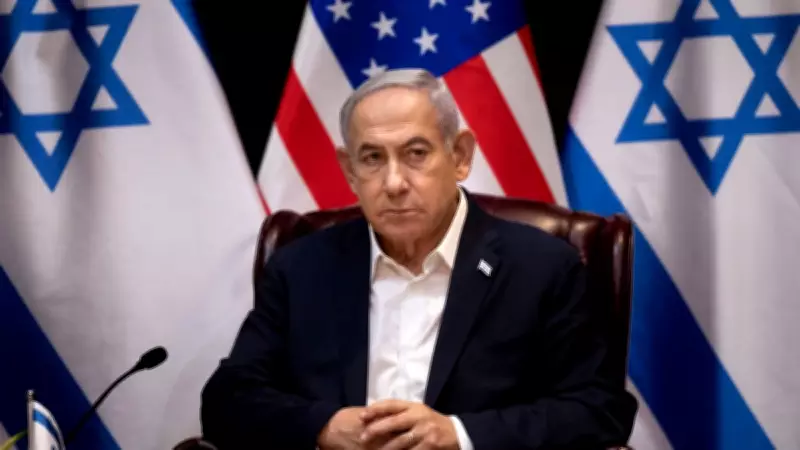
Israeli Prime Minister Benjamin Netanyahu is set to engage in crucial discussions with United States President Donald Trump this week, focusing on potential military options against Iran. This high-stakes meeting in Washington coincides with the resumption of talks between the United States and Tehran, as Israel actively prepares contingency plans should these diplomatic efforts falter.
Israel's Skepticism and Security Demands
Israeli officials have expressed profound skepticism regarding the likelihood of success in the emerging US-Iran negotiations. Jerusalem is actively seeking firm assurances that its security interests will be robustly protected throughout any diplomatic process. Netanyahu is particularly focused on preserving Israel's autonomy to take military action independently, regardless of any future agreement that may be reached between Washington and Tehran.
Intelligence Assessments on Iran's Capabilities
According to detailed reports, Netanyahu plans to present President Trump with updated and comprehensive intelligence assessments concerning Iran's military capabilities. A primary concern revolves around Tehran's concerted efforts to rebuild its ballistic missile arsenal following last year's brief but tense conflict. Israeli sources estimate that, without decisive intervention, Iran could potentially restore its missile stockpile to between 1,800 and 2,000 ballistic missiles within a matter of weeks or months.
It is important to note that these specific claims have not been independently verified by external sources. Iranian officials have consistently maintained that while Iran does not seek war, the nation remains fully prepared to defend itself if necessary.
Netanyahu's Stance Before the Meeting
Speaking prior to his departure for Washington, Netanyahu emphasized that Iran would be the absolute top priority in his discussions with President Trump. He described the Iranian issue as the most pressing and critical challenge facing both nations at this time.
"We will discuss a number of issues — Gaza, the region, but first and foremost, the negotiations with Iran," Netanyahu stated. "I will present our position on the principles that are essential not only for Israel's security, but for stability across the Middle East."
Background of High-Level Contacts
This pivotal meeting follows a series of intensive high-level contacts between Israeli and American security officials. Senior Israeli military and intelligence leaders recently conducted meetings at the Pentagon, while US envoys held discussions with Netanyahu and his top advisers in Jerusalem, underscoring the depth of coordination between the two allies.
Diverging Positions on a Potential Agreement
Israel has been vigorously advocating for any agreement with Iran to extend far beyond the nuclear issue alone. Jerusalem insists that Tehran must:
- Completely abandon uranium enrichment activities
- Dismantle its existing stockpile of enriched uranium
- Impose strict limits on its ballistic missile program
- End all support for regional proxy groups across the Middle East
In contrast, Iran has maintained a firm position, stating it is only willing to negotiate specifically over its nuclear program. Over the recent weekend, President Trump signaled a degree of flexibility on this point, suggesting that a nuclear-only deal could be acceptable, provided it includes ironclad provisions barring Iran from developing nuclear weapons.
Israeli Concerns and Worst-Case Scenarios
Israeli analysts have issued warnings that such a narrow, nuclear-focused agreement would represent Netanyahu's worst-case outcome. Some regional experts suggest the Israeli leader would strongly prefer one of two alternatives:
- Decisive US military action against Iran
- A comprehensive and sweeping deal that severely restricts Iran's broader military and defensive capabilities
Historical Context and Political Implications
Netanyahu has long been a vocal critic of the 2015 nuclear agreement reached under former US President Barack Obama. He argued that deal left Iran's conventional military power largely intact and permitted uranium enrichment activities to resume after certain time limits expired. A similar agreement under President Trump could place Netanyahu in a challenging political position domestically, given his historical opposition to such frameworks.
Tensions between Israel and Iran escalated significantly last year when Israeli strikes targeted Iranian military and nuclear facilities, disrupting ongoing US-Iran talks at that time. That confrontation ultimately concluded after President Trump intervened to halt further Israeli attacks, highlighting the complex interplay of diplomacy and military posturing in the region.




