Nigeria Formally Declares Bid for UN Human Rights Council Membership
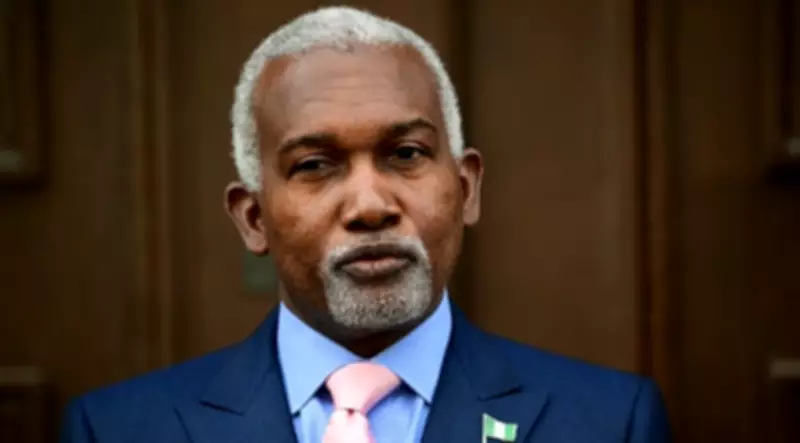
Nigeria has officially declared its candidacy for membership of the United Nations Human Rights Council (UNHRC) for the 2027–2029 term, marking a significant step in the nation's international diplomatic engagement. In a comprehensive video statement, Minister of Foreign Affairs Yusuf Tuggar emphasized the council's critical role as a platform for global dialogue, conflict prevention, and international cooperation on human rights issues.
Commitment to Global Human Rights Mechanisms
Minister Tuggar stated that Nigeria is fully prepared to collaborate with the council's established mechanisms, recognizing their essential function in promoting and protecting human rights worldwide. "The UN Human Rights Council represents a vital forum for advancing fundamental freedoms and dignity across nations," Tuggar declared, underscoring Nigeria's readiness to engage constructively with international partners.
Domestic Human Rights Strengthening Initiatives
The minister detailed specific measures being implemented by the federal government to enhance human rights protections within Nigeria's borders. These initiatives include:
- Substantial financing for safe schools programs
- Enhanced security measures in educational environments
- Comprehensive reforms to strengthen accountability frameworks
- Regional and international cooperation to integrate human rights standards into security operations
"While no nation can claim immunity from challenges, Nigeria's experiences have only strengthened our determination to safeguard the right to life and ensure security for all citizens," Tuggar asserted. "Particularly for our children, whose right to learn in safe conditions represents a sacred priority that we are committed to protecting."
Economic and Social Development Connections
Tuggar further connected human rights advancement to broader national development efforts, highlighting:
- Ongoing economic reforms aimed at creating sustainable growth
- Expanded social investment programs supporting vulnerable populations
- Development of Nigeria's digital economy to foster innovation and opportunity
- Climate adaptation strategies grounded in human rights principles
"Nigeria remains unwavering in its commitment to religious freedom and belief," the minister emphasized, describing peaceful coexistence among diverse faith communities as fundamental to national unity. "We are dedicated to building a society where every citizen, regardless of religious affiliation or ethnic background, receives equal protection under the shield of justice."
Historical Context and Regional Representation
Nigeria previously served on the UN Human Rights Council until 2020, following re-election for the 2018–2020 term. Council members are elected annually for three-year periods through a rotational system that ensures geographic representation. Recent elections have seen African nations including Angola, Egypt, Mauritius, and South Africa selected to serve for the 2026–2028 term, highlighting the continent's growing engagement with global human rights governance.
The bid announcement represents Nigeria's strategic effort to reclaim a position of influence within international human rights discourse while demonstrating tangible progress in domestic rights protection. Through this candidacy, Nigeria seeks to contribute its unique perspective and experiences to global conversations about human dignity, security, and sustainable development.