
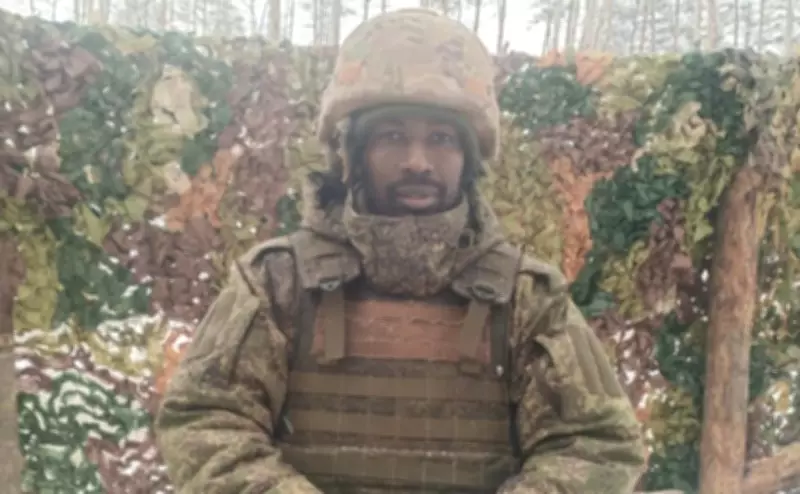
Nigerian Man Alleges Forced Recruitment into Russian Army, Appeals for Government Rescue
A Nigerian man, identified as Abubakar Adamu, has made a desperate appeal to the federal government to facilitate his return to Nigeria, alleging that he was misled into joining the Russian military under false pretenses. According to reports from Zagazola Makama, a counter-terrorism publication, Adamu's legal team has formally alerted Nigerian authorities about his dire situation, sparking concerns over the exploitation of African nationals in foreign conflicts.
Details of the Alleged Deception
Adamu's ordeal began when he travelled to Moscow on a tourist visa issued by the Russian Embassy in Abuja on October 16, 2025. He believed he had secured a civilian job as a sentry, but upon arrival, his passport and other travel documents were allegedly confiscated. His lawyers claim that he was then compelled to sign enlistment papers written entirely in Russian, without any translation or interpreter present. It was only after signing that he realised he had been enlisted into the Russian army, leaving him trapped and unable to return home.
Current Situation and Broader Context
Currently, Adamu is reported to be at a Russian military camp and has refused deployment to combat zones in Ukraine, which has left him stranded and vulnerable. This case emerges amid heightened scrutiny over reports that African nationals are being drawn into Russia's war effort under questionable circumstances. For instance, on Thursday, February 12, Ukraine's Defence Intelligence announced the recovery of the bodies of two Nigerians, Hamzat Kazeem Kolawole, 42, and Mbah Stephen Udoka, 38, in the Luhansk region. They allegedly died in late November 2025 while fighting for Russia, only months after joining the military.
Investigative Findings and Official Denials
A recent CNN investigation has shed light on similar cases, describing how individuals from countries such as Ghana, Nigeria, Kenya, and Uganda were allegedly enticed to Russia with promises of civilian jobs, including driving and security work. The report claims that some were instead forced into military service with minimal preparation before being sent to the front lines. In response to these allegations, Russian ambassador to Nigeria Andrey Podyelyshev denied any involvement by the Kremlin in such recruitment programmes, dismissing the claims earlier this week as unfounded.
This incident underscores the urgent need for international attention and action to protect vulnerable migrants from exploitation and ensure their safe return to their home countries.




