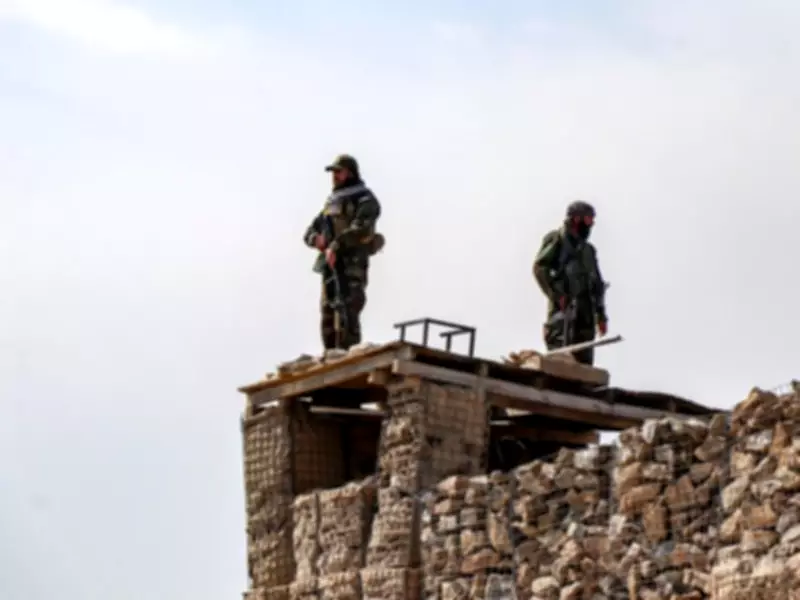
In a dramatic escalation of hostilities, Pakistan conducted extensive air strikes on major Afghan cities, including the capital Kabul, early on Friday, February 27. Islamabad's defense minister has declared that the two neighboring nations are now in a state of "open war," following months of intensifying border confrontations and failed diplomatic efforts.
Night of Bombardment and Explosions
Journalists stationed in Kabul and Kandahar reported hearing the distinct roar of fighter jets and multiple explosions throughout the night. Pakistani military forces targeted what officials described as Taliban defense positions, marking a significant shift in the conflict's scope. These latest strikes came in direct response to overnight fighting on Thursday, when Afghan forces reportedly attacked Pakistani border troops, retaliating against earlier air raids by Islamabad.
Root Causes of the Escalating Tensions
Tensions between Pakistan and Afghanistan have been steadily deteriorating over recent months. Key land crossings have remained largely closed since deadly confrontations in October, which resulted in more than 70 casualties on both sides. Pakistan has consistently accused Afghanistan's Taliban-led government of failing to control militant groups that launch attacks inside Pakistani territory, an allegation that Kabul vehemently denies.
Many of the recent attacks within Pakistan have been claimed by the Tehreek-e-Taliban Pakistan (TTP), a group that has significantly intensified its operations since the Taliban regained power in Afghanistan in 2021. This has created a volatile security environment, exacerbating cross-border hostilities.
Official Statements and Military Posturing
Pakistan's Information Minister, Attaullah Tarar, confirmed that Taliban defense targets were struck in Kabul, Paktia, and Kandahar provinces. Defense Minister Khawaja Asif characterized the situation as an "all-out confrontation," stating on social media, "Our patience has reached its limit. Now it is open war between you and us." Prime Minister Shehbaz Sharif later asserted that Pakistan's armed forces are fully capable of responding to what he termed aggressive actions by Afghanistan.
Analyst Perspectives and Regional Implications
Security analysts note that Pakistan appears to have broadened its targets beyond the TTP to include positions linked directly to the Taliban. This marks a significant escalation from previous cross-border exchanges, raising concerns about a prolonged military conflict between these historically volatile neighbors. The strikes have heightened fears of regional instability, with both nations already grappling with internal militant threats.
Failed Diplomacy and International Mediation Efforts
Earlier ceasefire attempts, brokered by Qatar and Turkey, proved unsuccessful in de-escalating the situation. More recently, Saudi Arabia intervened to mediate the release of three Pakistani soldiers captured during prior clashes. On Friday, Saudi Foreign Minister Faisal bin Farhan Al Saud held discussions with Pakistan's Foreign Minister Ishaq Dar, according to official statements from Riyadh.
Iran, which shares borders with both Pakistan and Afghanistan, has offered to facilitate dialogue to prevent further escalation. However, the effectiveness of these diplomatic initiatives remains uncertain amid the current military hostilities.
Casualty Reports and Conflicting Claims
The Taliban government confirmed the air strikes but reported no casualties from the bombardment. In contrast, Afghanistan's defense ministry stated that eight of its soldiers were killed during land operations along the border. Local officials in Nangarhar province disclosed that several civilians were wounded when a mortar shell struck a camp near the Torkham crossing, which is used by Afghans returning from Pakistan. One woman was reported to be in critical condition.
Both militaries have made conflicting claims about inflicting heavy losses on the other. Taliban spokesman Zabihullah Mujahid asserted that several Pakistani soldiers had been captured alive, a claim that Islamabad has denied. This latest violence follows Pakistani air strikes earlier in the week in Nangarhar and Paktika provinces, which the UN mission in Afghanistan said killed at least 13 civilians.
Broader Security Context and Civilian Impact
Beyond the immediate border clashes, both countries have experienced a wave of deadly militant attacks. Recent incidents include a bombing at a Shiite mosque in Islamabad that killed dozens, claimed by the Islamic State group. Its regional affiliate, Islamic State–Khorasan, has also carried out attacks in Kabul, adding another layer of complexity to the security landscape.
Despite the overnight bombardment, security presence in Kabul appeared largely unchanged by Friday morning. However, residents described a tense and uneasy calm as Ramadan prayers continued, reflecting the pervasive anxiety among the civilian population.
Prospects for De-escalation and Future Stability
The sharp escalation raises serious concerns about the potential for a prolonged military confrontation, which could destabilize the entire region. With diplomatic channels strained and both sides entrenched in their positions, the path to de-escalation appears challenging. The international community is closely monitoring the situation, urging restraint and a return to dialogue to prevent further loss of life and regional instability.