Global Tensions Rise: Safest Countries if World War Three Erupts
Fears of a wider global conflict are mounting as the United States and Israel intensify airstrikes on Iran, prompting retaliation from Tehran and raising concerns about the potential for a broader war. US President Donald Trump confirmed that American forces had launched major combat operations against Iran, with airstrikes reported across multiple cities. Iranian officials say they are responding with counterattacks against regional targets.
Iran’s Supreme Leader Ali Khamenei was reportedly the target of the initial US-Israeli strikes on Tehran, triggering a wave of retaliatory missile and drone launches. UK Prime Minister Keir Starmer, in a joint statement with the leaders of France and Germany, urged restraint and said Iran must refrain from indiscriminate military strikes.
Regional Conflicts and Global Implications
Meanwhile, as Russia continues its offensive in Ukraine, Volodymyr Zelensky suggested the conflict has already crossed a historic threshold. He told the BBC: I believe that Putin has already started it. The question is how much territory he will be able to seize and how to stop him. Russia wants to impose on the world a different way of life and change the lives people have chosen for themselves.
As tensions rise, analysts and commentators have speculated about which regions of the world might be least exposed in the event of a global conflict.
Potential Safe Havens in a Global War
Antarctica, the planet’s southernmost continent, is often cited due to its extreme remoteness and distance from nuclear-armed states. With more than 14 million square kilometres of landmass, it is geographically isolated, though its harsh climate would present significant survival challenges.
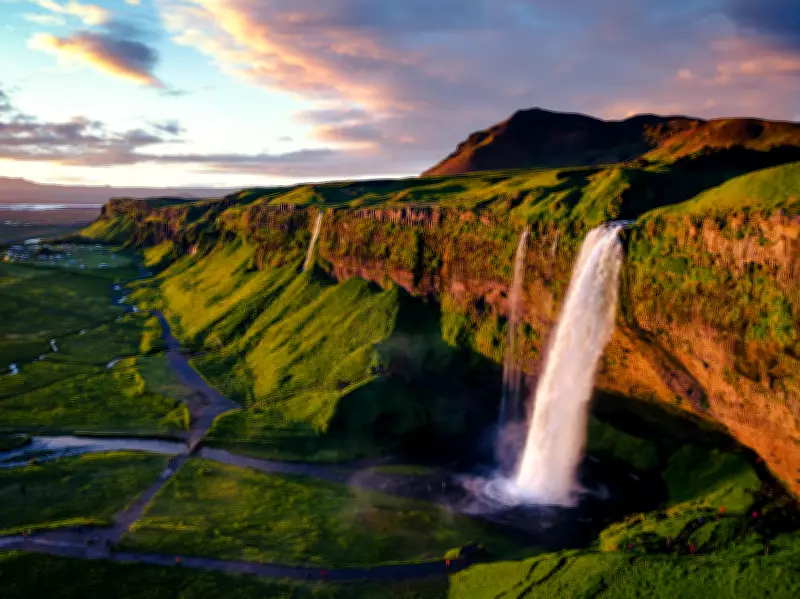
Iceland, which consistently ranks highly on the Global Peace Index, has never participated in a full-scale war or invasion. Its remote North Atlantic location could shield it from conventional European conflict, although nuclear fallout from the mainland could still reach its shores.
New Zealand, ranked second on the Global Peace Index, maintains a largely neutral stance in global conflicts. Its mountainous terrain and relative isolation in the South Pacific are frequently highlighted as factors that could enhance defensive resilience.
Switzerland, long associated with political neutrality, is protected by mountainous terrain, landlocked geography and extensive civil defence infrastructure, including nuclear shelters. The country has refrained from direct military involvement in recent conflicts.
Indonesia has traditionally pursued a free and active foreign policy, acting independently in international affairs and emphasising global peace.
Tuvalu, a small Pacific island nation located between Hawaii and Australia, has limited infrastructure and natural resources, making it an unlikely strategic target despite its vulnerability to climate change.
Argentina, which fought the Falklands War in 1982, is sometimes mentioned because of its agricultural capacity. Analysts note its significant wheat production could mitigate food shortages in the event of global supply chain disruptions.
Bhutan declared itself neutral in 1971 after joining the United Nations. Landlocked and surrounded by mountainous terrain, it has historically avoided entanglement in major conflicts.
Chile’s 4,000-mile coastline and diverse agricultural output, combined with comparatively advanced infrastructure within South America, are cited as potential advantages in a crisis scenario.
Fiji, located roughly 2,700 miles from Australia, ranks highly on the Global Peace Index. With dense forests and marine resources, it is geographically distant from major power blocs.
South Africa, with fertile land, fresh water supplies and modern infrastructure, is also occasionally referenced as a location with resources that could support population survival in prolonged instability.
Uncertainty and Calls for De-escalation
While experts stress that the prospect of a global war remains uncertain, the rapid escalation between major powers has reignited public anxiety about the scale and reach of modern conflict. Governments across Europe and beyond continue to call for de-escalation as military operations intensify across the Middle East and Eastern Europe.