
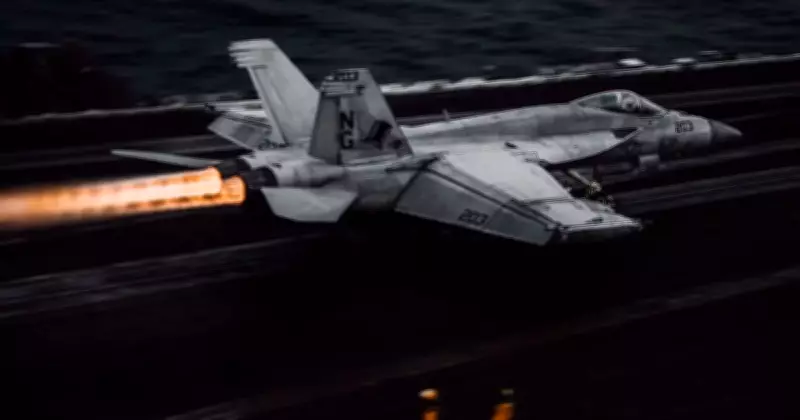
Spain and Italy Refuse U.S. Warplanes Access to Airspace and Bases for Iran Conflict Missions
Two major European allies have denied the United States access to their airspace and military facilities for operations linked to the ongoing Iran conflict, a move that is exposing growing divisions within the Western military alliance. According to reports, both Spain and Italy declined requests that would allow U.S. aircraft involved in the war to pass through their airspace or use key military bases.
Spain's Decision Blocks Strategic Military Installations
Officials in Spain announced that American warplanes participating in the conflict would not be allowed to fly through Spanish airspace or operate from Spanish military installations. The move effectively blocks the use of strategic bases such as the Rota naval base and Morón Air Base, which are jointly used by Spanish and American forces.
Spain's government has been openly critical of the military campaign against Iran and has argued that its territory should not be used for operations related to the war. This decision represents a significant departure from traditional cooperation between NATO allies and complicates logistical planning for the United States as it continues military operations in the Middle East.
Italy Follows Similar Restrictive Approach
Italy has taken a similar position, with authorities in Rome reportedly refusing permission for U.S. aircraft to use the Naval Air Station Sigonella in Sicily for missions linked to the conflict. The base is one of the United States' most important strategic facilities in the Mediterranean and has historically been used for surveillance and logistical operations across the Middle East and North Africa.
Italian officials said the restriction follows domestic legal procedures that require parliamentary approval before the country's territory can be used for direct combat operations. This legal framework has been invoked to prevent Italian involvement in the Iran conflict through indirect support mechanisms.
Growing Tensions Within NATO Alliance
The developments highlight increasing tension inside NATO, the military alliance that has traditionally presented a united front on major global security issues. Several European governments have faced political pressure at home to avoid involvement in the Iran war, with critics arguing that the conflict could destabilize the region and escalate into a wider confrontation.
The refusal by Spain and Italy has reportedly forced American military planners to reroute some flights and reconsider logistical arrangements for operations in the region. The disagreement also comes at a sensitive moment for the alliance as tensions continue to rise in the Middle East and energy markets remain volatile due to fears of disruption to global oil supplies.
Impact on U.S. Military Operations and Alliance Cohesion
While the United States continues its military campaign, the reluctance of key NATO members to provide operational support signals that the alliance may be facing one of its most serious internal disagreements in years. The denial of airspace and base access represents a tangible operational challenge for U.S. forces engaged in the Iran conflict.
The situation underscores broader questions about NATO unity and the willingness of European members to support American-led military initiatives in volatile regions. As the conflict continues, observers are watching closely to see whether other NATO members might follow the example set by Spain and Italy in restricting support for U.S. military operations.




