
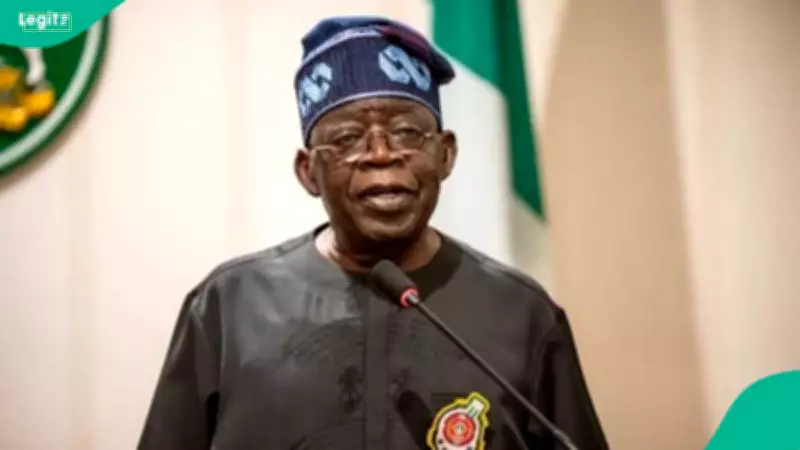
Tinubu's Ambassador Nominations Face International Hurdles as Host Countries Cite Short Tenure Concerns
President Bola Tinubu's recently nominated ambassadors are encountering significant diplomatic challenges as multiple host countries consider rejecting them due to the limited time remaining in his administration's current term. Officials within Nigeria's foreign service have revealed that securing formal consent, known as agrément, has become increasingly difficult with several nations insisting on minimum tenure requirements of one to two years for diplomatic appointments.
Diplomatic Protocol and Minimum Tenure Requirements
According to foreign service officials who spoke anonymously, many countries including India follow established diplomatic protocols that require ambassadors to serve for a minimum period. "The problem we have is that most countries will tell you that if an ambassador has less than one year or two, they may have issues," explained one senior official. "Usually, one year counts to the end of any current administration."
With Nigeria's next presidential election scheduled for February 2027 and Tinubu's first term concluding in May of that same year, host nations are reportedly hesitant to accept diplomatic envoys who might serve for less than twelve months. This situation creates a significant obstacle for Nigeria's Ministry of Foreign Affairs as they attempt to secure necessary approvals for the nominated ambassadors.
Delayed Nominations and Bureaucratic Challenges
The current diplomatic impasse stems from a prolonged delay in ambassadorial appointments. President Tinubu recalled ambassadors from 109 missions worldwide in September 2023, leaving Nigerian foreign missions without substantive heads for over two years. It was not until November 2025 that the President forwarded names of nominees to the Senate for confirmation.
The nomination process included:
- First batch of three nominees submitted on November 26, 2025
- Additional 32 names forwarded on November 29, 2025
- Postings confirmed for France, United States, and United Kingdom by January 22, 2026
Foreign service insiders have expressed concern that bureaucratic processes could further delay deployments. Ambassadors must complete mandatory retreats, collect personalized post reports, and await agrément from host countries. Some officials estimate that certain envoys might not commence their tours until August 2026, leaving them with barely nine months before Nigeria's next general elections.
International Response and Silent Rejections
Under Article 4 of the 1961 Vienna Convention on Diplomatic Relations, receiving states must grant formal consent before any ambassador can be accredited. However, the convention does not require host countries to provide reasons for refusal, meaning tenure-related concerns could lead to silent rejections without official explanation.
Officials noted that nominees were expected to be deployed to strategic nations including:
- China
- India
- United Arab Emirates
- Qatar
- South Africa
Additionally, appointments were anticipated for multilateral institutions such as the United Nations, UNESCO, and the African Union. The uncertainty surrounding these postings raises concerns about Nigeria's diplomatic representation during a critical period.
Expert Criticism and Historical Context
Former ambassador to Singapore, Ogbole Amedu-Ode, described host countries' concerns as pragmatic given Nigeria's electoral timeline. "The underlying word here is pragmatism," he noted. "Those receiving states are just being pragmatic if they take that view because the next round of general elections is in a year from now."
Amedu-Ode criticized the administration's delay in nominating ambassadors, calling it a significant misstep. "The mistake has been made by the current administration already because they shouldn't have waited two to three years into their term before nomination, screening, and deployment of heads of missions," he emphasized.
Minister of Foreign Affairs, Yusuf Tuggar, had previously attributed the delay in ambassadorial appointments to funding challenges, currency fluctuations, and the administration's focus on economic reforms. However, critics warn that continued vacancies in key diplomatic positions could leave Nigeria's foreign missions weakened and risk international isolation at a time when global engagement is particularly crucial.
Current Status and Future Implications
A Presidency source confirmed that the Ministry of Foreign Affairs is currently handling the agrément process and that official announcements will only be made after receiving countries grant their consent. "As far as I know, everything is now with the Ministry of Foreign Affairs," the source stated. "The President has given them approval to send names to the countries. It is when those countries accept that we will release a statement."
Another ministry official acknowledged the concerns among nominees while expressing commitment to expedite the process. "It's concerning to them too," the official admitted. "But we are working to see if we can fast-track it."
The situation presents a complex diplomatic challenge for Nigeria as the country seeks to maintain strong international relationships while navigating internal political timelines. The outcome of these diplomatic negotiations will significantly impact Nigeria's global standing and effectiveness in international affairs during the remaining period of the current administration.




