
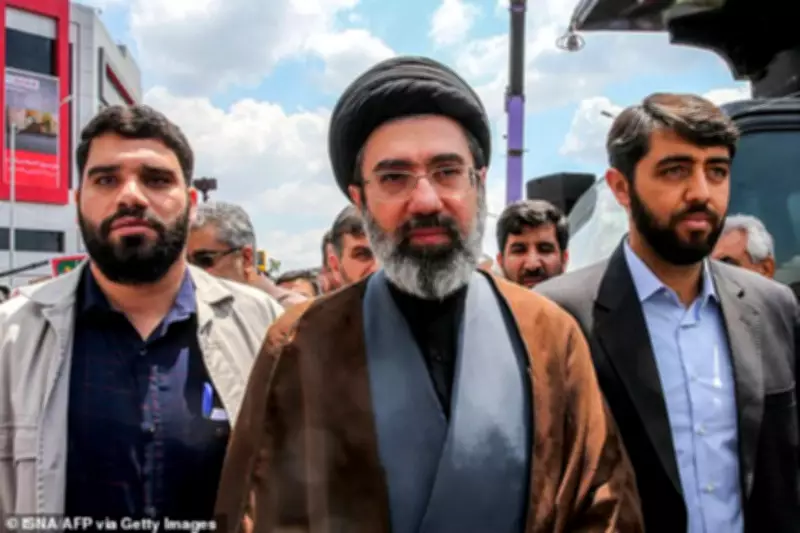
Trump Confirms CIA Briefing on Iran's New Supreme Leader Mojtaba Khamenei's Alleged Sexuality
Former US President Donald Trump has publicly confirmed that the Central Intelligence Agency (CIA) briefed him on intelligence suggesting Iran's new Supreme Leader, Mojtaba Khamenei, is gay. This revelation emerged during a recent interview, highlighting ongoing tensions between the US and Iranian leadership.
Intelligence Assessment and Trump's Comments
In an interview with Fox News, Trump was directly asked whether the CIA had made this assessment about Khamenei's sexuality. He responded, 'They did say that, but I don't know if it was only them. I think a lot of people are saying that, which puts [Khamenei] off to a bad start in that particular country.' This statement underscores the informal yet pointed nature of the intelligence sharing, as Trump did not specify the exact sources beyond the CIA.
Trump has previously expressed dismissive views toward Khamenei, labeling him a 'lightweight' and an 'unacceptable' choice to lead Iran. These remarks align with his broader critical stance on Iranian governance and its leadership transitions.
Background and Media Reports
Earlier this month, reports in the New York Post claimed that US intelligence believed Khamenei had been in a long-term relationship with a male childhood tutor. While US intelligence agencies lack photographic evidence to substantiate these claims, sources indicate the information is considered credible at the highest levels of government.
One source described the tip as 'derived from one of the most protected sources that the government has,' while another noted that its elevation to senior officials suggested 'there's some confidence in this.' Additionally, CBS News alluded to similar claims, reporting that Khamenei's late father, former Supreme Leader Ali Khamenei, had concerns about unspecified 'issues' in his son's personal life when considering a successor.
Political Implications and Internal Dynamics
Suspicions about Khamenei's sexuality have reportedly circulated within senior Iranian circles, with some factions using these allegations to try to block his rise to power. In Iran, homosexuality is illegal, and same-sex relationships can carry severe punishments, making such claims politically sensitive and potentially damaging to his leadership legitimacy.
During the same interview, Trump also criticized Western supporters of Palestine, particularly targeting feminist and LGBTQ+ activists. He remarked, 'I sort of have to smile to myself when I see people trying to defend the Palestinian regime for women. When I look at "Gays for Palestine"… they kill gays. And I'm saying, who are the "Gays for Palestine"?' This commentary reflects his ongoing political rhetoric and alignment with certain foreign policy perspectives.
Context and Broader Significance
This development occurs amid strained US-Iran relations, with intelligence assessments playing a role in shaping diplomatic and public perceptions. The confirmation by a former US president adds a layer of visibility to these sensitive intelligence matters, potentially influencing international discourse on Iranian leadership and human rights issues.
The allegations against Khamenei, while unverified through concrete evidence, highlight the intersection of intelligence, politics, and social norms in global affairs. As Iran navigates its leadership transition under Mojtaba Khamenei, such reports may continue to impact both domestic politics and international relations.




