
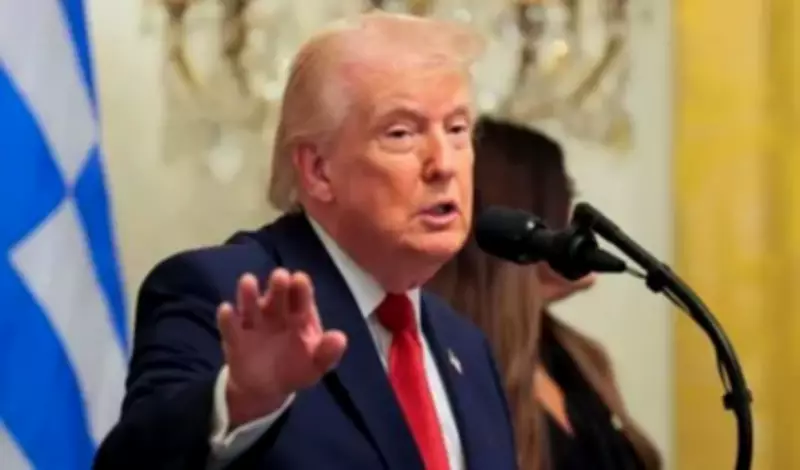
Trump Extends Deadline for Iran Energy Plant Strikes to April Amid Ongoing Conflict
U.S. President Donald Trump has announced an extension of the deadline for Iran to reopen the Strait of Hormuz, threatening the destruction of its energy plants if compliance is not met. This move follows Tehran's rejection of a 15-point U.S. proposal aimed at ending the escalating war, which has now entered its fourth week.
Escalating Conflict and Global Economic Impact
The war has spread across the Middle East, resulting in thousands of casualties and severely impacting the global economy. Soaring energy prices have fueled fears of global inflation, with the conflict disrupting key supply chains and financial markets. The Strait of Hormuz, a critical chokepoint for approximately 20% of global oil and liquefied natural gas shipments, has been effectively blocked by Iran, exacerbating the crisis.
Timeline of Threats and Negotiations
On February 28, the United States and Israel launched strikes on Iran during discussions about its nuclear program, which had not yet yielded a deal. Subsequently, on March 26, Trump threatened increased pressure on Iran during a White House cabinet meeting if no agreement was reached. He later posted on social media, stating a pause in threatened attacks on Iranian energy plants for 10 days, until April 6 at 8 p.m. Eastern daylight time (0000 GMT on April 7).
In his Truth Social post, Trump asserted, "Talks are ongoing and, despite erroneous statements to the contrary by the Fake News Media, and others, they are going very well." However, Iran has denied engagement in talks with Washington, and Trump has not specified who the U.S. is negotiating with, especially given the high-ranking officials killed in the war.
Recent Developments and Casualties
On March 23, Trump announced a five-day halt to all threatened strikes against power plants and energy infrastructure, which he has now extended to 10 days. During an interview on Fox News' "The Five" program, Trump claimed that Iranians requested a seven-day pause on strikes targeting energy plants. However, the Wall Street Journal cited peace talk mediators indicating that Iran did not ask for such a 10-day pause, with no immediate reaction from Tehran.
Iran has warned of retaliatory strikes on energy facilities in the Gulf region if Trump proceeds with his threats. Meanwhile, Iranian media reported airstrikes on residential areas in Tehran, Qom, and Urumia in the early hours of Friday morning. In Qom's Pardisan area, south of Tehran, three residential homes were struck, killing at least six people. In Tehran, Red Crescent rescue workers pulled a survivor from the rubble of a residential building hit by airstrikes.
Broader Implications and Future Outlook
The extension of the deadline highlights the volatile nature of the conflict and the challenges in achieving a diplomatic resolution. The ongoing war not only threatens regional stability but also continues to strain global energy markets and economic conditions. As tensions persist, the international community watches closely for further developments that could shape the trajectory of the Middle East conflict and its worldwide repercussions.




