
Trump Boasts Iran 'Begging to Make a Deal' as Military Campaign Intensifies
President Donald Trump has issued a stark final ultimatum to Iran this week, declaring that Tehran must accept a ceasefire agreement immediately or face what he describes as "unleashing hell" through escalated military force. The White House maintains that a defeated Iran is privately "begging" for a diplomatic resolution, even as the conflict on the ground continues to escalate with deadly consequences.
Israeli Strike Eliminates Key Iranian Commander
The situation took a dramatic turn on Thursday when Israeli Defense Minister Israel Katz confirmed that an airstrike had successfully killed Alireza Tangsiri, the commander of the Iranian Revolutionary Guard's navy. Tangsiri was widely held responsible for orchestrating the 26-day blockade of the Strait of Hormuz, a critical maritime chokepoint that has severely disrupted global oil supplies and driven gasoline prices to unprecedented highs.
With Tangsiri's elimination, the United States and its allies are optimistic that the stranglehold on this vital shipping lane may finally be broken. However, Iranian military leaders have responded with defiant statements, vowing that their resistance remains "unwavering" despite this significant setback.
Trump's Social Media Revelations on Negotiations
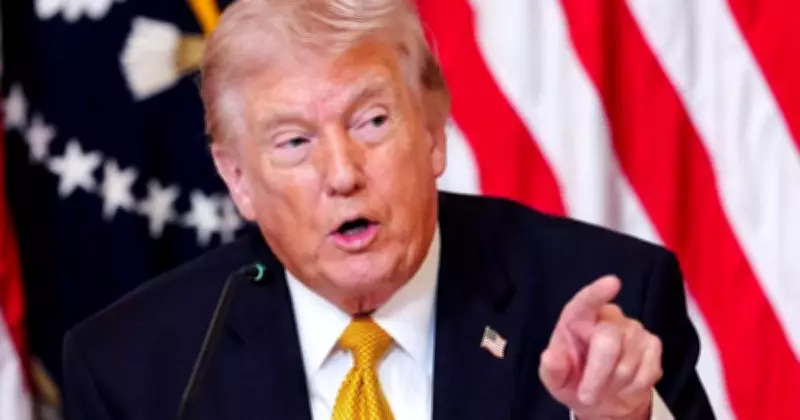
In characteristic fashion, President Trump took to his Truth Social platform to reveal what he claims are the true dynamics of behind-the-scenes negotiations. Despite Iran's public rejection of a 15-point U.S. proposal and their outward displays of defiance, Trump asserted that Iranian leadership is actually operating from a position of desperation.
"Just so we set the record straight... They are begging to make a deal — not me," Trump stated in a social media post that has since gone viral. "They are begging to work out a deal. I don't know if we'll be able to do that. I don't know if we're willing to do that. They should've done that four weeks ago."
The President suggested that Iranian officials are primarily concerned with maintaining domestic political survival, fearing retaliation from their own population if they appear weak. He issued a blunt warning that Tehran must engage seriously in negotiations "before it is too late," emphasizing that once he orders the next phase of military operations, there will be no opportunity for reversal.
Mounting Human and Economic Costs
The human toll of the conflict continues to rise with tragic consequences. In the United Arab Emirates, two civilians were killed on Thursday by debris from intercepted Iranian missiles, bringing the total death count in the UAE to ten. Simultaneously, in Israel, nine people sustained injuries as what authorities describe as a "missile war" continues to shower debris over major urban centers including Tel Aviv and Jerusalem.
The global economic impact has become increasingly severe as the conflict persists. Oil prices have surged beyond $100 per barrel, prompting nations such as South Korea and Japan to implement emergency measures and access their strategic petroleum reserves. This price spike threatens to destabilize economies worldwide that are already grappling with inflationary pressures.
Military Buildup and International Stakes
With over 50,000 U.S. troops now deployed to the region, the international community watches anxiously to see whether Iran will capitulate to diplomatic pressure or whether what Trump carefully avoids labeling a "war" will escalate into a more permanent and devastating conflict. The President's refusal to characterize the operations as warfare has drawn scrutiny from political analysts and foreign policy experts who note the significant military commitment already underway.
The death of Commander Tangsiri represents a pivotal moment in this geopolitical standoff, potentially altering the strategic calculus for all parties involved. As diplomatic channels remain open but strained, and military operations continue unabated, the world awaits Iran's next move with bated breath, aware that the consequences will reverberate far beyond the Middle East.




