
Trump Sends Second Aircraft Carrier to Middle East in Effort to Increase Pressure on Iran
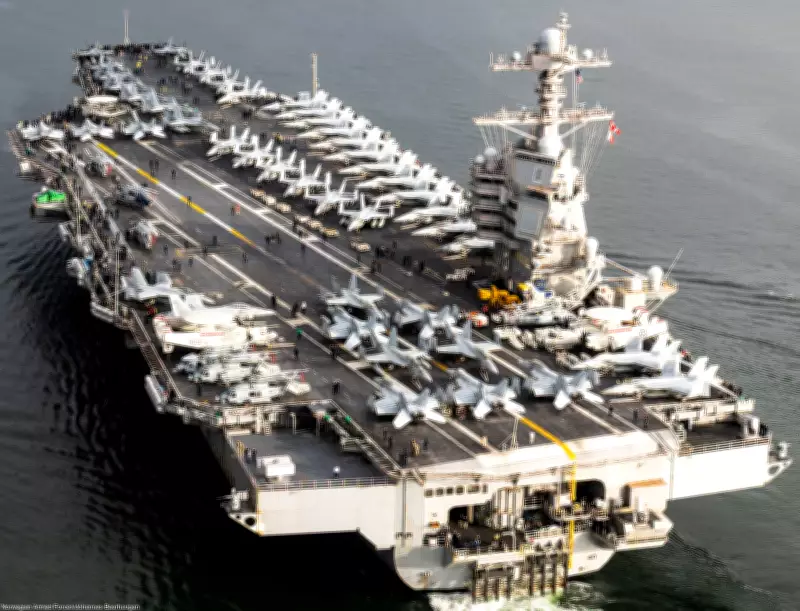
U.S. President Donald Trump has directed the USS Gerald R. Ford, the U.S. Navy's largest aircraft carrier, to redeploy from the Caribbean Sea to the Middle East. This strategic move aims to bolster pressure on Iran amid ongoing nuclear negotiations and escalating regional tensions.
Enhanced Military Presence in the Region
The redeployment will see the USS Gerald R. Ford join the USS Abraham Lincoln and its supporting warships already stationed in the Middle East. Military officials confirm that this deployment significantly increases U.S. military firepower in the area, marking a substantial shift in strategic focus from the Caribbean back toward West Asia.
The carrier and its strike group are expected to take approximately three weeks to reach the Middle East, reflecting the considerable distance and logistical planning involved in this major operational adjustment.
Diplomatic Context and Regional Dynamics
This military maneuver occurs as diplomacy with Iran over its nuclear and ballistic missile programs remains uncertain and fraught with challenges. Washington and Tehran recently held indirect talks in Oman, but no follow-up round has been scheduled, leaving the negotiation process in a state of limbo.
President Trump has publicly warned that failure to reach a comprehensive deal could lead to "very traumatic" consequences for Iran, underscoring the intense urgency behind the current pressure campaign. The deployment is seen as a tangible demonstration of this urgency, signaling Washington's readiness to escalate measures if diplomatic efforts stall.
International Perspectives and Demands
Israeli Prime Minister Benjamin Netanyahu, who met with Trump in Washington this week, has urged the United States to seek broader concessions from Tehran. These demands include limits on Iran's missile program and restrictions on its support for proxy groups across the Middle East, which have been a persistent source of regional instability.
Iran has expressed a conditional willingness to curb nuclear enrichment activities in exchange for sanctions relief from the international community. However, Tehran has firmly rejected other demands, particularly those related to its missile capabilities and regional influence, creating a complex diplomatic impasse.
Operational Significance and Strategic Posture
The deployment marks an unusually extended period at sea for the USS Gerald R. Ford, which has been operational since June 2025. This prolonged deployment underscores a more assertive U.S. military posture in response to heightened Middle Eastern tensions and the delicate state of ongoing diplomacy.
By positioning two formidable aircraft carrier strike groups in the region, the United States aims to project strength and readiness, potentially influencing Iran's calculations in the nuclear negotiations. This move also reassures regional allies of Washington's commitment to stability and security in the face of Iranian activities.
The strategic redeployment highlights the interconnected nature of military posturing and diplomatic efforts, as the United States leverages its naval capabilities to apply pressure while pursuing a negotiated settlement. The coming weeks will be critical in determining whether this increased military presence accelerates diplomatic progress or leads to further escalation in an already volatile region.




