
Trump Urges Continuation of Iran Nuclear Talks After Netanyahu Meeting
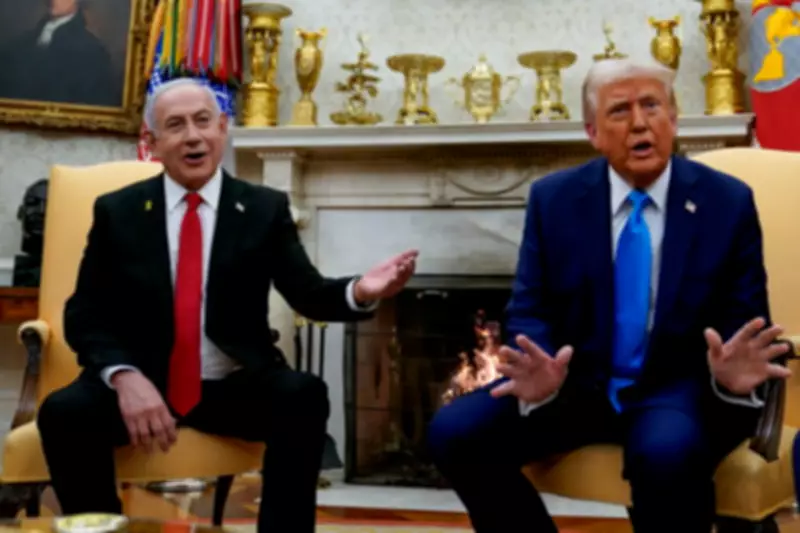
US President Donald Trump stated he pressed for continued negotiations with Iran during a White House meeting with Israeli Prime Minister Benjamin Netanyahu on Wednesday, February 11, as diplomatic efforts to curb Tehran's nuclear programme intensify significantly. Speaking after the closed-door talks, Trump described the meeting as "very good" but emphasized that no final agreement had been reached between the two leaders.
Diplomatic Push Amid Heightened Tensions
"There was nothing definitive reached other than I insisted that negotiations with Iran continue to see whether or not a deal can be consummated," Trump wrote on his Truth Social platform following the discussions. He clarified that a diplomatic resolution remains his clear preference, but cautioned that "if a deal cannot be reached, we will just have to see what the outcome will be."
Netanyahu's visit—marking his sixth trip to the United States since Trump returned to office—comes amid heightened tensions throughout the Middle East and growing international pressure over Iran's nuclear activities. The Israeli prime minister has consistently argued that Iran poses an existential threat to Israel and is believed to have urged Trump to pursue a broader agreement that extends beyond uranium enrichment limitations.
Israel's Security Demands and Iran's Position
In a statement issued ahead of the trip, Netanyahu's office emphasized that any nuclear deal must comprehensively address "the security needs of the State of Israel," including specific limitations on Iran's ballistic missile programme and its substantial backing of regional proxy groups such as Hamas and Hezbollah. Meanwhile, Iran has indicated willingness to limit certain aspects of its nuclear programme in exchange for meaningful sanctions relief but has firmly rejected demands tied to its missile development and support for allied groups across the region.
Ahead of the Washington meeting, Iranian President Masoud Pezeshkian warned that Tehran would "not yield to excessive demands." Speaking at a rally in Tehran marking the 47th anniversary of the Islamic Revolution, he maintained that Iran was not seeking nuclear weapons and remained open to verification procedures. "We have stated repeatedly that we are not pursuing nuclear weapons and are prepared for verification," Pezeshkian declared, while simultaneously insisting Iran would not bow to external pressure from any nation.
Military Posturing and Diplomatic Concerns
The diplomatic push occurs as the United States expands its military presence throughout the region. Trump has warned Iran of possible strikes if talks ultimately fail and confirmed he is considering deploying an additional aircraft carrier strike group to the Middle East. The USS Abraham Lincoln was sent to the region last month amid escalating tensions between the nations.
Analysts note that Israel remains wary that Washington could prioritize securing a nuclear deal quickly over addressing broader security concerns. "Israel is concerned that in the rush to secure an agreement, key issues like Iran's missile programme and support for proxy groups may not be fully addressed," explained Daniel Byman, a professor at Georgetown University specializing in Middle Eastern security studies.
Other observers note that Iran may be negotiating from a weakened position following recent domestic unrest and last year's joint US-Israeli air campaign targeting its military and nuclear facilities. Netanyahu met earlier with Trump's special envoy Steve Witkoff and Jared Kushner, who reportedly briefed him on initial discussions held with Iranian officials last week, indicating ongoing backchannel communications.




