
Trump's Address on US-Israel War Against Iran: Key Takeaways and Unanswered Questions
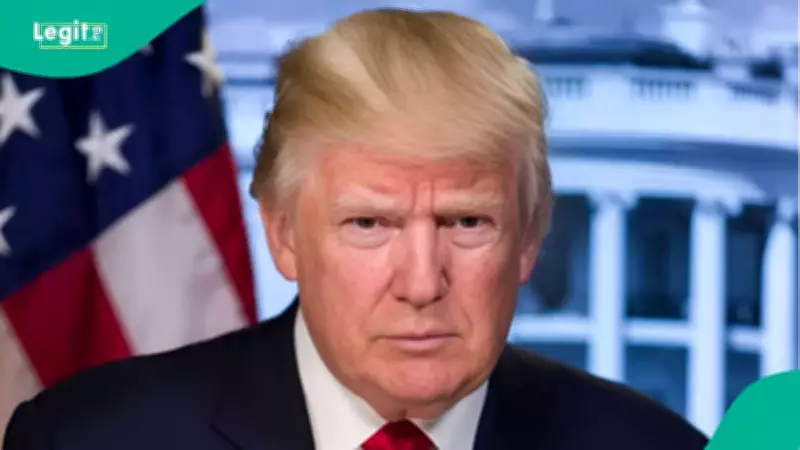
President Donald Trump delivered a primetime White House address on Wednesday, justifying the ongoing US-Israel war against Iran. However, the speech left major questions unanswered and signaled no clear endpoint to the conflict, which has already claimed the lives of more than a dozen American service members.
War Justification Without New Clarity
Trump framed the war, dubbed Operation Epic Fury, as necessary for the safety of America and the security of the free world. He repeated that Iran must never obtain a nuclear weapon, describing such a possibility as an intolerable threat. The president also claimed Iran had been building a vast ballistic missile arsenal aimed at the US homeland, asserting that this capacity had been reduced. Despite these claims, he introduced no fresh evidence or strategic details and did not explain how the campaign had neutralized Tehran's nuclear ambitions. Before the war, US intelligence agencies assessed that Iran had not begun building a nuclear weapon, though it had enriched uranium to levels close to weapons grade.
Unclear Next Steps and Timelines
The address offered mixed signals on the conflict's duration. Trump recently suggested operations could wrap up within maybe two weeks, but on Wednesday, he said the US would strike Iran extremely hard over the next two to three weeks. He stated that core strategic objectives are nearing completion and ruled out immediate ground deployments, claiming previously bombed nuclear sites are under satellite surveillance. Thousands of additional US troops are moving into the Middle East as Gulf allies push Washington to press harder, yet the president provided no definitive timeline for when the war might end.
Softer Tone Toward Allies and Shifting Responsibilities
Absent from the speech were Trump's recent attacks on NATO allies. He avoided naming any partners and stopped short of renewed threats to withdraw from the alliance. Instead, he argued that countries reliant on oil shipments through the Strait of Hormuz should secure the waterway after the war, stating they must cherish it and grab it. This shift in responsibility highlights a strategic move to involve oil-dependent nations in post-war security efforts.
Economic Concerns and Lack of Relief Measures
Trump acknowledged public anxiety over rising fuel prices, calling the increase temporary. However, he offered no new economic relief measures and framed the cost as a necessary sacrifice for future generations. With markets swinging and Congress nearing its War Powers deadline, the address reinforced that the war continues with an undefined end date, leaving economic impacts unaddressed in practical terms.




