UK Bolsters Cyprus Defense with Counter-Drone Helicopters and HMS Dragon After Iran Strike
Prime Minister Keir Starmer has officially confirmed the United Kingdom is deploying additional military assets to Cyprus in response to a recent drone strike that targeted RAF Akrotiri. The announcement underscores the UK's commitment to regional security amid escalating tensions following joint US-Israel airstrikes on Iran and subsequent retaliatory actions.
Enhanced Military Deployment Details
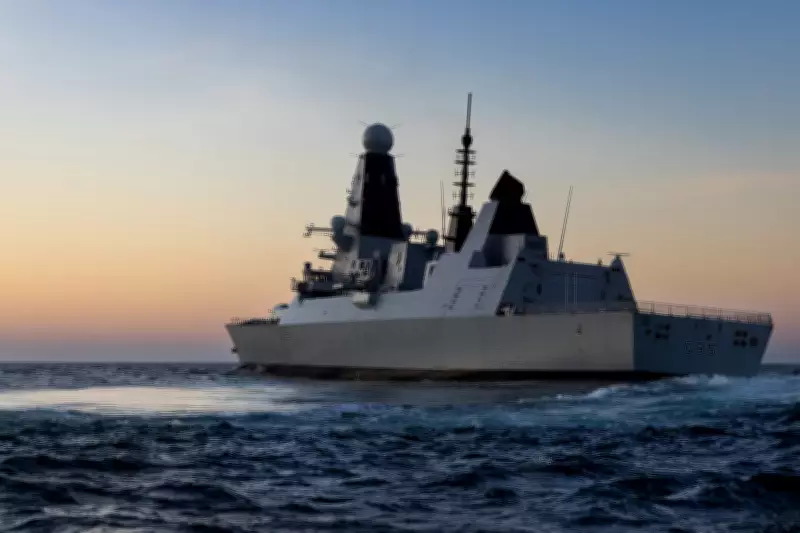
The deployment includes helicopters specifically equipped with advanced counter-drone capabilities, designed to detect and neutralize unmanned aerial threats. Additionally, the Royal Navy destroyer HMS Dragon, one of the six sophisticated Type 45 air defense destroyers currently in service, will be stationed in the region. This move aims to strengthen defensive operations and protect British interests and personnel based in Cyprus.
In a statement posted on social media platform X, Prime Minister Starmer emphasized, "The UK is fully committed to the security of Cyprus and British military personnel based there. We're continuing our defensive operations, and I've just spoken with the president of Cyprus to let him know that we are sending helicopters with counter-drone capabilities and HMS Dragon is to be deployed to the region. We will always act in the interest of the UK and our allies."
Regional Context and Diplomatic Considerations
This military reinforcement comes as the conflict enters its third day, with Iran launching retaliatory strikes against neighboring states and American interests after the weekend's US-Israel airstrikes. Reports indicate the UK government had previously considered dispatching another Type 45 destroyer, HMS Duncan, to the Middle East, highlighting the seriousness of the situation.
Prime Minister Starmer clarified that the UK will not participate in offensive strikes against Iran, citing lessons learned from the Iraq War. He stated, "We all remember the mistakes of Iraq, and we have learned those lessons. Any UK actions must always have a lawful basis, and a viable thought-through plan." This stance reflects a cautious approach to military engagement in the volatile region.
Impact on British Nationals and Travel Disruptions
The escalating tensions have significantly disrupted air travel, affecting hundreds of thousands of British nationals reportedly stranded across the region. Widespread airspace closures and flight cancellations have impacted major hubs such as Doha and Dubai, leading to substantial travel suspensions.
Foreign Secretary Yvette Cooper announced that a government-organized charter flight is expected to depart from Muscat, Oman, in the coming days. Oman remains one of the few Gulf countries where flights are still operating, prompting many travelers to cross borders in search of alternative routes home. This logistical challenge underscores the broader humanitarian and diplomatic implications of the conflict.
International Relations and Allied Coordination
Diplomatic tensions have emerged, with reports of disagreement between Prime Minister Starmer and US President Donald Trump over Britain's initial hesitation to allow US forces to use facilities on the Chagos Islands during the first wave of strikes. Although permission was eventually granted, Trump publicly expressed disappointment over the delay, highlighting strains in the transatlantic alliance.
Furthermore, France has indicated plans to bolster air defense systems in Cyprus following the drone strike, suggesting a coordinated effort among European allies to enhance defensive measures. Sir Keir stressed that the attack on RAF Akrotiri was not carried out in retaliation for the UK's decision regarding US base access, as European allies increase defensive measures amid growing regional instability.
The deployment of counter-drone helicopters and HMS Dragon represents a strategic move to deter further aggression and ensure the safety of British assets and citizens, while navigating complex international dynamics and historical lessons from past conflicts.