UN Nuclear Agency Confirms Physical Damage to Iran's Natanz Facility
The United Nations' nuclear watchdog has officially confirmed that one of Iran's key nuclear sites sustained physical damage following recent military operations conducted by the United States and Israel. This marks the first authoritative acknowledgment of direct impact on Iran's nuclear infrastructure since the coordinated attacks commenced.
Satellite Imagery Reveals Structural Impact
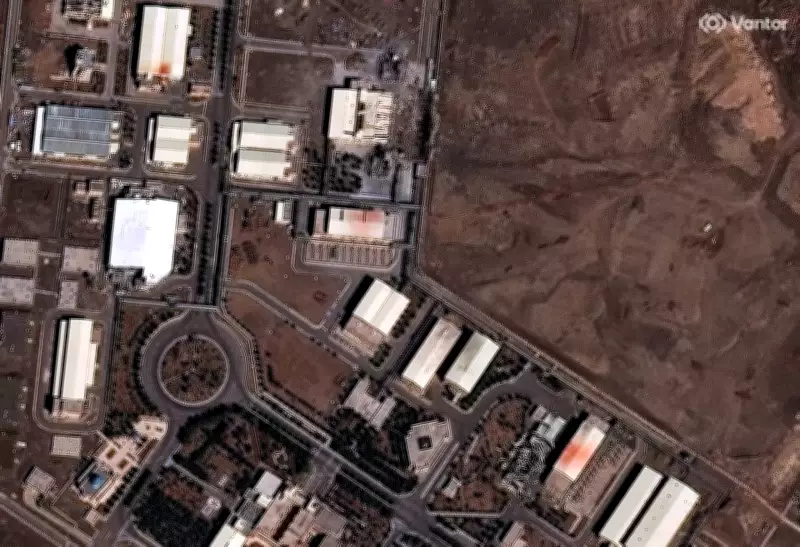
According to the International Atomic Energy Agency (IAEA), newly reviewed satellite imagery shows the Natanz Fuel Enrichment Plant experienced damage to its entrance buildings. The agency's assessment provides concrete evidence of the strikes' physical effects on the sensitive installation.
However, the IAEA emphasized there were no radiological consequences detected and reported no additional impact within the core operational areas of the facility. This distinction is crucial for understanding the limited scope of the damage relative to the plant's critical functions.
Contradiction with Previous Statements
The confirmation comes just one day after IAEA Director-General Rafael Grossi indicated there was "no indication" that nuclear installations had been struck. This rapid shift in assessment highlights the evolving nature of intelligence gathering and verification processes in conflict situations.
Satellite images analyzed by US media outlets, utilizing visuals from spatial intelligence firm Vantor, reportedly show damage to a large warehouse and two smaller two-story structures at the Natanz site. These visual confirmations provided the basis for the IAEA's updated evaluation.
Significance of the Natanz Facility
The Natanz nuclear facility represents one of Iran's most sensitive and heavily fortified nuclear installations. According to the non-profit Nuclear Threat Initiative, the complex comprises:
- Six above-ground buildings
- Three underground structures
- Two underground facilities capable of housing up to 50,000 centrifuges
This extensive infrastructure makes Natanz a cornerstone of Iran's nuclear program and a focal point in international non-proliferation discussions.
Escalating Regional Tensions
The confirmed damage adds a significant new layer of tension to the escalating conflict in the region. Global observers and diplomatic circles are closely monitoring the implications for:
- Regional stability and security dynamics
- Nuclear safety protocols and safeguards
- International diplomatic relations
- Non-proliferation treaty compliance
The development underscores the precarious nature of nuclear infrastructure in conflict zones and raises important questions about the protection of such facilities under international law.