
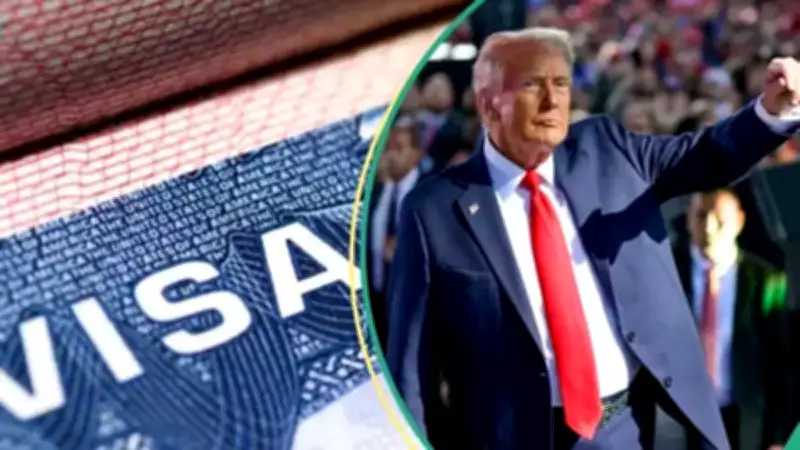
United States to Expand Social Media Screening for Additional Visa Categories
The United States government has announced a significant expansion of its visa screening procedures, incorporating mandatory social media and online presence checks for several additional visa categories. This enhanced security measure is scheduled to commence on Monday, March 30, 2026, as confirmed by the US State Department.
Expanded Visa Categories Subject to Online Scrutiny
The new requirement will apply to applicants at US consulates worldwide, affecting multiple visa classifications that were previously exempt from such rigorous digital reviews. The expanded categories now include A-3, C-3 (domestic workers), G-5, H-3, H-4 dependents of H-3, K visas, Q, R, S, T, and U visas.
Under this policy, applicants must set their social media accounts to public mode to enable thorough examination by immigration officials. The State Department will conduct comprehensive reviews of social media content, user activity, and overall online presence as integral components of background verification processes.
Building Upon Existing Screening Frameworks
This expansion represents a continuation and broadening of screening systems already implemented for specific visa types. Since June 2025, student and exchange visas (F, M, J categories) have been subject to similar social media vetting procedures. Furthermore, H-1B and H-4 visas underwent comparable screening measures starting December 2025.
The extension to additional visa categories signals a more comprehensive application of digital screening protocols across US immigration channels, reflecting evolving security priorities in the digital age.
Application Requirements and Compliance Measures
Visa applicants must submit all social media usernames utilized over the preceding five years when completing Form DS-160. This requirement underscores the importance of maintaining appropriate digital footprints throughout the application process. Immigration experts emphasize that certain types of social media content could potentially jeopardize visa approval, making careful online curation essential for prospective travelers.
Seasoned travelers and immigration specialists have offered practical guidance for navigating these new requirements. Their recommendations highlight strategic approaches to social media management that can help applicants present favorable digital profiles while complying with enhanced screening protocols.
Policy Context and Implementation Timeline
The announcement follows previous US immigration policy developments involving digital screening measures. The March 2026 implementation date provides applicants and immigration professionals with advance notice to prepare for the expanded requirements.
This policy evolution reflects ongoing adjustments to immigration procedures in response to contemporary security considerations, with digital footprint analysis becoming increasingly integral to visa adjudication processes for numerous applicant categories seeking entry to the United States.




