Global Oil Crisis Looms as US-Iran Tensions Threaten Vital Strait of Hormuz
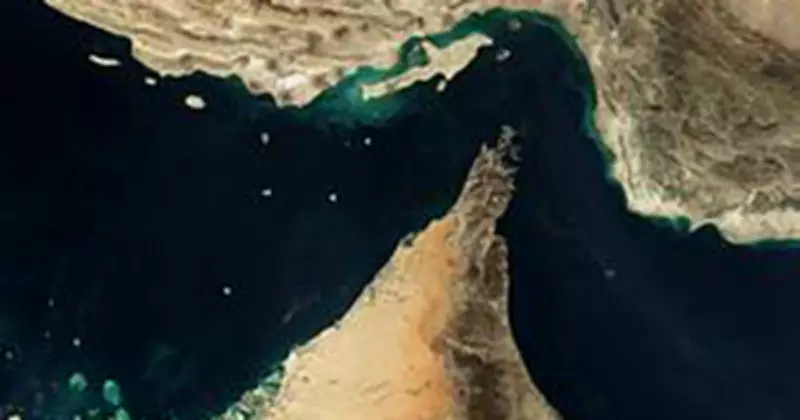
The strategic Strait of Hormuz, a narrow maritime passage connecting the Persian Gulf with the Gulf of Oman, has emerged as a critical flashpoint in escalating tensions between the United States and Iran. This vital waterway, measuring just 104 miles in length with shipping lanes narrowing to a mere 2 miles, serves as the conduit for approximately 20% of global oil and gas shipments, making it indispensable to worldwide energy markets.
Geographic Significance and Historical Context
Located between Iran's northern coast and the Musandam Peninsula shared by Oman and the United Arab Emirates, the Strait of Hormuz has been a commercial artery for centuries. Historical records from the era of Babur document its importance for transporting commodities like almonds. Today, its significance has multiplied exponentially, with the strait handling about one-quarter of the world's oil and 20% of liquefied natural gas shipments.
The waterway operates primarily through the Traffic Separation Scheme north of the Musandam Peninsula, though the deeper Inshore Traffic Zone south of Oman's Didimar island provides alternative passage. These waters exceed 650 feet in depth, though Omani authorities typically reserve this area for smaller vessels during peacetime conditions.
Current Threats to Global Energy Security
Recent developments have heightened concerns about the strait's vulnerability. In early 2026, multiple tanker attacks created what experts describe as an "effective halt of traffic" as vessels began avoiding the area. This disruption has already delayed shipments and increased global oil prices, demonstrating the waterway's sensitivity to even minor disturbances.
Iran's strategic position along the northern side of the strait gives it significant leverage. While the country has never maintained a prolonged closure, it has repeatedly threatened to block passage during political crises. During Iran's 12-day conflict with Israel in 2025, analysts warned that oil prices could surge past $100 per barrel if the strait were blocked.
Potential Consequences of Disruption
Every day, approximately 20 million barrels of crude oil—roughly one-fifth of global production—pass through the Strait of Hormuz. Countries including Saudi Arabia, Kuwait, and other Gulf states depend entirely on this route to reach markets in Asia, Europe, and beyond. Limited alternative pathways mean any disruption creates immediate ripple effects across global energy markets.
Recent incidents illustrate this vulnerability:
- LNG carriers from Qatar, including one chartered by British Gas owner Centrica, have rerouted or paused journeys
- Shipping and insurance costs have increased substantially
- Global oil prices have shown heightened volatility
Military and Economic Considerations
Experts believe Iran would likely only fully close the strait as a last resort, since such action would severely damage its own economy by halting oil and goods exports. However, smaller-scale disruptions remain probable and could have outsized impacts:
- Signal jamming and electronic warfare tactics
- Ship detentions under various pretexts
- Deployment of sea mines in strategic locations
- Increased naval patrols and military exercises
International maritime law and foreign naval forces, particularly the U.S. Fifth Fleet based in Bahrain, help ensure shipping passage remains open. However, the 1980s "Tanker War" between Iran and Iraq demonstrated how quickly the strait can become a conflict zone, requiring international intervention to maintain commercial traffic.
Global Implications and Future Outlook
The Strait of Hormuz represents a classic geopolitical choke point where geography, economics, and security intersect. Its narrow dimensions—just 20 miles at its most constricted point—contrast dramatically with its enormous global significance. Even temporary disruptions send shockwaves through energy markets, highlighting the world's continued dependence on this vulnerable maritime corridor.
As US-Iran tensions persist, the strait's stability remains uncertain. While a complete closure seems unlikely in the near term, the increasing frequency of attacks and threats suggests that shipping through this critical waterway will face growing challenges, with potential consequences for global energy security and economic stability worldwide.