
US Congressman Issues Stark Warning Over Plateau Violence
The United States has delivered a forceful warning in response to last Sunday's brutal assault on the Angwan Rukuba community in Plateau state, where suspected gunmen massacred at least 28 people. The escalating violence has drawn international attention and prompted serious diplomatic concerns.
Congressman Moore's Direct Response
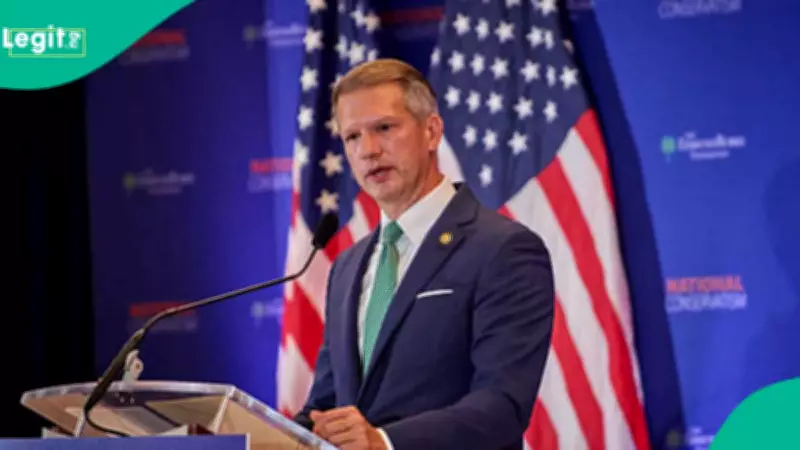
US Congressman Rep. Riley Moore, in a social media statement on Wednesday, April 1, demanded immediate action against what he described as "brazen attacks by Islamic radical terrorists." Moore emphasized the religious dimension of the conflict, stating, "The persecution and slaughter of our brothers and sisters in our Lord and Savior Jesus Christ must end NOW."
During an appearance on NEWSMAX, Moore revealed he had personally witnessed the crisis during a recent visit to Nigeria. "I saw with my own eyes the tragedy and horror that is unfolding there," he recounted. "Unfortunately, we had 40 individuals killed during a Palm Sunday service, and another 13 Christians were killed in separate attacks by Islamic radical militants."
Clear Warning of Potential US Intervention
The congressman delivered an unambiguous message regarding potential American involvement. "President Trump has been very clear on this: if they don't address it, we are going to address it for them. If they don't step up, we will have to take the lead on this," Moore declared, marking a significant escalation in diplomatic language.
Moore noted that approximately 200 US military personnel are currently stationed in Nigeria, working alongside Nigerian armed forces to address capability gaps through training and collaboration. However, he expressed frustration with the pace of progress, stating, "The Nigerian government has been trying to make some steps on this, but they are not doing that fast enough."
Broader Implications for US-Nigeria Relations
This warning represents one of the most direct statements from US officials regarding potential intervention in Nigeria's internal security matters. The presence of American military trainers already indicates significant security cooperation, but Moore's comments suggest this relationship could evolve into more direct action if the Nigerian government fails to adequately address the Plateau violence.
The congressman's remarks highlight growing international concern about Nigeria's security challenges, particularly in regions experiencing religious and ethnic violence. His specific mention of Christian persecution adds another layer to the complex dynamics of Nigeria's security landscape.
As the situation develops, observers will be watching closely to see how the Nigerian government responds to both the Plateau attacks and this significant diplomatic pressure from one of its most important international partners.




