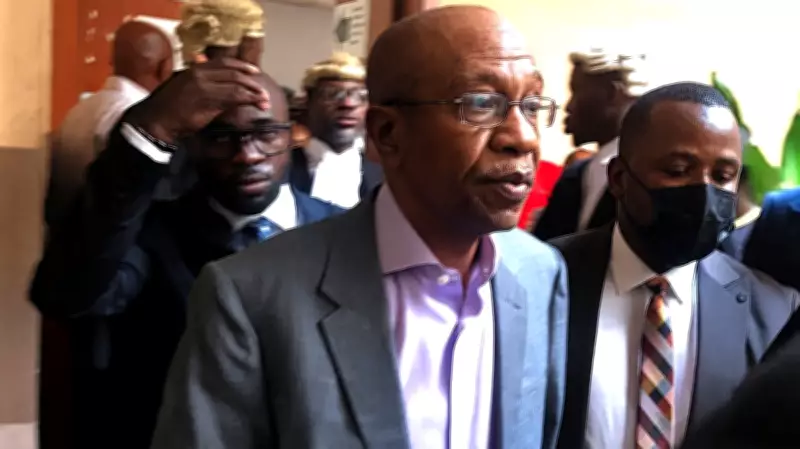
Court Fines EFCC N500,000 for Multiple Adjournments in Emefiele's Trial
An Abuja High Court has imposed a fine of N500,000 on the Economic and Financial Crimes Commission (EFCC) for repeatedly seeking adjournments in the ongoing trial of former Central Bank of Nigeria (CBN) Governor, Godwin Emefiele. The ruling was delivered by Justice Hamza Muazu on Tuesday, following the prosecution's failure to produce its 13th witness, DCP Edwin Okpoziakeo, who was scheduled to testify.
Details of the Charges and Proceedings
Emefiele is facing charges including criminal breach of trust, forgery, abuse of office, conspiracy to obtain by false pretence, and obtaining money by false pretence during his tenure as CBN governor. The EFCC alleges that he fraudulently obtained $6.23 million, purportedly intended for international election observers during the 2023 general elections. Additionally, the anti-graft agency accuses him of conferring corrupt advantages on two companies—April 1616 Nigeria Ltd and Architekon Nigeria Ltd. Emefiele has pleaded not guilty to all charges.
During Tuesday's proceedings, EFCC counsel A.O. Mohammed informed the court that the witness could not appear due to administrative procedures. Mohammed explained that the witness had been instructed by the Force Headquarters to appear only after a formal request was sent to the Inspector-General of Police. He stated that he complied by writing the required letter, but the witness later informed him he was attending to a personal matter at another court in Gwagwalada, where his personal bank account was reportedly under a garnishee order. Mohammed urged the court to grant another adjournment to allow the prosecution to present the witness.
Defence Objection and Legal Arguments
Matthew Burkaa, counsel for Emefiele, strongly objected to the application for adjournment. Burkaa cited Sections 396(3) and (4) of the Administration of Criminal Justice Act (ACJA), 2015, which limit the number of adjournments each party may request during trial. He argued that the prosecution had already been granted eight adjournments, surpassing the statutory limit of five. Burkaa noted that the EFCC had previously requested an accelerated hearing of the case but had repeatedly delayed proceedings. "The prosecution made its choice by allowing the witness to prioritise personal matters over official duty," he told the court.
Court Ruling and Implications
In his ruling, Justice Muazu agreed with the defence that the prosecution had sought multiple adjournments. However, he noted that the court still has the discretion to grant adjournments in the interest of justice, especially when the testimony of an investigator is deemed material to the case. The judge accordingly imposed a N500,000 fine on the EFCC for delaying the trial despite previous assurances of accelerated proceedings. The matter was adjourned until 27 April for the continuation of the trial.
This development highlights ongoing challenges in high-profile corruption cases in Nigeria, where procedural delays can impact judicial efficiency. The fine serves as a reminder of legal limits on adjournments under the ACJA, aimed at ensuring timely justice delivery.