PFN Advocates for Constitutional Reform Amid Religious Concerns
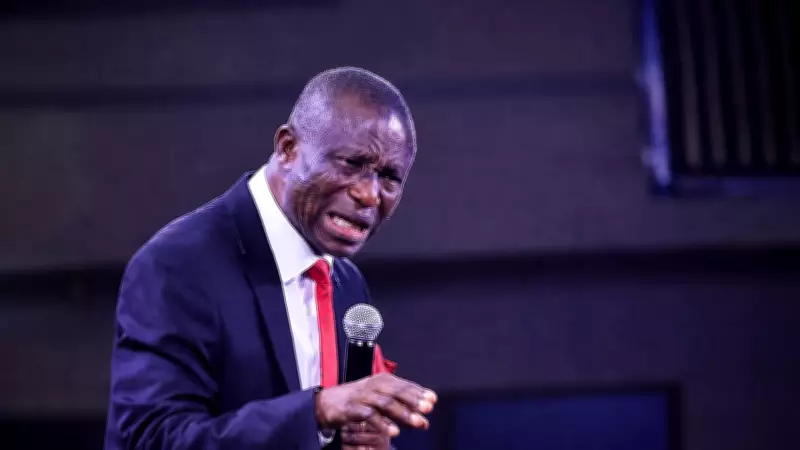
The Pentecostal Fellowship of Nigeria (PFN) has issued a strong call for the drafting of a new constitution, highlighting what it perceives as a significant imbalance in the nation's legal framework. During a recent conference in Lagos State, PFN National President, Bishop Francis Wale Oke, articulated these concerns, emphasizing that the current constitution fails to adequately represent the religious demographics of Nigeria.
Addressing Religious Disparities
Bishop Oke pointed out that Christians constitute slightly over 50 percent of Nigeria's population, with a dominant presence in the southern regions and a substantial footprint in parts of the North. He criticized the constitution for its extensive references to Sharia and Islamic provisions, which he argued lack corresponding recognition of Christianity. This disparity, according to Oke, undermines principles of national inclusiveness and fairness, potentially fostering division.
The PFN president proposed two potential solutions: either adopt a constitution that equally accommodates all religions or remove religious references entirely. He stressed that religion should be treated as a private matter, with the state's role limited to regulation aimed at preventing violence and maintaining order.
Linking Insecurity to Religious Extremism
Oke further connected Nigeria's ongoing insecurity crisis to religious extremism, alleging that many violent attacks are perpetrated under the guise of faith. He specifically referenced groups such as Boko Haram and the Islamic State West Africa Province, alongside bandits and other armed factions, as key drivers of this violence. The cleric described the persistent killings in states like Benue, Plateau, Taraba, and Borno as deeply troubling, with severe impacts on affected communities.
In response, Oke called on prominent religious and political leaders to take decisive action. He urged the Sultan of Sokoto, Sa'ad Abubakar III, to play a more active role in addressing the situation and encouraged all religious leaders to speak out against violence and restrain those using faith to justify attacks. Additionally, he appealed to President Bola Ahmed Tinubu to intensify efforts to combat insecurity across the country.
The PFN's stance underscores growing tensions over religious representation in Nigeria's governance, with implications for national unity and security policies moving forward.