
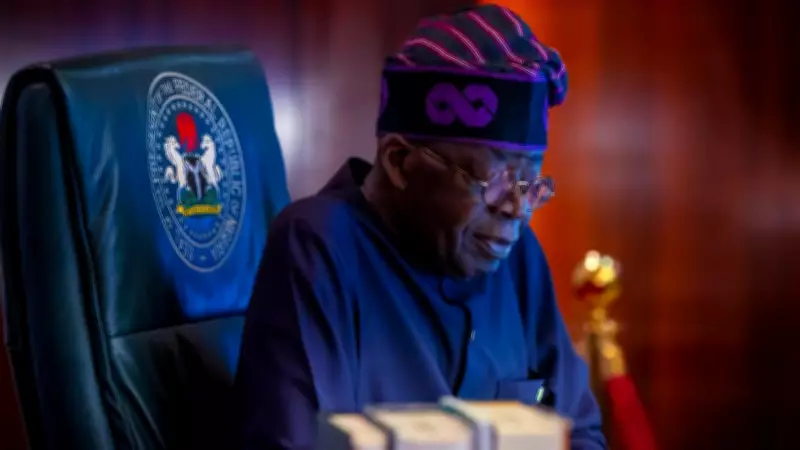
In March 2023, after realizing a lifetime ambition as president-elect, Bola Ahmed Tinubu promised Nigerians a government of national unity and national competence. In a statement titled 'Nigeria: At the cusp of renewed hope,' he pledged to assemble competent individuals from across the country to build a safer, more prosperous, and just Nigeria. He emphasized a digital economy, double-digit GDP growth, food security, and a strengthened manufacturing base. He called for unity, saying, 'This is not the time for continued acrimony and partisan recrimination.' He aimed higher than a government of national unity, seeking a government of national competence, where character and competence would determine appointments, not religion or politics.
Unfulfilled Promises and Economic Challenges
However, three years into his administration, critics argue that the promised government of national competence has not materialized. Economic challenges persist, including food inflation, energy crises, and a lack of transformative projects. The removal of fuel subsidies, announced in his inauguration speech, has not been adequately addressed, compounding the cost of living. Food prices remain high, and many Nigerians struggle to afford basic necessities.
Distractions and Sycophants
The administration has been criticized for paying too much attention to sycophants rather than voices of reason. Social media 'cyber soldiers' attack opposition figures and critics, but do little to address hunger and other pressing issues. The president has been urged to listen to feedback from citizens who cry out daily about the hardship.
Lack of Transformative Projects
Despite promises of national competence, there have been few big ideas or projects in education and health sectors. Nigerian leaders still travel abroad for medical check-ups, and teaching hospitals are not trusted. No governor or minister has invited the president to commission technology laboratories in any of the country's 300 universities. The National Hospital in Abuja remains underutilized.
The Need for Human Capital Development
To achieve national competence, the administration must focus on human capital development, particularly education and health. Funding quality education at all levels is crucial. Japanese universities set global trends and foster national competence through advanced laboratories and revolutionary discoveries. Nigeria must similarly invest in STEAM subjects, including media and communication technology.
Bureaucracy and Leadership
The federal civil service needs overhauling to support policy implementation. Competent officers exist within the bureaucracy, but good leadership and communication policies are required. The State House Permanent Secretary's announcement that the Presidential Villa would disconnect from the national grid after allocating N17 billion for solar energy sends a wrong signal to citizens grappling with high electricity costs.
As the 2027 elections approach, the president must plant good trees now to produce good fruits. Instead of borrowing for white elephant projects like the Badagry-Sokoto Road, funds should be directed to federal roads that fuel food inflation and claim lives. Sea ports need integration with good roads. Political leaders flying over bad roads highlights the neglect of infrastructure.
In conclusion, the government of national competence remains an unfulfilled promise. The administration must address economic challenges, invest in education and health, overhaul the bureaucracy, and deliver transformative projects to renew hope for Nigerians.




