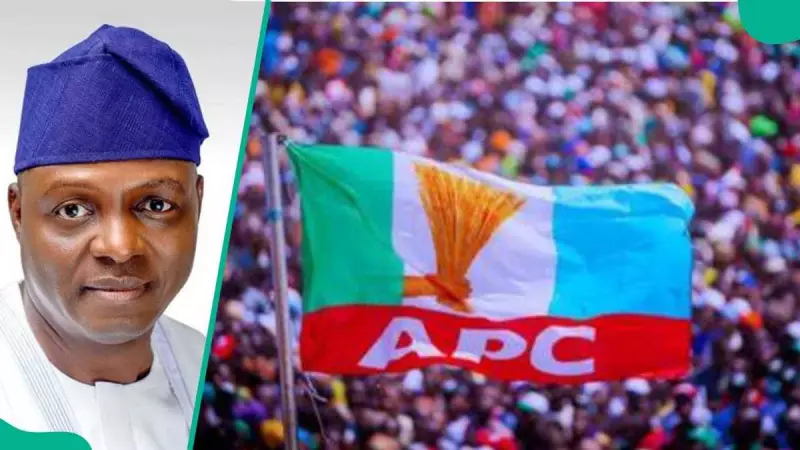
In a significant political realignment ahead of Nigeria's 2027 general elections, former Kogi State Governor Captain Idris Wada has officially left the opposition Peoples Democratic Party (PDP) for the ruling All Progressives Congress (APC).
Formal Defection Ceremony Announced
The high-profile defection is set to be formalized on Monday, November 17, 2025, at the Muhammadu Buhari Square in Lokoja, the Kogi state capital. Reliable APC sources confirmed that key party leaders are finalizing arrangements for what promises to be a major political event in the state.
According to reports from TVC News on Saturday, November 15, Wada will be joining the APC alongside other notable opposition members from Kogi State. This move represents a significant shift in the state's political landscape as parties begin positioning themselves for the next electoral cycle.
Strengthening APC's Dominance
Political analysts suggest that Wada's defection to the APC is expected to strengthen the already robust leadership structure of the ruling party in Kogi State. The development comes as particularly gratifying news for Prof. Nentawe Yilwatda, the national chairman of the APC, who has been working to consolidate the party's influence across Nigeria.
Photographic evidence has already emerged showing the former governor receiving his APC membership card, signaling his formal transition to the ruling party. Supporters of both Wada and the APC have expressed jubilation at this political development.
Broader Political Implications
Wada's move follows a similar pattern of political defections across Nigeria. Earlier reports indicated that Governor Duoye Diri of Bayelsa state had also defected to the APC, with Vice President Kashim Shettima leading top party figures to welcome him in Yenagoa.
The timing of these defections, coming nearly two years before the 2027 elections, suggests strategic positioning by both the APC and opposition figures. As political alignments continue to shift, observers are watching closely to see how these moves will impact Nigeria's democratic landscape in the coming years.