Women Groups Raise Concern Over Exclusion of Female Aspirants Ahead of 2027
A coalition of women-led civil society organizations has expressed worry over the sidelining of female aspirants by political parties in the ongoing build-up to the 2027 general elections. The groups stressed that the current pattern emerging from party primaries threatens to reverse gains in women's political participation.
Speaking at a press conference in Abuja titled "Broken Promises. Missing Women: Audit of the Primaries So Far", the coalition said early results from party primaries, particularly within the ruling All Progressives Congress (APC), showed a widening gap between public commitments to women's inclusion and the actual treatment of female aspirants during candidate selection processes.
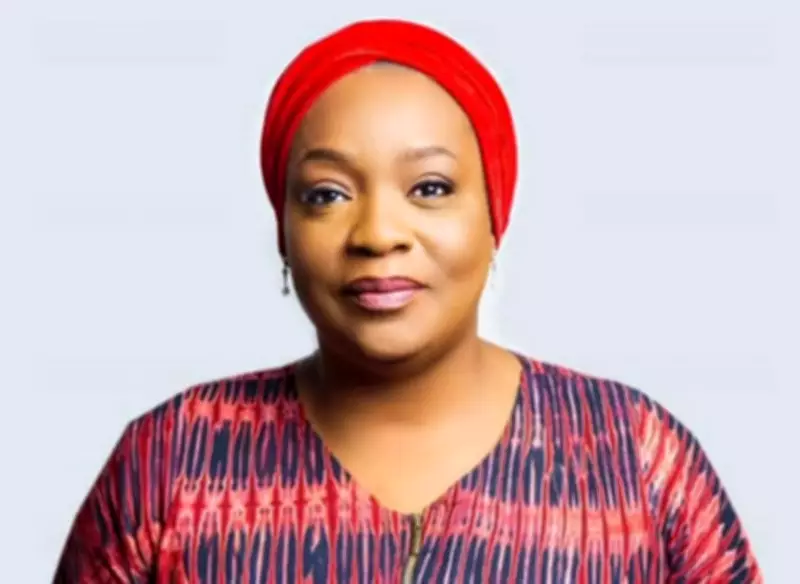
The coalition addressed party chairmen across political parties and urged them to ensure that forthcoming primaries produce more female candidates ahead of the 2027 elections. Speaking on behalf of the coalition, Toun Okewale of the Voices of Women Empowerment Foundation said the next two weeks would determine whether Nigeria's political system genuinely intends to advance women's inclusion or merely recycle old patterns of exclusion.
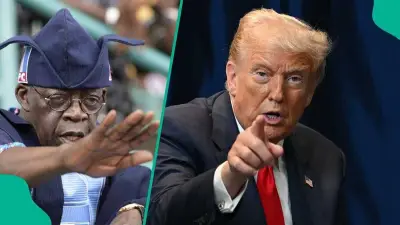
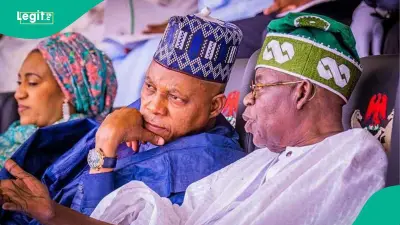
According to her, statements made by President Bola Ahmed Tinubu and the Nigeria Governors' Forum had created expectations that the 2027 electoral cycle would provide broader opportunities for women in politics. She recalled that Tinubu, during the 2026 International Women's Day celebration, pledged to create conditions where women and girls could thrive, while Chairman of the Governors' Forum, Governor AbdulRahman AbdulRazaq, also spoke about integrating women-focused programmes into governance priorities across states.
However, she noted that early outcomes from the House of Representatives primaries suggested that many female aspirants faced difficulties at critical stages of candidate selection. "Those commitments raised national expectations that this election cycle would be different. However, the primaries conducted so far have revealed a troubling gap between those promises and political reality," she said.
Okewale explained that although women participated actively in the primaries, only a few states, including Katsina, Edo, Imo, Ogun, Abia and Benue, recorded successful female aspirants. She added that the coming primaries in other political parties present another opportunity to strengthen inclusion and improve representation. "We cannot afford a repeat across the remaining parties. The promises made by the President and the Governors' Forum cannot become symbolic statements without political action behind them," she added.
President of the Women in Politics Forum, Ebere Ifendu, said the primary process in some states had been shaped by screening decisions and internal party arrangements that affected female aspirants. She cited the disqualification of Rivers West Senator and former Deputy Governor, Ipalibo Banigo, during the APC senatorial screening exercise in Rivers State, noting that Banigo remains one of the few women currently serving in the Senate.
In her remarks, Ifendu also mentioned Engineer Noimot Oyedele Salako among aspirants who were screened but did not advance, while reports from several states indicated that some women stepped down during consensus negotiations. She observed that parties such as the Labour Party, African Democratic Congress (ADC), Social Democratic Party (SDP), Nigeria Democratic Congress (NDC) and Action Alliance (AA) still have upcoming primaries and could improve the level of women's representation on their candidate lists. "This is your window to turn commitments into candidacies," she said.
Also speaking, Irene Awunna of the League of Women Voters of Nigeria said increasing women's participation in politics could broaden voter engagement and strengthen public confidence in political parties. According to her, women make up a significant percentage of Nigeria's population and are more likely to become politically active when they see greater representation in the electoral process. "A visible female candidate activates women voters, first-time voters and families who want representation focused on schools, healthcare, food security and community welfare," she said.
Awunna also argued that parties viewed as inclusive tend to enjoy greater credibility and trust, adding that communities with stronger female representation often pay closer attention to education, healthcare and grassroots development.
The coalition called on political parties preparing for primaries to publish transparent criteria for candidate selection, disclose the number of male and female aspirants participating at different stages, and ensure that qualified women are fairly represented on final candidate lists submitted to the Independent National Electoral Commission (INEC). The groups further stated that they would continue monitoring the level of inclusion throughout the 2027 election cycle and make their findings available to the public.