Political and Business Leaders Slam Tinubu's UK Visit Outcomes
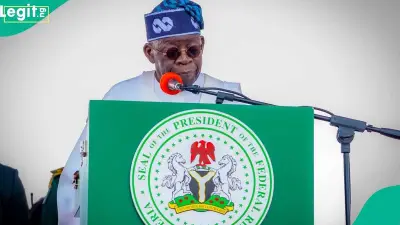
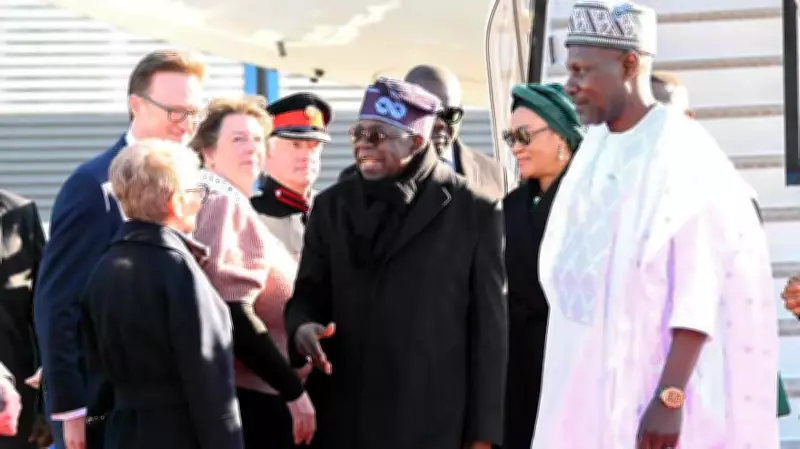
President Bola Tinubu's recent state visit to the United Kingdom, which generated approximately $1.5 billion in agreements, has drawn sharp criticism from opposition parties and business leaders who argue it represents a squandered opportunity for Nigeria's economic advancement.
Business Leader Calls Visit Diplomatic Pageantry Over Substance
Dele Oye, Chairman of the Alliance for Economic Research and Ethics LTD/GTE and Life Vice-President of the Nigerian Association of Chambers of Commerce, Industry, Mines and Agriculture (NACCIMA), described the two-day visit as "a masterclass in diplomatic pageantry" that ultimately fell short of delivering tangible benefits for Nigerian businesses.
"While the visit recorded milestones, including trade and investment agreements, it ultimately fell short of translating diplomatic engagement into tangible benefits for Nigerian businesses and investors," Oye stated in a detailed critique of the presidential trip.
He specifically noted the failure to leverage critical opportunities such as the $21 billion in yearly diaspora remittances from over 500,000 Nigerians living in the United Kingdom, calling the visit "a squandered opportunity for comprehensive Nigerian business advancement."
ADC Labels £746 Million Port Deal as Disadvantageous
The African Democratic Congress (ADC) went further in its criticism, describing the £746 million agreement to refurbish Apapa and Tin Can Island ports as a "mugu deal" that disproportionately favors British economic interests.
In a statement signed by National Publicity Secretary Bolaji Abdullahi, the opposition party argued that "the APC government has tried to hoodwink Nigerians by portraying the agreement to rehabilitate the Tin Can and Apapa Ports in Lagos as a diplomatic success, when it is, in reality, a commercial loan arrangement with conditionalities that ensure a substantial portion of the funds either remains within the UK or is repatriated back to it."
The ADC pointed to UK government documentation describing the deal as a "major vote of confidence in UK manufacturing" that will protect thousands of British jobs through UK Export Finance's Buyer Credit Facility arranged by Citibank's London branch.
Concerns Over Lack of Sector-Specific Strategies
Both critics highlighted the absence of clear, sector-specific strategies that could enable Nigerian Small and Medium-sized Enterprises to access UK markets or benefit from bilateral trade arrangements.
Oye acknowledged some gains from the visit, including infrastructure financing and increased bilateral trade discussions, but stressed that "the outcomes do not sufficiently address Nigeria's need to boost exports, support local businesses and attract sustainable investment."
He noted that while bilateral trade sits at an all-time high of £8.1 billion yearly and the visit produced headline-grabbing wins like a $496 million integrated dairy platform, "what was conspicuously absent was a concrete, forward-looking roadmap for transforming this 'special relationship' into measurable economic outcomes for Nigerian businesses."
Calls for Transparency and Better Economic Diplomacy
The ADC has called on the Federal Government to provide full transparency by disclosing comprehensive details of the agreement, including applicable interest rates, repayment terms, and any local content provisions or obligations associated with the deal.
The party expressed particular concern that "the Nigerian government entered into an agreement that left the country at a clear disadvantage, seemingly in exchange for a few hours of pomp and ceremony, and as part of a broader attempt to secure foreign validation, even as millions of Nigerians continue to face poverty, unemployment and worsening insecurity."
Oye concluded his assessment by questioning whether the visit represented "a triumph of government economic diplomacy, or a missed opportunity masked by private sector resilience," suggesting that despite the impressive figures, "the visit exposed a fundamental misalignment between the President's rhetoric about economic partnership and the actual prioritisation of Nigerian business interests."