ADC's Tony Nwoye Takes Over as Senate Minority Whip in Major Opposition Shift
Tony Nwoye, representing the African Democratic Congress, has been officially announced as the new Minority Whip of the Senate, marking a significant development in Nigeria's political landscape. This appointment follows recent party realignments that have reshaped the balance of power within the upper legislative chamber.
Background to the Appointment
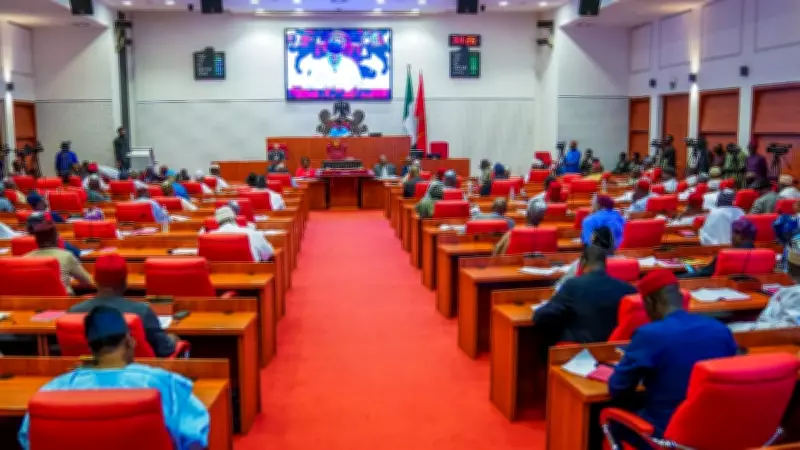
The change comes after the resignation of Osita Ngwu, who previously held the position but defected from the Peoples Democratic Party to join the All Progressives Congress. Senate President Godswill Akpabio made the announcement during a plenary session, stating that Nwoye's nomination was formally conveyed through a letter from the Senate Minority Caucus.
This move reflects a broader transformation in the Senate's opposition dynamics, with the ADC now emerging as the leading opposition party. The party currently holds nine seats, compared to the PDP's five, positioning it as the dominant minority bloc.
Controversy Over Minority Leadership
Despite this shift, Abba Moro of the PDP continues to serve as Minority Leader, a situation that has raised eyebrows among political observers and analysts. Many question the logic of Moro retaining this role when his party no longer commands the majority within the minority caucus.
Political analyst John Oloriegbe commented on the anomaly, stating, "I really don't know why Abba Moro is still acting as Minority Leader when his party is no longer the majority within the minority." He emphasized that the ADC, as the dominant opposition party, should ordinarily nominate a new Minority Leader in line with parliamentary conventions.
Oloriegbe added that any formal leadership change would depend on whether ADC senators officially communicate their position to the Senate leadership, highlighting the procedural aspects of such transitions.
Further Defections and Political Instability
The plenary session also witnessed additional defections, underscoring ongoing instability within opposition parties. Anthony Siyako Yaro of Gombe South moved from the PDP to the APC, citing internal crises within his former party as the primary reason for his switch.
Similarly, Ahmed Aliyu Wadada of Nasarawa West, who was elected on the platform of the Social Democratic Party, formally notified the Senate of his defection to the APC. In his letter to Senate President Akpabio, Wadada explained that his decision, which he stated dates back to August 2025, was driven by leadership disputes within the SDP.
Implications for Senate Dynamics
These latest political realignments highlight the fluid and often turbulent nature of Nigeria's opposition politics. The changes could significantly reshape leadership dynamics in the Senate, influencing future legislative processes and electoral strategies.
The emergence of the ADC as the leading opposition party, coupled with continued defections, suggests a period of recalibration ahead of key political developments. Observers note that this instability may impact the effectiveness of opposition oversight and coalition-building in the Senate.
As the political landscape evolves, the roles of minority parties in checks and balances, as well as their preparedness for upcoming electoral cycles, remain critical points of discussion among stakeholders and the public alike.