African Leaders Renew Emphasis on Institutional Strength at Murtala Muhammed Memorial
African leaders, statesmen, and thought leaders have issued a renewed call for the deliberate construction of strong institutions and effective systems capable of driving prosperity and self-determination across the continent. They declared that Africa's true "coming of age" lies in institutional strength rather than mere political rhetoric.
Commemorating a Legacy
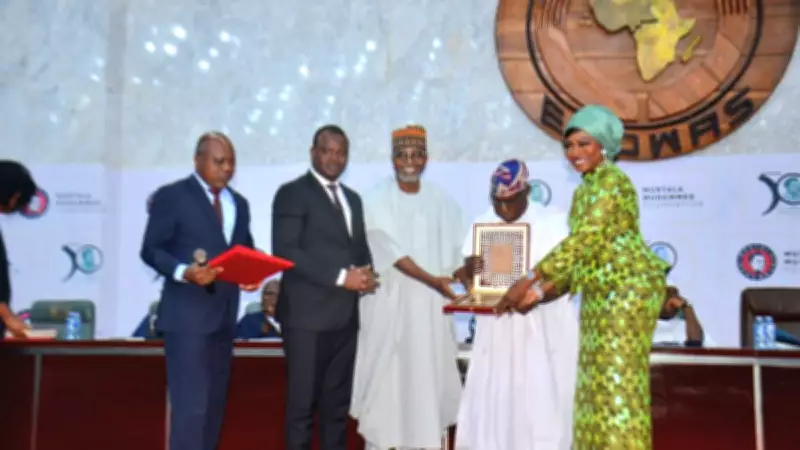
The call was made during the International Lecture and Leadership Conference held at the ECOWAS Secretariat in Asokoro, Abuja, to mark 50 years since the assassination of Nigeria's former Head of State, General Murtala Ramat Muhammed. The event was organized by the Murtala Muhammed Foundation (MMF) under the theme: "Has Africa Come of Age?"
Distinguished attendees included former Nigerian President Olusegun Obasanjo, former Vice-President Yemi Osinbajo, former President Goodluck Jonathan, former Ghanaian President John Kufuor, former Sierra Leonean President Ernest Koroma, former Malawian President Joyce Banda, Emir Sanusi Lamido Sanusi of Kano, and representatives from Angola, among other notable figures.
Shifting Focus to Institutional Development
In her welcome address, Dr. Aisha Muhammed-Oyebode, daughter of the late Head of State and CEO of the Murtala Muhammed Foundation, emphasized that Africa must now transition its focus from political liberation to institutional development.
"The Murtala Muhammed generation fought for political independence; our generation must fight for institutional strength," she stated. "If Africa demands prosperity on the global stage, we must deliver prosperity at home. If we believe Africa has come of age, then we must build institutions and systems that work for the people and address the leadership challenges confronting our continent."
Legacy of Enduring Institutions
Former President Olusegun Obasanjo, Chairman of the Board of Trustees of the Murtala Muhammed Foundation, highlighted General Muhammed's greatest legacy as the institutions and structures he established—systems that endured beyond his lifetime.
"Murtala Muhammed created institutions that lived after him, something few leaders in our history were able to achieve," Obasanjo remarked. He noted that the 1975 era represented a watershed moment in Nigeria's history following the civil war, with a deep consciousness of national unity.
Obasanjo also praised the Muhammed family for preserving the late General's legacy over the past 25 years through the Foundation, urging African leaders to "put our house in order" as the most meaningful contribution to the continent's future.
Call to Self-Awareness and Responsibility
Delivering the plenary keynote address, former Vice President Professor Yemi Osinbajo interpreted General Muhammed's declaration that "Africa has come of age" as a call to self-awareness, responsibility, and courageous leadership.
"Coming of age is a process. It is the capacity to handle our own affairs and the determination to confront our challenges," Osinbajo explained. "The fortunes of Africa are in our hands. We must mobilise growth, build development that powers prosperity, and harness the continent's enormous potential to compete globally."
Questioning Leadership Priorities
Former President Goodluck Jonathan reflected on General Muhammed's life as a powerful reminder that leadership is defined not by governance style, but by impact on the people.
"His legacy tells our youths that they can aspire to the highest offices and commit themselves to leadership and service," Jonathan said. He questioned why many African leaders spend significant portions of their lives abroad despite the continent's vast resources, urging a refocus on domestic institution-building.
Unity and Maturity in Addressing Challenges
Former Ghanaian President John Agyekum Kufuor called for unity and maturity in tackling Africa's challenges, warning of the risk of renewed fragmentation.
"Africa is ageing into civilisation, and there is a need for us to come together," Kufuor asserted. "What we enjoy today is built on the sacrifices of leaders like Murtala Muhammed. Our struggle must now be pursued with confidence and maturity."
Conclusion
The memorial lecture served as a poignant platform for African leaders to reiterate the critical importance of building robust institutions that transcend individual tenures. The consensus underscored that Africa's path to true prosperity and global competitiveness hinges on systemic strength, effective governance, and a collective commitment to institutional development, honoring the legacy of visionary leaders like General Murtala Muhammed.