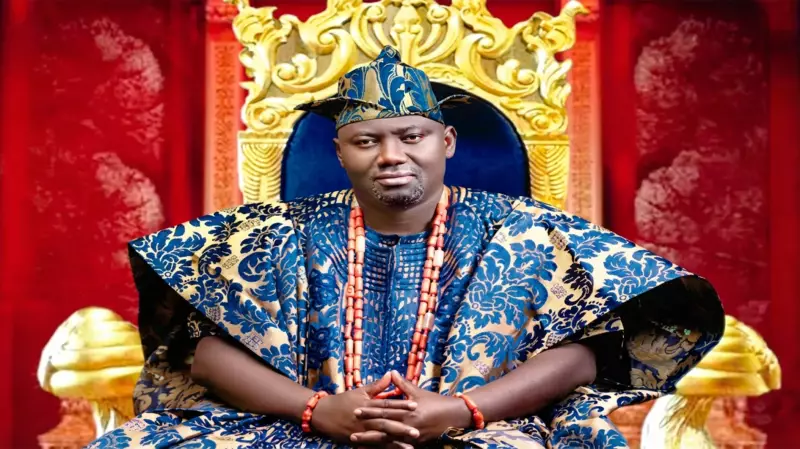
The Alaafin of Oyo, Oba Engineer Abimbola Akeem Owoade I, has publicly contradicted Oyo State Governor Seyi Makinde, stating he was never consulted on the new rotational leadership plan for the state's traditional council. This denial introduces a significant controversy into the recent reconstitution of the Oyo State Council of Obas and Chiefs.
Palace Issues Strong Rebuttal
In a statement released on Thursday, 15th January 2026, by his Director of Media and Publicity, Mr. Bode Durojaiye, the Alaafin's Palace categorically denied the governor's assertions. Governor Makinde, while inaugurating the reconstituted council, had announced that the chairmanship would rotate among three paramount rulers: the Olubadan of Ibadanland, the Soun of Ogbomoso, and the Alaafin of Oyo. He named the Olubadan, Oba Rashidi Adewolu Ladoja, as the pioneer chairman under this new system and claimed the decision followed consultations with the three monarchs.
The Palace's statement was unequivocal in its refutation. "The Palace hereby states clearly that there was no time that His Imperial Majesty, the Alaafin of Oyo, Oba Engineer Abimbola Akeem Owoade I, held any meeting with either the state governor or any of the two traditional rulers mentioned above," the declaration read. It further emphasized that the Alaafin never endorsed the rotational chairmanship arrangement.
Historical Position and a Submitted Memorandum
The statement from the Oyo Palace added a crucial historical dimension to the dispute. It revealed that the position of the Alaafin and the wider Oyo community had already been formally communicated to the governor. This was done through a memorandum submitted by the Oyo Council of Elders, which outlined the long-standing historical stance of Oyo regarding the structure and leadership of the State Council of Obas and Chiefs.
This reference to a previously submitted document suggests the Alaafin's position is rooted in tradition and precedent, rather than being a spontaneous reaction. The development casts doubt on the governor's claim of inclusive consultation and highlights a potential clash between modern administrative decisions and historical traditional hierarchies.
Deepening Controversy Over Tradition and Equity
This public disagreement from one of Yorubaland's most revered thrones adds a fresh and potent twist to the ongoing debate. The Alaafin, as the historical head of the old Oyo Empire, occupies a central symbolic role in Yoruba culture and politics. His open dissent challenges the state government's narrative that the rotational system promotes equity, unity, and harmony among the state's traditional institutions.
Critics of the governor's plan argue that it undermines historical precedence and the established traditional hierarchy in Yorubaland. The state government now faces the task of managing a delicate situation that pits a policy aimed at inclusivity against the firm historical stance of a major traditional power. The resolution of this dispute will be closely watched, as it touches on the sensitive balance of power and respect within Nigeria's intricate traditional governance systems.