Clerics Task Governors on Judicious Use of Increased Federal Allocations
As Muslims across Nigeria celebrate Eid-el-Fitr, prominent Muslim scholars and clerics have issued a strong appeal to state governors and local council leaders. They are urging these officials to provide clear and measurable evidence of how increased allocations from the Federal Government are being utilized to benefit citizens. This call comes amid widespread economic hardship, with the clerics emphasizing the need for deliberate actions to meet basic needs through critical infrastructure development and sustainable poverty alleviation programs aimed at achieving economic freedom.
Accountability and Structural Reforms
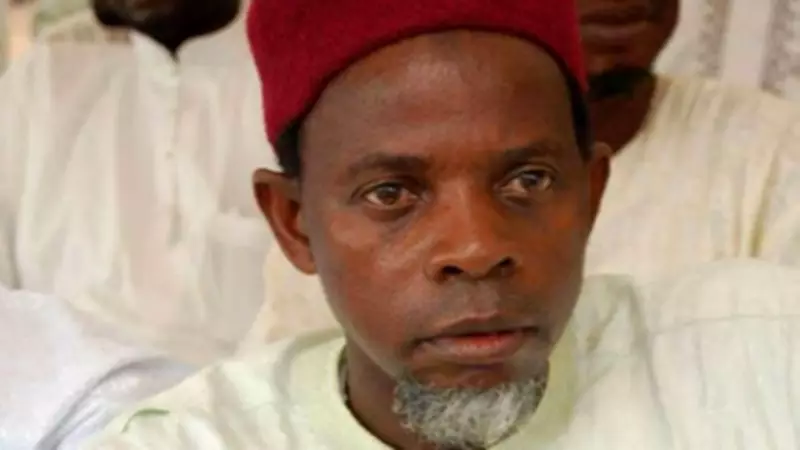
In his Sallah message, Imam Abdu-Azeez Morufu Onike, the Chief Missioner of the Nasrul-Lahi-l-Fatih Society (NASFAT), highlighted the importance of holding leaders accountable when national conditions are unfavorable. However, he also noted that leaders should be granted reasonable time to implement necessary structural reforms. Onike acknowledged existing security challenges but pointed to visible signs of progress, including institutional restructuring, regional cooperation, and economic measures designed to address the root causes of instability and insecurity.
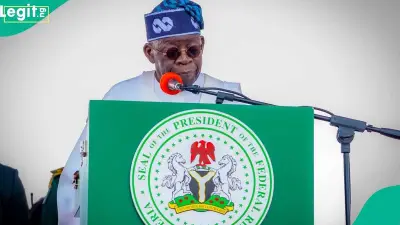
He encouraged Nigerians to commend leaders who have performed well and to avoid being overly judgmental in their approach to issues. Onike advised citizens to exercise patience with President Bola Ahmed Tinubu's administration, giving it the benefit of the doubt. He referenced Islamic teachings that discourage rash conclusions and public agitation, instead promoting trust in leadership processes and expert judgment.
Compassion and Collective Action
Prof. Ismail Musa, the Chief Imam of the UNILAG Muslim Community (UMC), in his own Sallah message, urged both federal and state governments to show greater compassion toward ordinary Nigerians. He emphasized that these citizens bear the heaviest burdens from social disorder, conflicts, and wars. Musa stressed that leaders must not overlook the obvious challenges facing the nation, such as fear, insecurity, and uncertainty.
Reminding leaders that Nigerians need both economic and moral revitalization, he called for a collective battle against poverty, disease, and all forms of human suffering. Musa asserted that the welfare of all Nigerians must be a priority for everyone, regardless of religious faith. He stated, "As Muslims celebrate, they must remember those who cannot. Let the hunger, thirst, and deprivation experienced during Ramadan inspire them to greater generosity and compassion towards all humanity."
Addressing Insecurity and Infrastructure Deficit
Sheikh Muhammad Manzoor Olohuntosin Shile, the Chief Imam of Adisat Central Mosque in Mushin, Lagos, tasked the Federal Government with tackling insecurity and promoting national unity. He also urged the government to address the significant infrastructure deficit, arguing that both Nigerians and investors would benefit greatly from such improvements. Shile warned Muslims against anger, describing it as the origin of many atrocities in the world today. He admonished them to continue adhering to the teachings of the Holy Month for their spiritual and physical well-being, as well as for the country's benefit.
Promoting Peace and Love
In a similar vein, Alatoye Azeez Folorunso, the Amir of the Ahmadiyya Muslim Jama'at of Nigeria, called for a peaceful world through the sharing of love and upholding human dignity. In his Eid-el-Fitr message, themed 'Seek the Love of Allah to Achieve the Purpose of Your Creation,' Folorunso noted that the just-concluded Ramadan was a trying period not only for the Muslim ummah but for all of humanity.
He recounted the effects of upheavals in the Middle East, caused by ongoing attacks and counterattacks in the region, and expressed regret that the precarious global situation in recent weeks might have been avoided if mankind had lived in accordance with divine commandments. Folorunso described Ramadan as a reminder to return to the purpose of human creation and seek Allah's love. He said, "It was a time when more attention was paid to the worship of Allah and to accommodating the needs of our fellow human beings. It was a time when most Muslims shunned mundane things, avoided trouble, and lived humbled lives. It was a time when Muslims shared what they had with others for the love of Allah." He urged Muslims to continue these practices beyond Ramadan until they are privileged to witness another holy month.