Ekiti State Executive Council Unveils Comprehensive Development Blueprint
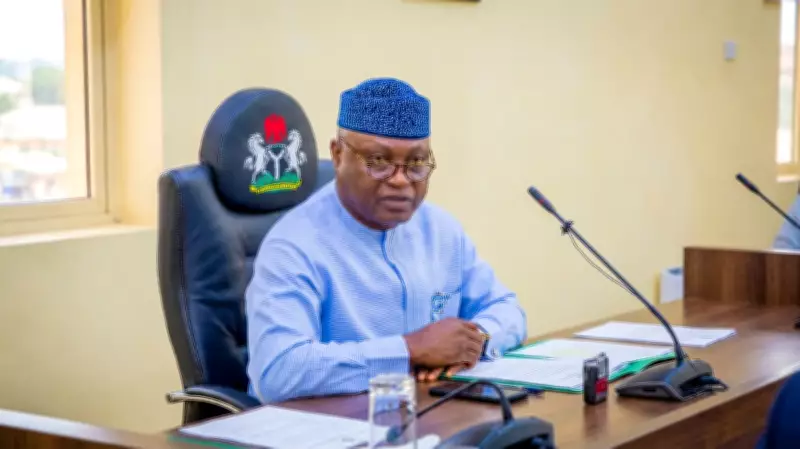
The decisions taken at the Second Meeting of the Ekiti State Executive Council on Wednesday, 11 March 2026, represented far more than a routine list of approvals. They constituted a coherent and deliberate statement of direction, showcasing a government meticulously aligning policy with purpose, institutions with reform, and expenditure with measurable impact. Across critical sectors including governance, statistics, education, sports, agriculture, power, public procurement, and urban renewal, the Council's resolutions demonstrated an administration firmly committed to translating its vision into tangible, visible development for the people of Ekiti State.
Governance and Institutional Reform: Strengthening Foundations
One of the most significant decisions was the approval for establishing the Office of the Surveyor-General of Ekiti State. While this may appear administrative, it is profoundly developmental. Land administration forms a critical foundation for orderly growth, investment security, urban planning, and rural expansion. By approving legislation to formally create this office, appoint a qualified Surveyor-General, and regulate surveying activities to professional standards, the administration under Governor Biodun Abayomi Oyebanji is addressing a key institutional gap in managing land resources. This reform signals seriousness in a period where land use and investment mapping are central to subnational development, reflecting a leader who understands that sustainable progress relies not just on projects but on the invisible architecture of law, records, and accountability.
Data-Driven Governance and Planning
In a forward-looking move, the Council approved the Ekiti State Statistical Master Plan (2025–2029). This five-year plan is designed to enhance the quality, reliability, and availability of official statistics, foster collaboration among ministries, identify data needs, attract skilled personnel, and build durable systems for implementation and monitoring. Evidence-based governance is a hallmark of modern public administration, and this approval underscores Ekiti's commitment to governing by facts and long-term planning. It aligns with broader national reform thinking under President Bola Ahmed Tinubu's Renewed Hope framework, which emphasizes discipline in public finance, digitization, and data-driven performance.
Education, Inclusion, and Moral Governance
The Council demonstrated a strong moral purpose with approvals in the education sector, particularly for vulnerable learners and school safety. Funding was allocated for the rehabilitation of drainage and walkways at Government Special School, Ido-Ekiti, and Government Special School for the Deaf, Ikoro-Ekiti, addressing erosion damage that compromised the learning environment. For pupils with special educational needs, such interventions are crucial for dignity, safety, and access. Additionally, a substantial sum was approved for renovating affected public secondary schools and enhancing security, including perimeter fencing at All Souls' Grammar School, Ado-Ekiti. This focus on education aligns with Governor Oyebanji's human capital philosophy and the national emphasis on renewal and social transformation.
Public Administration and Procurement Modernization
To improve government efficiency, the Council approved the renovation of the Ekiti State Liaison Office Complex in Abuja, restoring the state's institutional presence in the Federal Capital. Furthermore, funding was allocated for constructing a modern e-Office Space and Conference Hall for the Bureau of Public Procurement, strengthening transparency and compliance across ministries. The decision-making style itself, with clear timelines, named contractors, and justified procurement methods, reflects a government committed to procedure and purpose.
Sports Infrastructure and Ambition
Ekiti's sports renaissance received a major boost with additional funding for the reconstruction and remodeling of the Oluyemi Kayode Stadium in Ado-Ekiti. The project, now at 74% completion, will include new facilities such as an administrative building, extra spectators' seats, a hostel, and multipurpose courts, aiming to meet National Football League standards. This investment highlights the administration's ambition to develop physical infrastructure for youth engagement and talent development.
Power, Agriculture, and Urban Renewal
Council approved the renewal of a bank guarantee for the 3MW Ekiti Independent Power Plant, signaling commitment to energy security and supporting industrial activity. In agriculture, funding was allocated for constructing buildings at Gede Farm Settlement, revitalizing neglected assets into productive infrastructure. For urban mobility, a significant sum was earmarked for rehabilitating key township roads in Ado-Ekiti, improving commuting patterns, market access, and daily life for citizens.
A Cohesive Development Charter
Taken together, the approvals from this Executive Council meeting covered over N8.85 billion in direct project commitments and a N5.71 billion bank guarantee renewal. The breadth of sectors addressed—from land governance and statistical reform to education, sports, and infrastructure—reveals a Governor governing across silos with a disciplined, compassionate, and results-driven approach. These decisions resonate with the Renewed Hope Agenda and APC manifesto traditions, focusing on building infrastructure, strengthening institutions, and investing in people. Implementation will be key, but Ekiti appears organized to deliver progress sector by sector, proving that reform can be orderly and impactful.