Foreign Affairs Minister Yusuf Tuggar Resigns Following Presidential Directive
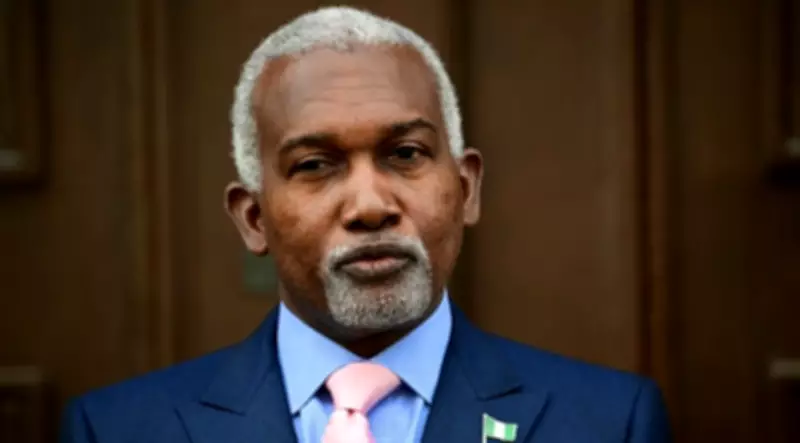
Nigeria's Minister of Foreign Affairs, Yusuf Tuggar, has officially resigned from his position, marking a significant development in President Bola Tinubu's administration. The resignation was confirmed by the ministry's spokesperson, Kimiebi Ebienfa, on Monday, March 30, 2026, following growing speculation about the minister's political future.
Presidential Directive Triggers Resignation
The resignation comes directly in response to President Tinubu's directive issued to all political appointees within his administration who intend to contest elective positions in the upcoming 2027 general elections. The president mandated that such appointees must resign from their current posts on or before March 31, 2026, to comply with electoral regulations and maintain transparency in the political process.
President Tinubu based this decision on Section 88(1) of the Electoral Act 2026, which outlines specific requirements for public office holders seeking elective positions. Additionally, the timetable released by the Independent National Electoral Commission (INEC) for party primaries ahead of the 2027 polls created a clear deadline for compliance.
Speculation Surrounding Political Ambitions
Tuggar's resignation has intensified speculation about his political ambitions, particularly regarding the Bauchi State governorship election scheduled for 2027. Multiple sources suggest the minister intends to contest the governorship position on the platform of the All Progressives Congress (APC), though neither Tuggar nor party officials have made an official announcement.
The timing of the resignation aligns perfectly with the presidential directive and INEC's electoral calendar, suggesting careful planning and compliance with regulatory requirements. Political analysts note that Tuggar's move positions him strategically for the upcoming political season while adhering to legal and administrative protocols.
Implications for Foreign Affairs Ministry
The resignation creates an immediate vacancy in one of Nigeria's most crucial ministerial positions. The Foreign Affairs Ministry plays a vital role in:
- Managing Nigeria's international relations
- Coordinating diplomatic missions worldwide
- Implementing foreign policy directives
- Representing Nigeria in global forums
President Tinubu is expected to appoint an acting minister or announce a permanent replacement in the coming days to ensure continuity in Nigeria's foreign policy implementation. The transition comes at a critical time when Nigeria faces numerous international challenges requiring steady diplomatic leadership.
Broader Political Context
Tuggar's resignation represents the first major implementation of President Tinubu's directive regarding political appointees seeking elective office. This move establishes a precedent for other cabinet members and senior officials who may harbor similar political ambitions for the 2027 elections.
The development highlights several important aspects of Nigeria's evolving political landscape:
- Strict adherence to electoral laws and regulations
- Transparency in political transitions
- Clear separation between appointed and elective positions
- Strategic planning for upcoming electoral cycles
As the 2027 election season approaches, more resignations from political appointees are anticipated, potentially reshaping the current administration's composition and creating opportunities for new appointments and political realignments.