Bode George Alleges APC and INEC Plot to Undermine Democracy, Warns Against One-Party State
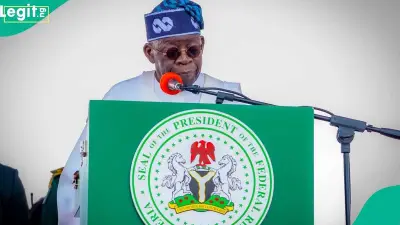
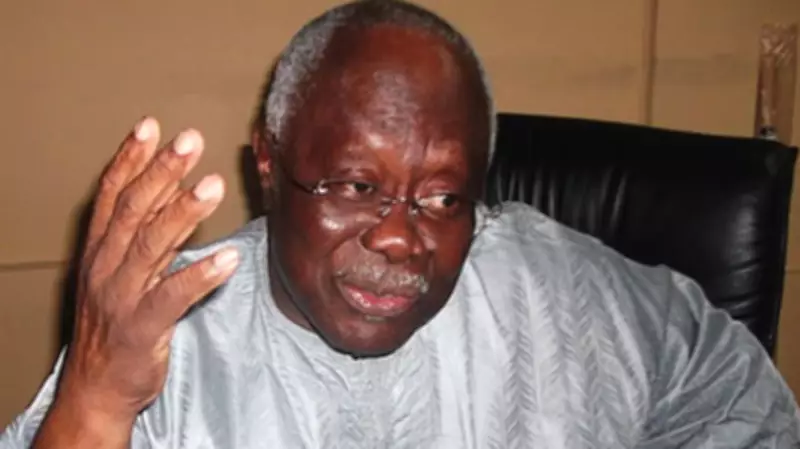
Former Deputy National Chairman of the Peoples Democratic Party (PDP), Olabode George, has raised serious concerns over an alleged plot by the ruling All Progressives Congress (APC) and the Independent National Electoral Commission (INEC) to undermine Nigeria's democratic system ahead of the 2027 general elections. In a statement issued recently, George accused both institutions of actions and pronouncements that suggest an attempt to prevent the emergence of any presidential candidate other than President Bola Tinubu in the next election cycle.
George warned that such developments could erode democratic principles and threaten the nation's political stability, potentially leading to a one-party state. He likened the political situation to the biblical account of Abimelech in the Book of Judges, describing him as a leader who destroyed others to secure power. According to George, this analogy serves as a reminder that injustice and abuse of authority ultimately face divine and societal consequences.
Call for Resistance and Reflection on Nigeria's Political History
Calling on leaders across party lines to speak out, the former PDP chieftain urged political stakeholders and elders in the country to resist actions that could weaken democratic institutions. Reflecting on Nigeria's political history, George said he had witnessed several phases of the nation's evolution and warned against allowing the country to descend into crisis. He argued that Nigeria's size and diversity require a functional multi-party system to sustain participatory governance and ensure fair representation.
George emphasized the importance of maintaining a robust democratic framework to prevent authoritarian tendencies and protect the rights of all citizens. He stressed that any move towards a one-party state would be detrimental to Nigeria's progress and unity, urging vigilance among the populace and political actors alike.
Abba Moro Blames Internal Party Actors for PDP Crisis
In contrast, Senate Minority Leader Abba Moro, speaking during an interview on Arise News, blamed political actors within parties, particularly the PDP, for the persistent internal crises. He insisted that external institutions like INEC are not responsible for the instability. Moro said the challenges confronting the PDP and other political parties were largely self-inflicted by their members, including governors, lawmakers, and party leaders.
"I want to say straight away that I think that the political actors are primarily responsible for what is going on," he stated. "If you look at the crisis, the apparent crisis in the political parties, it is generated and aggravated by the political actors." Moro dismissed suggestions that the PDP is divided into multiple blocs, asserting, "Well, there is only one PDP. There are no two."
Analysis of Past Internal Decisions and Current Operations
The lawmaker also revisited past internal decisions, particularly the controversial Ibadan convention, which he said deepened the party's crisis due to non-compliance with a subsisting court order. According to him, disagreements among key stakeholders, including Nyesom Wike and Seyi Makinde, contributed to the tensions that made the choice of Ibadan as venue contentious.
Despite the internal wrangling, Moro maintained that the PDP remains operational, noting that a recent convention monitored by INEC produced a recognised leadership. He highlighted the need for internal reconciliation and adherence to democratic processes within parties to overcome crises and strengthen Nigeria's political landscape.
This ongoing debate underscores the complex dynamics in Nigerian politics, with external allegations and internal blame-shaping discussions on democracy's future. As the 2027 elections approach, stakeholders are urged to prioritize transparency and accountability to safeguard the nation's democratic institutions.