As Nigeria commemorates June 12 Democracy Day, the occasion serves as a moment to reflect on the nation's journey from military dictatorship to civil rule. However, after 27 years of democracy, questions arise about the progress made. The Office of the Secretary to the Federal Government (SFG) inaugurated an inter-ministerial committee to coordinate activities for the 27th Democracy Day. Senator George Akume, the SGF, described the day as significant for reflecting on the sacrifices of those who fought for democracy, claiming that democratic institutions are being strengthened. Yet, data and lived experiences suggest otherwise.
Democratic Failures and Public Perception
The democracy in Nigeria has failed many of its citizens. A tiny political elite and their business associates benefit from partial governance and corruption, while the majority suffer. The National Bureau of Statistics (NBS) reports that 63 percent of the population, over 133 million Nigerians, are multidimensionally poor. Freedom of choice, a core tenet of democracy, has been abridged, with opposition parties rendered ineffective. Since 1999, ruling parties have imposed themselves on the people, even when failing to deliver good governance.
Opposition and Internal Party Democracy
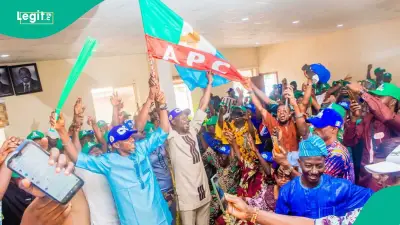
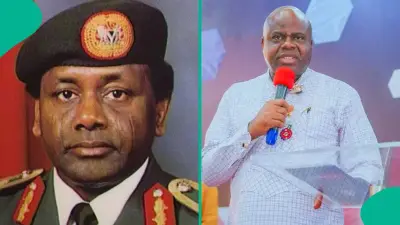
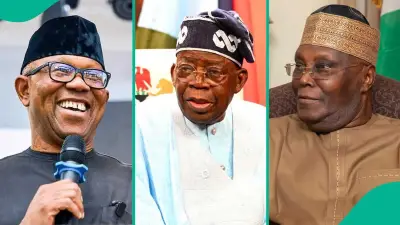
President Tinubu's administration has focused on balkanizing the opposition. As the 2027 elections approach, opposition parties are in disarray, facing multiple court disputes. Within the ruling All Progressives Congress (APC), internal democracy is dead. Party members cannot express divergent views. Dr. Kayode Fayemi, a pro-democracy activist, criticized the party's shambolic primaries, warning that abandoning internal democracy could trigger implosion. Party secretary Ajibola Basiru threatened disciplinary action against Fayemi for his comments.
Electoral Malpractices and Legislative Issues
Automatic tickets for opposition members who defect have caused chaos, leaving about 60 federal lawmakers stranded after losing primaries. Senate President Godswill Akpabio assured them of resolution, but such practices undermine democratic principles. Akpabio himself received an automatic ticket in 2023 after stepping down for Tinubu. Similarly, former Senate President Ahmad Lawan was awarded a ticket by the court despite not contesting the primary, extending his 27-year tenure in the National Assembly.
Executive Dominance and Institutional Weaknesses
The executive branch has dominated the legislature and judiciary since 1999. The president determines primary winners and imposes leadership on the National Assembly, compromising checks and balances. The Appropriation Act is flagrantly disobeyed, capital budgets unimplemented, and insecurity worsens due to underfunding of the military. Procurement laws are ignored, and contracts go to government friends. The legislature has abandoned its constitutional duties, appropriating resources meant for constituencies. Some theorists suggest Nigeria cannot afford a full-time bicameral legislature.
Electoral Commission and Judicial Integrity
The Independent National Electoral Commission (INEC) operates as a wing of the ruling party, as the president appoints its officials. This system must be dismantled to prevent another June 12 crisis. The judiciary, meant to resolve disputes, has been compromised by corruption. Between 2018 and 2020, about N9.4 billion was transacted as bribes in the justice sector. Politicians use houses and luxury vehicles to ensnare judges, compromising justice delivery. The judiciary's dependence on handouts from politicians is harmful to democracy.
Youth Disenfranchisement and Economic Burden
The government has no plan for young people, who make up a significant portion of the population. Harsh economic policies affect them severely, yet they are told to wait for better times. Meanwhile, children of the ruling class enjoy affluence. Nigeria's public debt has soared to N159.28 trillion as of April 2026, with President Tinubu borrowing N65.9 trillion in less than three years. This democracy has become a burden, and it is up to Nigerians to make it lighter.