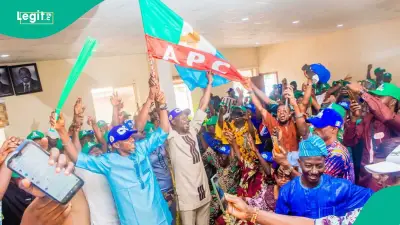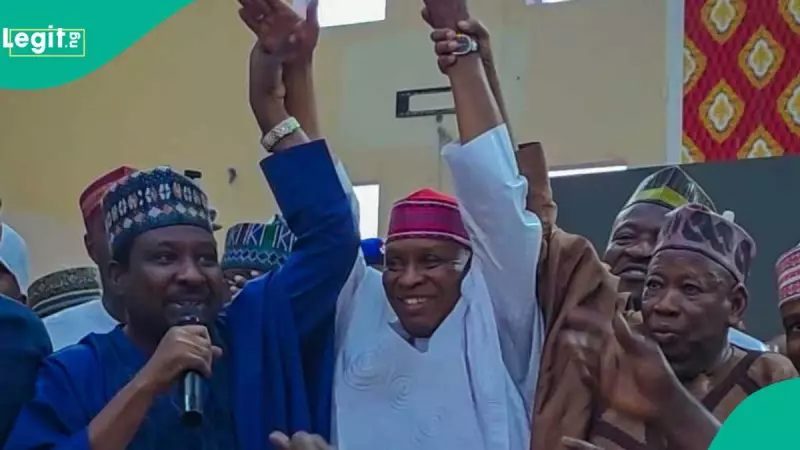
In a significant political development, Governor Abba Kabir Yusuf of Kano State has officially joined the ruling All Progressives Congress (APC). This move comes barely three days after he resigned his membership from the New Nigeria Peoples Party (NNPP), marking a swift transition in his political affiliation.
Timing and Context of the Defection
The governor announced his departure from the NNPP on Friday, January 23, 2026, amidst ongoing political alignment and realignment activities ahead of the 2027 general election. This strategic shift is seen as part of broader maneuvers within Nigeria's political landscape as parties position themselves for the upcoming electoral cycle.
Reasons Behind the Move
Governor Yusuf cited several key factors for his decision to leave the NNPP. He pointed to an unending crisis within the party, which he described as detrimental to effective governance and political stability. Additionally, he emphasized the need to align Kano State with the federal centre, suggesting that joining the APC would facilitate better coordination and resource allocation for the state's development.
Reactions and Criticism
The governor's decision to join the APC has not been without controversy. It has drawn criticism from various political stakeholders, most notably Rabiu Kwankwaso. As the leader of the Kwankwasiyya Movement and the 2023 presidential candidate, Kwankwaso played an instrumental role in Governor Yusuf's emergence as a political figure. His opposition highlights potential rifts within the political alliances that previously supported the governor.
Implications for Kano and National Politics
This defection could have far-reaching implications for both Kano State and national politics. By aligning with the ruling party, Governor Yusuf may seek to strengthen his political base and influence ahead of the 2027 elections. However, it also raises questions about party loyalty and the dynamics of political realignment in Nigeria's ever-evolving democratic landscape.
As the situation unfolds, stakeholders and observers will be closely monitoring how this move affects governance in Kano and the broader political strategies leading up to the next general election.