Makinde and Momodu Sound Alarm Over Nigeria's Democratic Erosion
Oyo State Governor Seyi Makinde and African Democratic Congress (ADC) chieftain Dele Momodu have raised serious concerns about the future of democracy in Nigeria, warning that the country is dangerously devolving into a one-party state. In separate statements, both political figures highlighted threats to opposition voices and the growing influence of institutions like the judiciary in electoral matters.
Governor Makinde's Dire Warning
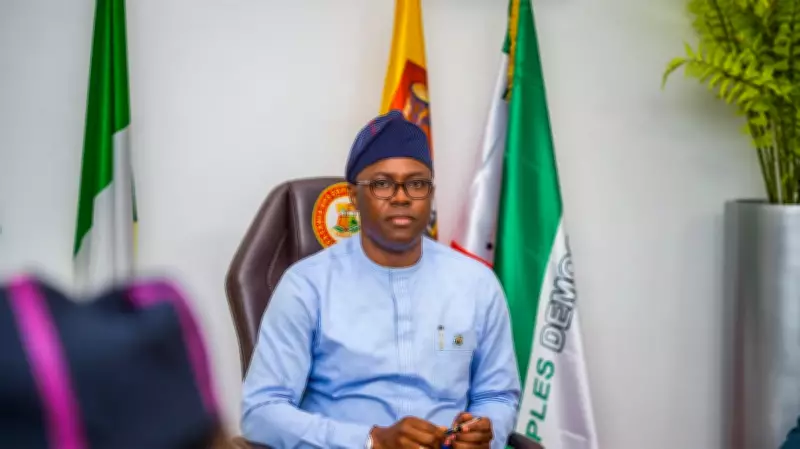
In his newsletter titled 'The business of governance,' Governor Seyi Makinde, a member of the Peoples Democratic Party (PDP), expressed deep apprehension about Nigeria's political trajectory. He noted that those opposing the shift toward a one-party system are facing threats, while opposition parties are being pushed to the brink of collapse.
"Nigeria has reached a point of silence, indifference, or withdrawal," Makinde stated. "This could take us in a direction we may later struggle to reverse."
The governor emphasized that recent developments within the PDP and ADC, coupled with actions by the Independent National Electoral Commission (INEC) and the judiciary, raise critical questions about democratic sustainability. "These are not just political issues; they concern anyone who believes in the future of democracy in our country," he added.
Makinde also addressed transition concerns in Oyo State, assuring that credible individuals are being engaged in a deliberate process. "I will communicate a decision in due course, one that reflects both the progress we have made and the future we must secure," he promised.
Momodu's Allegations Against Ruling Party
Speaking on Arise Television's 'Morning Show,' Dele Momodu accused the ruling All Progressives Congress (APC) of miscalculating opposition unity. He alleged that the APC assumed key figures like former Vice President Atiku Abubakar, Peter Obi, and Rabiu Kwankwaso would never collaborate, a position he labeled a major political misjudgment.
"The truth is, they first allowed the ADC to remain untouched, hoping that Obi, Atiku, and Kwankwaso would never come together. It was a miscalculation," Momodu asserted.
He further accused the APC of attempting to weaken opposition parties by fostering internal crises, citing the swift recognition of PDP factions as evidence. Momodu also expressed concerns about judicial influence in elections, alleging that some government officials are trying to control courts as part of a broader political strategy.
APC Chieftain Defends President Tinubu
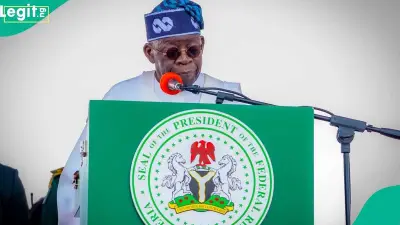
In response, Olatunbosun Oyintiloye, an APC chieftain in Osun State, defended President Bola Tinubu against accusations of destabilizing the ADC. Speaking to journalists in Osogbo, Oyintiloye described such claims as "disturbing" and insisted that Tinubu is a true democrat who does not need to undermine other parties for re-election in 2027.
"The embattled ADC leadership should be courageous enough to tell Nigerians the truth rather than hold Tinubu responsible for the party's challenges," he stated. "Tinubu is the President, not a court of law that directed the ADC to maintain the status quo pending the determination of a case at the Federal High Court, instituted by one of its members."
Broader Implications for Nigerian Democracy
The warnings from Makinde and Momodu underscore growing anxieties about Nigeria's political landscape. Key concerns include:
- The perceived erosion of multiparty democracy through threats and marginalization of opposition voices.
- Alleged manipulation of electoral institutions like INEC and the judiciary to favor ruling party interests.
- The strategic miscalculation by the APC regarding opposition unity ahead of future elections.
- The need for transparent governance and adherence to democratic principles to prevent a one-party state scenario.
As Nigeria approaches critical election cycles, these debates highlight the urgent need for robust democratic safeguards and inclusive political processes to ensure the nation's stability and progress.