Oyo State at 50: Governor Makinde's Leadership Under Historic Examination
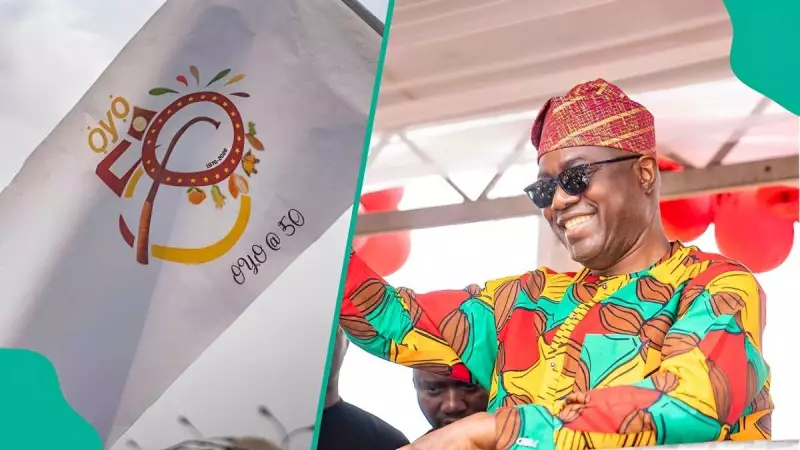
As Oyo State approaches its 50th anniversary on February 3, 2026, a profound moment of reflection settles over the historic region. This golden jubilee represents more than mere celebration—it serves as a critical mirror for evaluating leadership, legacy, and future direction. Governor Seyi Makinde finds himself at the center of this historic scrutiny, his administration weighed against both the state's illustrious past and uncertain political future.
The Weight of History and Modern Governance
Oyo State carries a heritage that predates modern Nigeria itself. The ancient Oyo Empire, documented by scholars like Samuel Johnson and Robin Law, established sophisticated governance systems that commanded respect across West Africa. This historical consciousness creates a unique backdrop for contemporary leadership evaluation. As the state commemorates five decades since its creation by General Murtala Mohammed's military government, the celebrations themed "Consolidating the Legacy, Navigating the Present, and Reimagining the Future" force necessary reckoning with progress and shortcomings.
Governor Makinde, speaking at the anniversary opening at the University of Ibadan's International Conference Centre, described this moment as one of reflection, responsibility, and renewal. His acknowledgment that his personal journey has been shaped by Oyo State over these five decades carries symbolic weight. The planned gala night at Government House Agodi, where all 17 former governors will be honored, serves as a poignant reminder that political power eventually yields to historical memory.
Political Crossroads and PDP Decline
Governor Makinde's recent public statements reveal a leader navigating significant political uncertainty. His unusually blunt criticism of federal policies and lamentation about shrinking space to "speak truth to power" suggest a politician sensing changing political seasons. This candor emerges against the backdrop of the Peoples Democratic Party's declining fortunes nationally, creating complex challenges for Makinde's political future.
While murmurs about presidential ambitions circulate, political realism suggests such aspirations face substantial obstacles from within a weakened party structure. The movement of politicians toward the ruling All Progressives Congress, exemplified by developments in Kano State, illustrates the survival instincts dominating Nigerian politics. Makinde's urgency in recent communications reflects this understanding that political relevance requires strategic navigation of shifting alliances.
Governance Record Amid Political Uncertainty
Despite political challenges, Governor Makinde's administrative record in Oyo State remains noteworthy. His attention to civil service welfare, pension management, and structured job recruitment has earned recognition from various stakeholders. In a national context where governance often disappoints, Makinde's consistent salary payments and deliberate empowerment programs stand out as significant achievements.
The governor's recent visit to President Bola Tinubu and subsequent sharper public commentary suggest a leader balancing political pragmatism with principled positions. This delicate navigation occurs even as his administration addresses a ₦30 billion scandal testing its resilience. Makinde's presentation of a vision for Oyo's next five decades—emphasizing enduring infrastructure, quality education, and strong institutions—demonstrates continued commitment despite political headwinds.
Legacy Considerations at a Historic Juncture
Oyo State's golden jubilee arrives at a critical moment for evaluating what endures beyond political cycles. The state's historical significance, from the University of Ibadan's intellectual contributions to Ibadan's development as a center of journalism and activism, creates high expectations for contemporary leadership. Governor Makinde's stewardship during this anniversary year carries symbolic importance, representing both continuity with past achievements and responsibility for future direction.
As celebrations culminate, the fundamental questions remain: Will this anniversary mark a high point or turning point in Oyo's development? How will current leadership decisions shape the state's next chapter? These considerations extend beyond partisan politics to encompass broader questions about institutional strength, economic development, and social progress. The answers will determine not only how Governor Makinde is remembered but also how boldly Oyo State claims its future.
Ultimately, Oyo at 50 represents more than chronological milestone—it serves as a test of leadership depth, historical consciousness, and visionary governance. The scrutiny Governor Makinde faces reflects both the weight of history and the urgency of contemporary challenges, creating a defining moment for one of Nigeria's most historically significant states.