Integration of Tinubu’s Renewed Hope Agenda with National Development Plan Will Improve Living Standards – Ikpesu
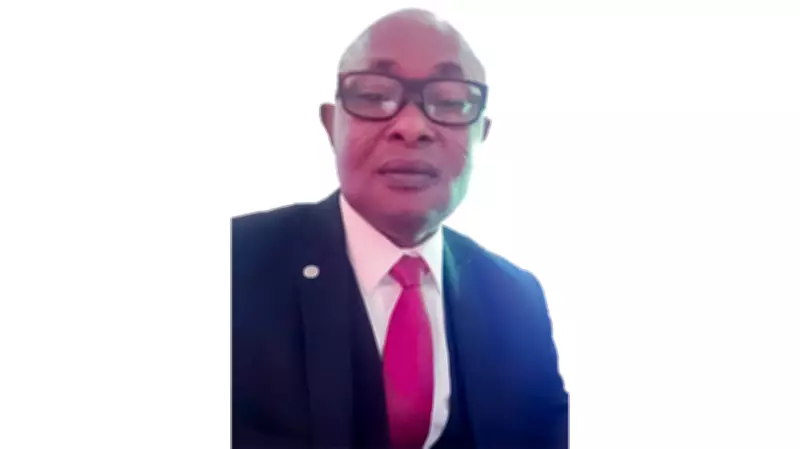
In a comprehensive interview, Prof. Jasper Ikpesu, an author and public affairs commentator, as well as the Head of Health Safety and Environment and General Services Department at the Petroleum Training Institute in Effurun, Delta State, shared insights on various national issues. He emphasized that the integration of President Bola Tinubu's Renewed Hope Agenda with the National Development Plan is poised to significantly enhance living standards for Nigerians.
Addressing Insecurity and Its Economic Impact
Prof. Ikpesu highlighted the severe effects of insurgency, particularly Boko Haram, on Nigeria's economy. He noted that agriculture in the North East and North West regions has suffered a 30 to 40 per cent decline in production due to insecurity, displacement, and restricted access to fields. This has led to trade disruptions and widespread poverty.
Additionally, about 40 to 50 per cent of schools in affected areas are closed or destroyed, contributing to unemployment. Critical infrastructure has seen a 20 to 30 per cent destruction, hindering economic development. Banditry and farmer-herder conflicts have reduced livestock populations by 20 to 30 per cent.
Overall, insecurity contributes to around 21 per cent of multidimensional poverty, with over $10 billion in economic losses and more than 300,000 people displaced. To combat this, Ikpesu suggested a multi-faceted approach:
- Addressing poverty and unemployment: Tackling underlying causes to reduce Boko Haram's appeal.
- Strengthening security: Providing advanced weaponry and bolstering efforts.
- Promoting education: Boosting school enrollment to counter extremist ideologies.
- Fostering national cohesion: Encouraging unity and addressing socio-economic inequalities.
Analysis of New Tax Laws
Prof. Ikpesu discussed the new tax laws, noting their potential benefits. The World Bank projects Nigeria's GDP growth to reach 4.4 per cent in 2026 and 2027, with the tax-to-GDP ratio expected to increase from 9.5 per cent to 12.5 per cent by 2027. Key changes include a unified tax framework, a tax-free threshold for individuals earning ₦800,000 or less annually, and progressive tax rates from 15 to 25 per cent.
VAT reforms maintain a 7.5 per cent rate with exemptions for essential goods, and digital taxation requires non-resident suppliers to remit VAT. Incentives like tax holidays for agricultural businesses aim to stimulate growth. However, concerns remain about implementation and impact on low-income earners, suggesting possible refinements.
Economic Reforms and Renewed Hope Agenda
Critics have questioned the impact of President Tinubu's economic reforms, but Ikpesu pointed out that the Renewed Hope Agenda, integrated with the National Development Plan, is set to drive significant change. The plan aims for a $1 trillion economy by 2030, focusing on:
- Economic diversification: Shifting from oil to manufacturing, technology, and agriculture.
- Job creation: Accelerating opportunities and improving human capital.
- Food security: Enhancing agricultural output and social protection.
- Infrastructure development: Expanding sustainable projects.
- Governance: Strengthening transparency and accountability.
Despite potential drawbacks like high inflation and unemployment, Ikpesu believes these reforms will improve living standards over time.
Impact of Iran War and Revenue Management
The ongoing war in Iran could boost Nigeria's oil revenue, with higher prices potentially strengthening fiscal balances. Prof. Ikpesu advised the Federal Government to use these funds strategically:
- Infrastructure development: Investing in roads, bridges, and power generation.
- Economic diversification: Allocating funds to agriculture, manufacturing, and technology.
- Social welfare programmes: Alleviating poverty for vulnerable populations.
- Debt reduction: Freeing up resources for productive uses.
- Human capital investment: Prioritizing education, healthcare, and skills development.
To mitigate rising petroleum costs, he suggested increasing local refining capacity, diversifying energy sources, and implementing targeted price controls.
Addressing Brain Drain and Electoral Preparedness
On the 'Japa' syndrome, Ikpesu recommended improving working conditions, investing in education, fostering innovation, and tackling insecurity and corruption to retain professionals. For the 2027 elections, he advised INEC to focus on voter education, reliable electoral technology, stakeholder engagement, and conflict prevention mechanisms.
State Police and Democratic Health
Regarding the committee on state police, Ikpesu emphasized reviewing existing models, assessing community needs, proposing operational frameworks, and ensuring accountability. On defections to the APC, he expressed concerns about weakening opposition and fostering a dominant-party system, advocating for constitutional amendments to curb such trends.
Executive Order 9 and National Challenges
Prof. Ikpesu discussed Executive Order 9, which directs oil revenues to the Consolidated Fund, noting debates over its conflict with the Petroleum Industry Act. While critics see it as overstepping, supporters view it as ensuring transparency. He identified insecurity as Nigeria's biggest challenge, urging the government to prioritize it for economic growth and stability.