Emir Sanusi II Speaks on Traditional Leadership and Governance in Nigeria
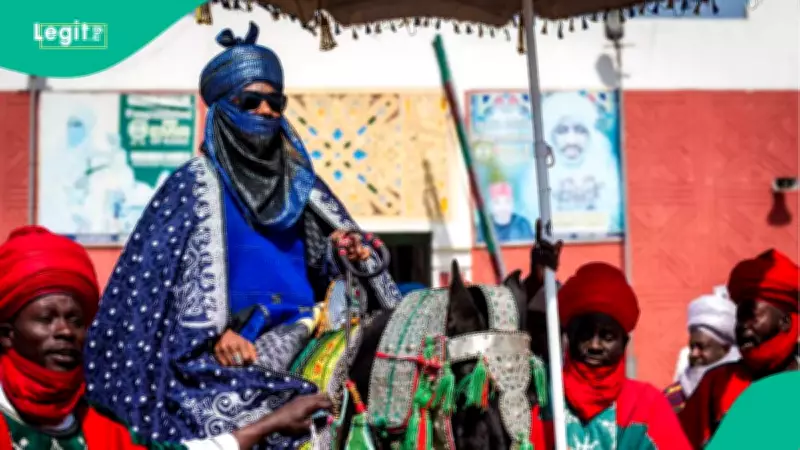
Muhammadu Sanusi II, the Emir of Kano and former Governor of the Central Bank of Nigeria, has made a powerful statement regarding the role of traditional institutions in the nation's governance and unity. During a recent interview on Channels Television, the prominent traditional ruler emphasized that his authority to advise political leaders stems from his position as a leader of the people, not from constitutional provisions.
Traditional Authority Beyond Constitutional Mandate
Sanusi declared that he does not require constitutional power to speak truth to those in authority. "I don't need the Constitution to tell the governor that I think this is what we should be doing," he stated emphatically. "I get that authority from being a leader of the people." This assertion highlights the unique position traditional rulers occupy in Nigerian society, where they serve as bridges between the government and the populace.
The Emir explained that he doesn't need to visit the president personally to convey concerns about national issues. His role as a traditional leader provides him with the platform and legitimacy to offer counsel on matters affecting the country, regardless of formal political structures.
Call for Enhanced Women's Political Participation
During the same interview, Sanusi addressed the importance of inclusive political participation, specifically advocating for greater representation of women in Nigeria's political landscape. He argued that increasing women's involvement in governance would significantly strengthen nation-building efforts and bring diverse perspectives to the decision-making process.
This call for gender inclusivity reflects growing recognition of the vital contributions women can make to Nigeria's development and political stability. Sanusi's position aligns with broader movements across Africa seeking to break down barriers to women's political participation.
Reiterated Stance on Capital Punishment for Murderers
The Emir's recent statements come nearly two weeks after he urged Kano State Governor Abba Kabir Yusuf to sign death warrants for convicted murderers. Sanusi made this appeal following the brutal killing of Fatima Abubakar and her six children in Kano State, an incident that has traumatized the community and raised serious security concerns.
Sanusi argued that enforcing capital punishment would serve as a deterrent to future crimes and represents society's failure when justice is not properly administered. He maintained that those who commit murder should not receive pity or pardon, as they showed no mercy to their victims.
The traditional ruler called for the fast-tracking of trials for suspects arrested in connection with the family's murder, emphasizing that the governor should not delay authorizing executions once convictions are secured. This tragic incident has shattered the area's longstanding reputation for peace and community cohesion, leaving residents in disbelief and searching for answers.
The Broader Context of Traditional Leadership
Sanusi's comments occur within a complex political landscape where traditional institutions continue to wield significant influence despite Nigeria's modern democratic structures. His visit to the family of late President Muhammadu Buhari in August sparked discussions among Nigerians about the role and recognition of traditional rulers in contemporary governance.
Some social media users have questioned the status of the Kano emirship, particularly regarding the positions of Sanusi and embattled Aminu Ado-Bayero. These discussions highlight the ongoing relevance of traditional institutions in Nigeria's socio-political fabric and the delicate balance between modern governance structures and centuries-old traditional systems.
As Nigeria continues to navigate its development path, the insights from traditional leaders like Emir Sanusi II provide important perspectives on governance, justice, and national unity. His advocacy for women's political participation and firm stance on criminal justice reflect broader societal conversations about Nigeria's future direction and the roles various institutions should play in shaping that future.