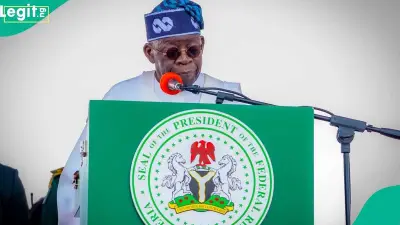
President Tinubu Reshuffles Cabinet, Sacks Finance Minister Wale Edun
President Bola Tinubu has executed a significant cabinet reshuffle, removing two key ministers from their positions in a strategic move designed to enhance governance effectiveness and operational cohesion within his administration. The Presidency has officially confirmed the dismissal of Wale Edun, who served as the Minister of Finance and Coordinating Minister of the Economy, alongside Umar Dangiwa, the Minister of Housing and Urban Development.
Official Rationale Behind the Cabinet Changes
According to a statement released by the Secretary to the Government of the Federation, George Akume, President Tinubu's decision is firmly rooted in the constitutional authority granted to him under Sections 147 and 148 of the Constitution of the Federal Republic of Nigeria, as amended in 1999. Akume emphasized that the primary objective of this reshuffle is to fortify the synergy and cohesion within the government's executive branch.
The overarching goal is to achieve more impactful and efficient delivery of economic policies and programs to the Nigerian populace, aligning directly with the administration's flagship Renewed Hope Agenda. This agenda, which Tinubu campaigned on, focuses on revitalizing the nation's economy, improving infrastructure, and enhancing the quality of life for citizens.
Immediate Appointments and Transition Process
Following the removal of Wale Edun, Mr. Taiwo Oyedele has been appointed as the new Minister of Finance and Coordinating Minister of the Economy. Oyedele brings prior experience to the role, having previously served as the Minister of State for Finance, which positions him to hit the ground running in this critical economic portfolio.
In the Housing and Urban Development Ministry, Mr. Muttaqha Rabe Darma, who holds a PhD, has been nominated as the minister designate. Until Darma formally assumes office, the outgoing minister, Umar Dangiwa, has been instructed to hand over all responsibilities and ongoing projects to the Minister of State within the same ministry.
The Presidency has issued a clear directive regarding the transition timeline, mandating that all handing over and taking over processes must be completed on or before the close of business on Thursday, April 23, 2026. This tight deadline underscores the administration's urgency in ensuring a seamless transfer of duties to maintain governmental continuity and momentum.
Broader Implications for Governance and Policy
This cabinet reshuffle signals President Tinubu's proactive approach to refining his team to better tackle Nigeria's pressing economic challenges, including inflation, unemployment, and fiscal management. By replacing key figures, Tinubu aims to inject fresh perspectives and renewed vigor into the implementation of his economic strategies.
The removal of a high-profile minister like Wale Edun, who was central to economic coordination, highlights the President's commitment to holding his cabinet accountable for performance and alignment with the Renewed Hope Agenda's objectives. It also reflects a strategic recalibration intended to optimize ministerial effectiveness and inter-departmental collaboration.
As the new appointees prepare to take charge, all eyes will be on how these changes influence policy direction, economic reforms, and the overall governance landscape in Nigeria moving forward.