Political Flashback: When President Tinubu Survived Deadly 1999 Assassination Attempt
Nigeria's current president, Bola Ahmed Tinubu, experienced a harrowing brush with death during his early political career that remains a significant chapter in the nation's political history. The incident, which occurred shortly after he assumed office as governor of Lagos State, resulted in the tragic loss of four lives while Tinubu emerged physically unscathed.
The Fateful December Attack
On Sunday, December 12, 1999, then-Governor Bola Tinubu was returning home from inspecting waste collection operations and security arrangements across Lagos State when his convoy came under sudden and violent attack. According to Tinubu's own account, assailants opened fire on his motorcade in what appeared to be a coordinated assassination attempt. While the future president escaped injury, four individuals accompanying him were killed in the brutal assault.
Then-police commissioner Mike Okiro quickly attributed responsibility for the attack to the Oodua People's Congress (OPC), a Yoruba nationalist organization that had been involved in violent clashes throughout late 1999. These conflicts reportedly claimed approximately 100 lives according to AFP reports from that period. Following the investigation, police authorities arrested two individuals in connection with the assassination attempt on the Lagos governor.
Security Implications and Political Aftermath
The traumatic experience had profound implications for Tinubu's approach to governance and security. Speaking to The Guardian newspaper after the incident, the Chicago State University alumnus argued that Lagos required at least 20,000 additional police officers to adequately protect the lives and property of its approximately eight million residents at that time. This security-focused perspective would later become a hallmark of his political philosophy.
The assassination attempt occurred during a turbulent period in Nigeria's democratic transition, coming just months after the country returned to civilian rule following decades of military dictatorship. Tinubu himself had previously been forced into exile by the regime of late military ruler Sani Abacha due to his involvement with the pro-democracy National Democratic Coalition (NADECO). The mysterious death of Abacha in 1998 and the opposition activities of groups like NADECO were widely credited with paving the way for Nigeria's return to democracy in 1999.
From Near-Death to Presidential Power
Nearly a quarter century after surviving the assassination attempt, Bola Tinubu achieved what many considered his lifelong political ambition. In May 2023, he was sworn in as Nigeria's 16th president following a highly competitive election victory. Tinubu secured approximately 8.8 million votes, representing about 36.6% of the total according to the Independent National Electoral Commission (INEC), defeating heavyweight opponents including Atiku Abubakar, Peter Obi, and Rabiu Musa Kwankwaso.
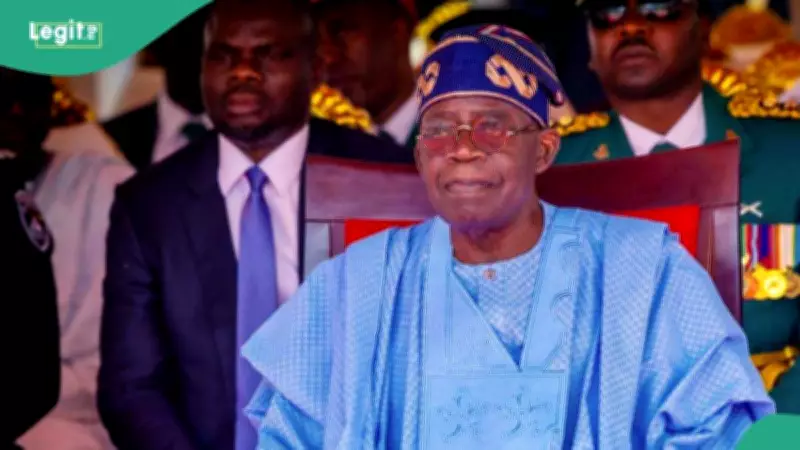
Widely credited with transforming Nigeria's commercial capital during his tenure as Lagos governor, Tinubu overcame a divided opposition and a youth-backed third-party challenge to secure the presidency. His signature hat featuring a broken shackle design, symbolizing freedom from oppression, has become an iconic representation of his political journey from exile to executive office.
Looking Toward 2027 Reelection Bid
Three years into his presidential term, Nigeria's ruling All Progressives Congress (APC) has already endorsed Tinubu for reelection in 2027. Nigerian presidents are constitutionally limited to two four-year terms, and APC members have framed the early endorsement as crucial for power consolidation, democratic strengthening, and boosting public confidence in government institutions.
Popularly called 'Jagaban' or 'leader of warriors' by supporters—a title bestowed by the Emir of Borgu in Niger State—Tinubu is widely regarded as one of Nigeria's most influential political figures. His economic reforms have received praise from international credit rating agencies, foreign investors, and the International Monetary Fund, though critics argue these policies have contributed to one of the worst cost-of-living crises in recent memory.
The 1999 assassination attempt remains a defining moment in President Tinubu's political narrative, illustrating both the dangers of Nigerian politics and the resilience that has characterized his journey from Lagos governor to national leader. As he prepares for a potential second term, this historical episode continues to inform discussions about security, political violence, and leadership in Africa's most populous nation.