Tinubu's Airport Meeting with Plateau Victims Explained: Logistical Challenges Cited
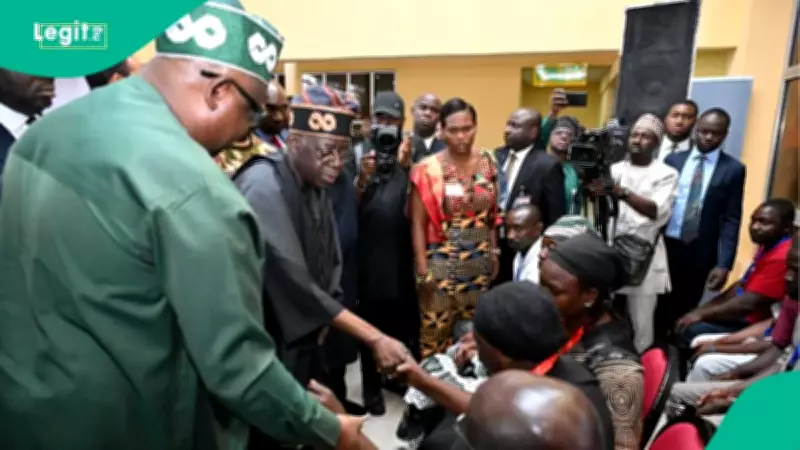
President Bola Tinubu's decision to meet victims of Plateau state attacks at a hall near Jos airport on Thursday, April 2, has been officially explained by the Statehouse, addressing questions raised by concerned residents and Nigerians nationwide.
Logistical and Scheduling Constraints
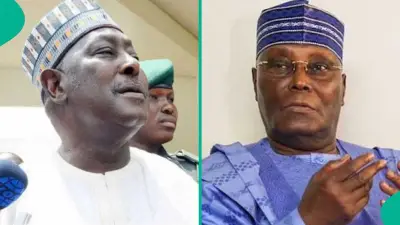
According to a presidential press release shared on Friday, April 3, logistical and scheduling challenges made it impossible for President Tinubu to meet the victims within Jos township proper. The statement, signed by Bayo Onanuga, Special Adviser to the President on Information and Strategy, detailed that Tinubu had earlier hosted Chadian President Mahamat Idriss Déby Itno in Abuja for a crucial bilateral meeting focused on security cooperation between the two nations.
"The meeting with the Chadian leader ran longer than anticipated, directly affecting President Tinubu's scheduled departure time for Jos," Onanuga explained. "President Tinubu's itinerary for Thursday included two primary engagements: receiving President Déby Itno and proceeding to Iperu in Ogun State. Following a briefing from Plateau State Governor Caleb Mutfwang, the President suspended his trip to Ogun State."
Overnight Arrangements and Airport Limitations
The Presidential Villa made overnight arrangements for the visit to Jos, with presidential assets quickly deployed. However, the President could not postpone the scheduled visit by the Chadian leader, whose discussions centered on strengthening security collaboration. Upon arrival in Jos, additional logistical challenges emerged.
"The Jos runway does not support night flights, making travel into the township center both risky and time-consuming," Onanuga stated. "To ensure a timely engagement with the victims, state and federal officials brought representatives of affected communities to a hall adjoining the airport."
High-Level Security Presence and Strategic Engagement
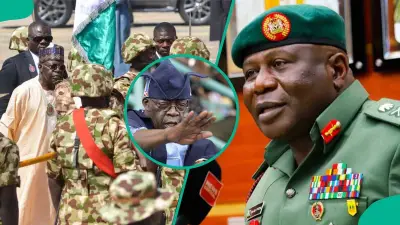
The meeting was attended by high-level security officials, including the Minister of Defence, the Chief of Army Staff, and the Inspector General of Police, who had previously visited Rukuba, the epicenter of the attacks. President Tinubu used the opportunity to console victims, hear their concerns directly, and engage with local community leaders.
During the meeting, Tinubu assured the deployment of 5,000 AI-enabled cameras to enhance security measures in the region and invited community leaders to Abuja for further discussions aimed at ending the recurring violence in Plateau State.
Symbolic Versus Strategic Visit
"The President's visit was not merely symbolic," the statement emphasized. "It was a strategic, high-level engagement aimed at building sustainable peace with the people, not imposing it on them. President Tinubu achieved the purpose of his visit, despite attempts by naysayers to ridicule it. He delivered an unmistakable message: sustainable peace must be constructed collaboratively with the people."
The explanation comes amid ongoing security challenges in Plateau State, with the federal government seeking to demonstrate commitment to addressing communal conflicts and improving safety through both immediate measures and long-term strategic dialogues.