Tinubu's Federalism Agenda: A Critical Juncture for Northern Nigeria
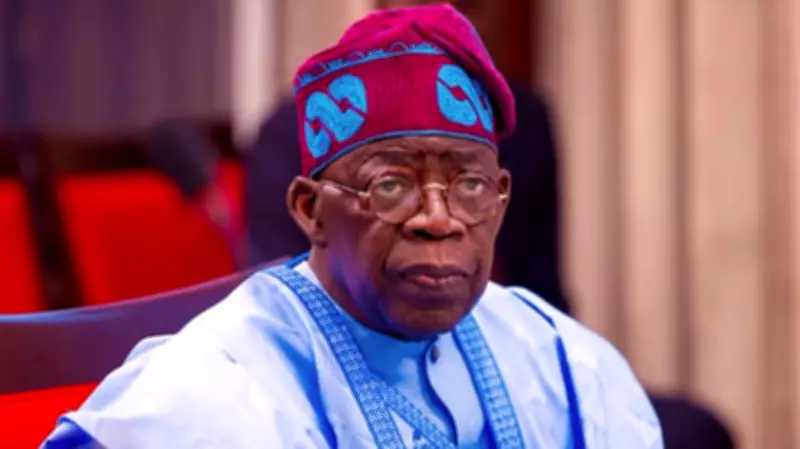
In a pivotal moment for Nigeria's political landscape, President Bola Tinubu is strategically implementing federalism principles, signaling a transformative shift that demands immediate attention from northern elites. This development comes as the region grapples with escalating insecurity, economic stagnation, and governance failures, raising urgent questions about its future trajectory.
The Historical Context and Current Imperatives
Federalism, once the cornerstone of regional development before the 1966 military coup, is re-emerging as a central theme under Tinubu's leadership. As the 2027 elections approach, this renewed focus on federalism presents both a challenge and an opportunity for northern leaders to recalibrate their strategies. Historically, the north has relied heavily on federal appointments, often at the expense of strengthening state and local governance structures. This dependency has left bureaucracies weakened and communities vulnerable, exacerbating issues like poverty and social unrest.
The iconic Obafemi Awolowo long warned that without consensus on mass education, the north would struggle to develop within Nigeria's complex federation. Today, this prophecy resonates deeply as the region trails in key development indices, including the highest number of out-of-school children and multidimensional poverty rates. Tinubu's federalism push, dubbed "renewed-hope federalism," aims to decentralize power, potentially allowing regions to reclaim autonomy for development. However, northern elites must act swiftly to engage with this agenda, lest they be left behind in a rapidly evolving political environment.
Security Crisis and Governance Failures
Insecurity has reached alarming levels across northern Nigeria, with banditry, kidnappings, and communal conflicts becoming daily realities. During the recent Easter celebrations, states like Plateau, Kaduna, Benue, Katsina, Kebbi, and Niger witnessed brutal attacks resulting in numerous deaths and abductions. Despite this, the Northern States Security Trust Fund, proposed in December 2025 to pool resources for coordinated security efforts, remains unimplemented after five months. This procrastination highlights a broader pattern of inaction among northern leaders, who continue to prioritize federal politics over regional welfare.
The United States' recent advisories declaring over 20 states unsafe and the closure of its Abuja embassy underscore the severity of the security situation. Yet, many northern governors seem more focused on defecting to the ruling party for political survival than addressing these crises. This disconnect between leadership and populace has created a vacuum where armed groups operate with impunity, displacing communities and normalizing violence. The lack of tangible outcomes from elite meetings in Kaduna further illustrates the need for a paradigm shift in governance approaches.
Call to Action: Leveraging Intellectual and Economic Resources
Northern Nigeria boasts a wealth of intellectual and economic assets that remain underutilized. Figures like Malam Bukar Zarma, Professor Mahmud Jega, and Professor Suleman Bogoro, along with strategic thinkers such as Malam Kabiru Yusuf and Abdullahi Ganduje, possess the expertise to drive regional development plans. Even controversial leaders like Nasir el-Rufai, known for his development planning skills, could contribute if supported by northern elites. Additionally, engaging global influencers like Aliko Dangote, whose refinery project represents significant investment potential, is crucial for economic revitalization.
The region must also address systemic issues in education and agriculture. Despite having ministers overseeing these sectors, northern Nigeria continues to lag in literacy and food security. Comparative studies with Muslim-dominated Middle Eastern countries, which achieve near 100% literacy, could provide valuable insights for reform. By freezing unproductive meetings and redesigning development agendas with input from diaspora intellectuals, northern leaders can create actionable plans that prioritize regional prosperity over political patronage.
Conclusion: A Final Warning for Northern Elites
As Tinubu's federalism agenda gains momentum, northern elites face a critical choice: continue complacent reliance on Abuja or seize the opportunity to rebuild their region. The "Hurricane Emilokan"—a metaphor for Tinubu's political strategy—threatens to leave them unprepared if they fail to adapt. By focusing on grassroots governance, security coordination, and economic empowerment, they can transform federalism from a perceived threat into a tool for renewal. Otherwise, they risk being overwhelmed by the very changes meant to empower them, perpetuating the cycle of poverty and instability that has long plagued northern Nigeria.