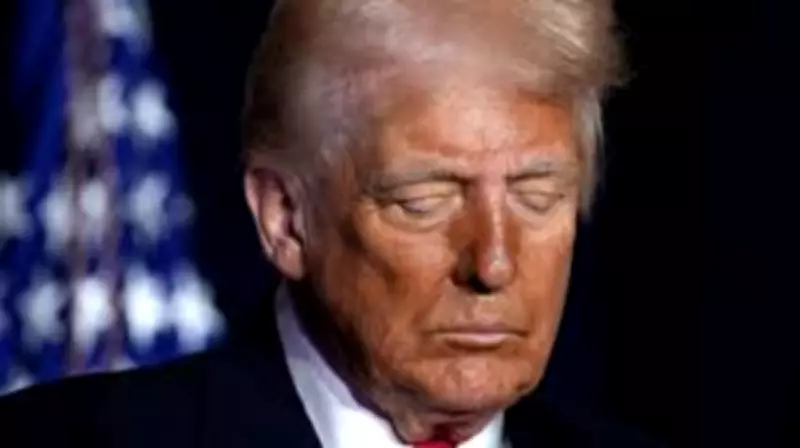
US President Donald Trump has issued a direct order to his administration officials to significantly enhance and elaborate on the details of his public daily schedule. This strategic move is specifically designed to push back against increasing media scrutiny and public questions regarding his physical stamina and energy levels as he nears his 80th birthday.
Addressing Perceptions of a Lighter Workload
In recent months, the official schedule released nightly to media outlets has featured numerous vague entries. These include signing ceremonies, policy discussions, and meetings with industry executives, many of which were conducted behind closed doors without detailed public disclosure. According to multiple sources with direct knowledge of the situation, these changes were not accidental but were deliberately implemented under Trump's personal instruction.
Despite maintaining a frequent schedule of public appearances, some lasting for several hours at a time, President Trump had become increasingly frustrated by media reports suggesting his daily workload had become lighter compared to his first term in office. Analyses of his official calendar had fueled widespread speculation about his health and endurance, a perception the president viewed as both unfair and misleading.
Revealing Previously Private Engagements
To directly counter these narratives, White House aides began systematically listing private meetings and engagements that traditionally would not have appeared on the public calendar. These now include closed-door discussions with Cabinet members, corporate executives, and outside visitors, along with detailed records of interviews and telephone calls conducted throughout the day.
Some schedule entries, such as "Policy Time" or "Signing Time" in the Oval Office, provide limited specifics but accurately reflect periods when President Trump personally reviews and signs official documents. The president insists on handling these tasks personally rather than utilizing an autopen, emphasizing his hands-on approach to governance.
Direct Presidential Directive
Multiple confidential sources confirmed that the directive to substantially bulk up the public schedule came directly from President Trump himself. The president has demonstrated long-standing sensitivity to any suggestions that he might be slowing down or reducing his workload due to age-related factors.
His frustration reportedly intensified following a late-2025 media report that argued his advancing age was affecting his presidential performance. That analysis noted a sharp decline in official public appearances compared to his first year in office, later start times for scheduled events, and fewer domestic trips outside Washington.
Demonstrating Continuous Engagement
President Trump wanted to ensure the public understood that even during periods when he wasn't appearing before cameras, he remained actively engaged in presidential duties throughout the day. In response to media questions about these scheduling changes, the White House released an entire week of his previously private schedule, revealing a packed agenda of telephone calls, meetings, and other engagements stretching from early morning into late evening hours.
Over that documented period, the president conducted dozens of meetings and calls involving foreign leaders, business executives, lawmakers, media figures, administration officials, and family members. While some days began later than others, most extended well past 7 p.m. according to internal calendar records reviewed by sources.
Historical Context of Work Ethic Emphasis
This represents not the first instance where President Trump has actively sought to shape public perceptions regarding his work ethic and dedication to presidential duties. Near the conclusion of his first term in office, daily guidance provided to the press included a line personally dictated by the president emphasizing that he worked consistently "from early in the morning until late in the evening."
The current scheduling enhancements continue this pattern of proactive image management, particularly as questions about presidential stamina and age-related capacity have become more prominent in political discourse. By providing unprecedented detail about previously private presidential activities, the administration aims to demonstrate that President Trump maintains a rigorous and comprehensive daily workload despite advancing age.