Foreign Minister Yusuf Tuggar Resigns to Pursue Bauchi Governorship Ambition
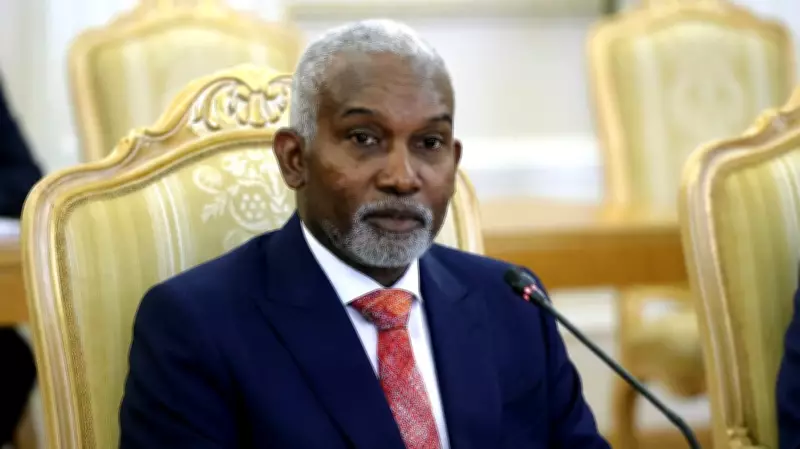
Nigeria's Minister of Foreign Affairs, Yusuf Tuggar, has formally resigned from his position to actively pursue his governorship ambition in Bauchi State ahead of the 2027 general elections. The resignation was confirmed on Monday by the spokesperson of the Ministry of Foreign Affairs, Kimiebi Ebienfa, who stated unequivocally, "The resignation of the Honourable Minister of Foreign Affairs is confirmed." This announcement puts to rest earlier speculation surrounding Tuggar's political future.
Compliance with Presidential Directive
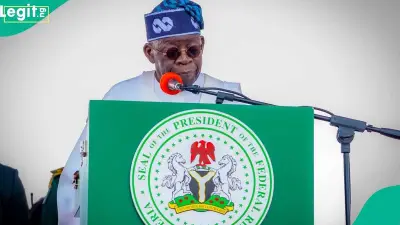
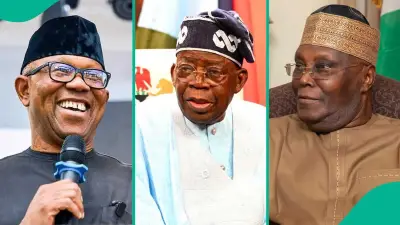
Tuggar's exit aligns with a directive issued by President Bola Ahmed Tinubu, which mandates all political appointees seeking elective office to step down on or before March 31, 2026. The directive, conveyed through the Office of the Secretary to the Government of the Federation, has initiated a wave of expected resignations within the federal cabinet, as appointees prepare for upcoming electoral contests.
Tenure and Challenges in Foreign Affairs
Appointed in August 2023, Tuggar succeeded Geoffrey Onyeama, who served under former President Muhammadu Buhari. His appointment was viewed as a strategic move by the Tinubu administration to reposition Nigeria's foreign policy through its "4Ds" agenda, focusing on Democracy, Development, Diaspora, and Demography. However, his tenure was marked by persistent challenges, particularly severe funding constraints that adversely affected Nigeria's diplomatic missions abroad.
Tuggar repeatedly raised concerns over inadequate budgetary provisions, warning that several embassies were struggling to meet basic operational needs, including the payment of staff salaries and maintenance of facilities. This funding crisis led to reports of deteriorating conditions in some Nigerian missions, with complaints of poor infrastructure and mounting debts in key diplomatic posts. Stakeholders criticized the situation, arguing that it undermined Nigeria's image and influence on the global stage.
Despite these setbacks, Tuggar maintained that the ministry was working diligently to stabilize operations while advancing the administration's foreign policy objectives. Efforts were also made to strengthen bilateral relations and attract foreign investment, though analysts noted that progress was uneven due to structural and financial limitations.
Political Background and Future Prospects
Before his ministerial appointment, Tuggar represented Gamawa Federal Constituency in the House of Representatives from 2007 to 2011 and later served as Nigeria's Ambassador to Germany from 2017 to 2023. His resignation occurs amid escalating political activity in preparation for the 2027 elections, with supporters in Bauchi State already indicating his intention to join the governorship race.
With Tuggar's departure, attention is expected to shift to the presidency regarding the appointment of a substantive replacement. This development also raises broader implications for Nigeria's foreign policy direction at a time of evolving global and regional dynamics, as the country navigates complex international relations and domestic political transitions.